Live IntelligenceFDA Advisory Votes • HPLC Purity Audits • Primary Regulatory Filings
Independent Scientific Journalism • 20 Active Investigative Briefings

Peptide Research Guides & Protocols

Evidence-based analyses of peptide biochemistry, FDA regulatory frameworks, HPLC testing standards, and laboratory quality controls.

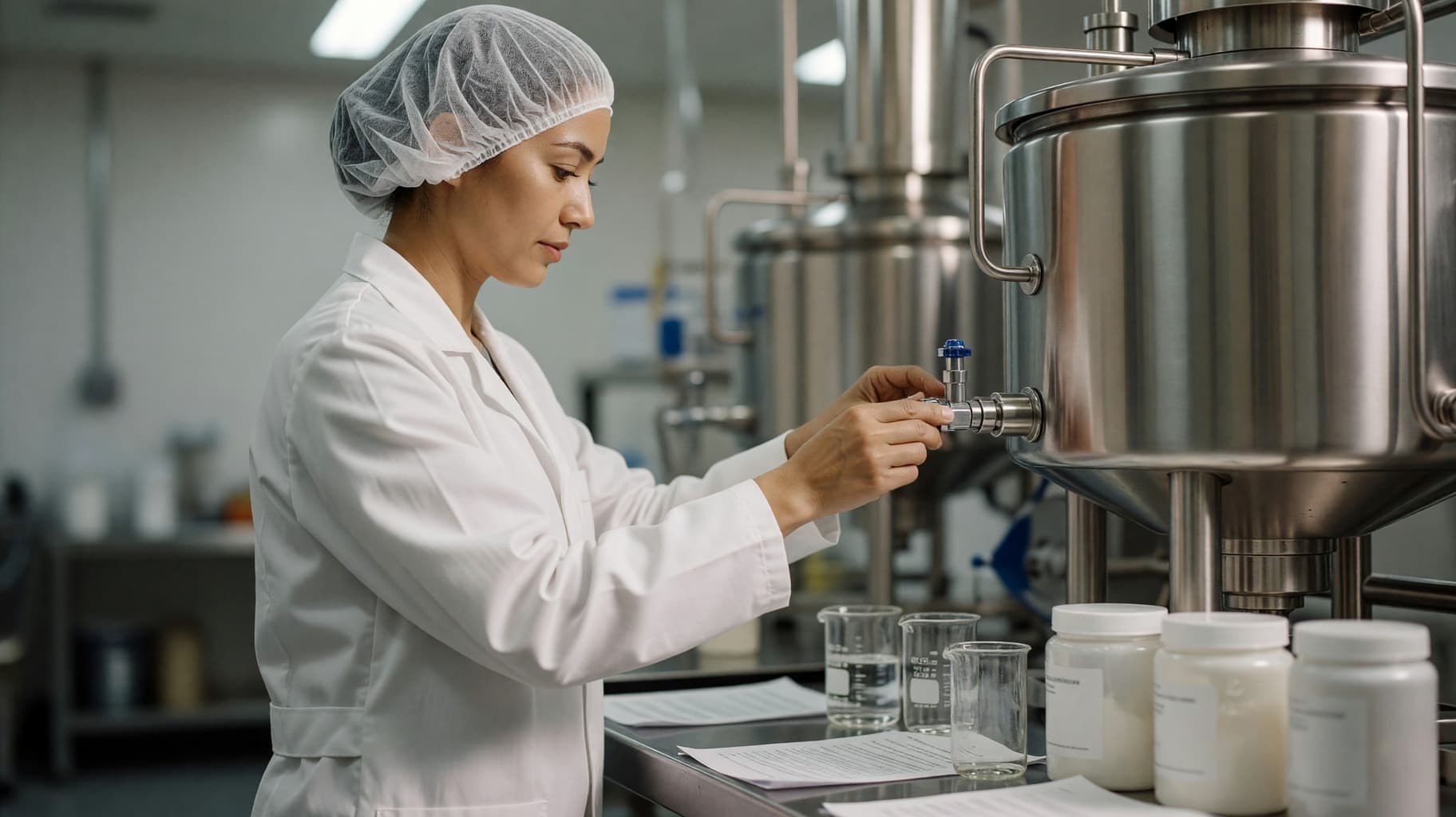
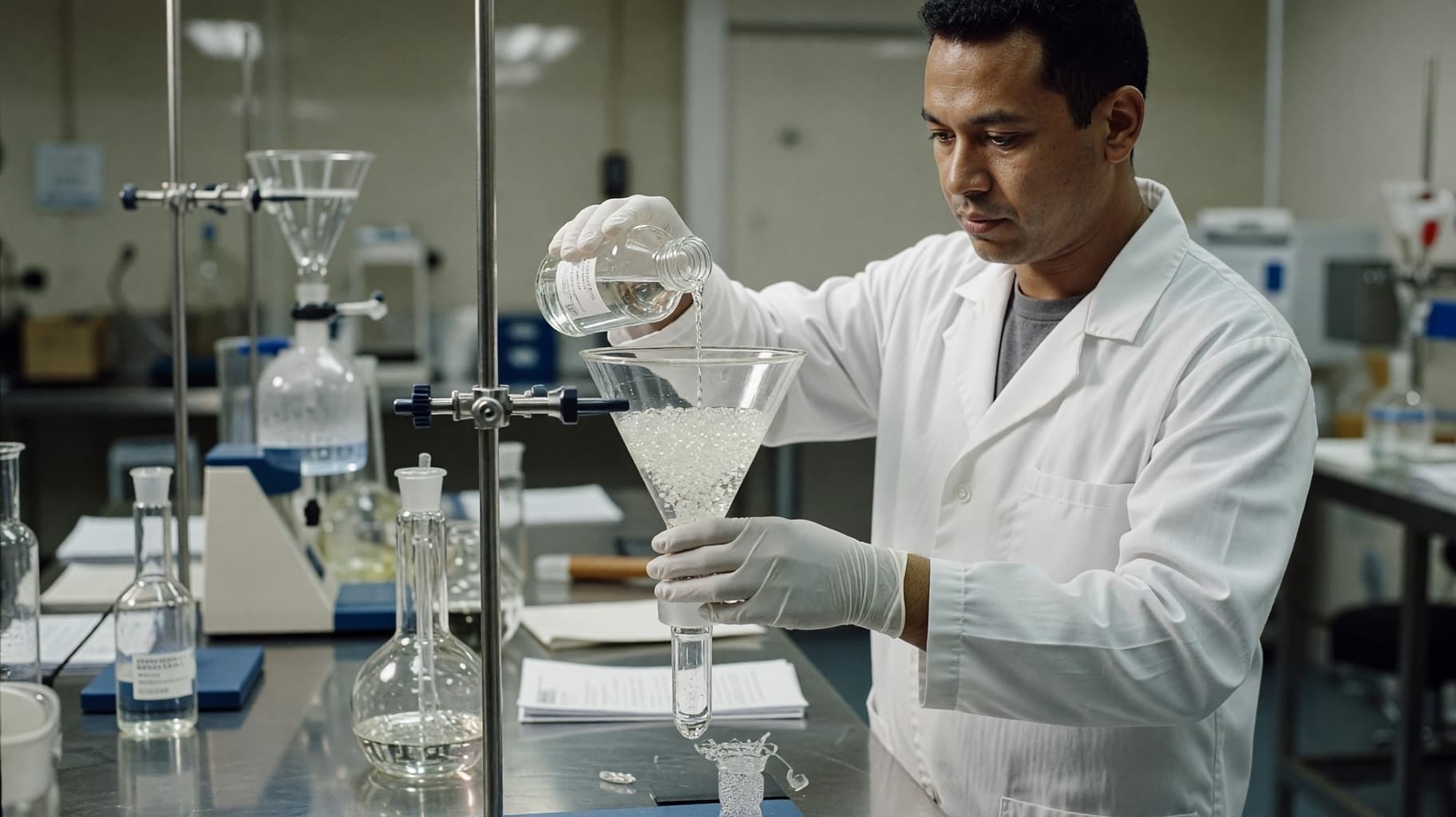
Custom Peptide Synthesis: Process and Quality Controls
synthesis-and-manufacturing

Custom Peptide Synthesis: Process and Quality Controls

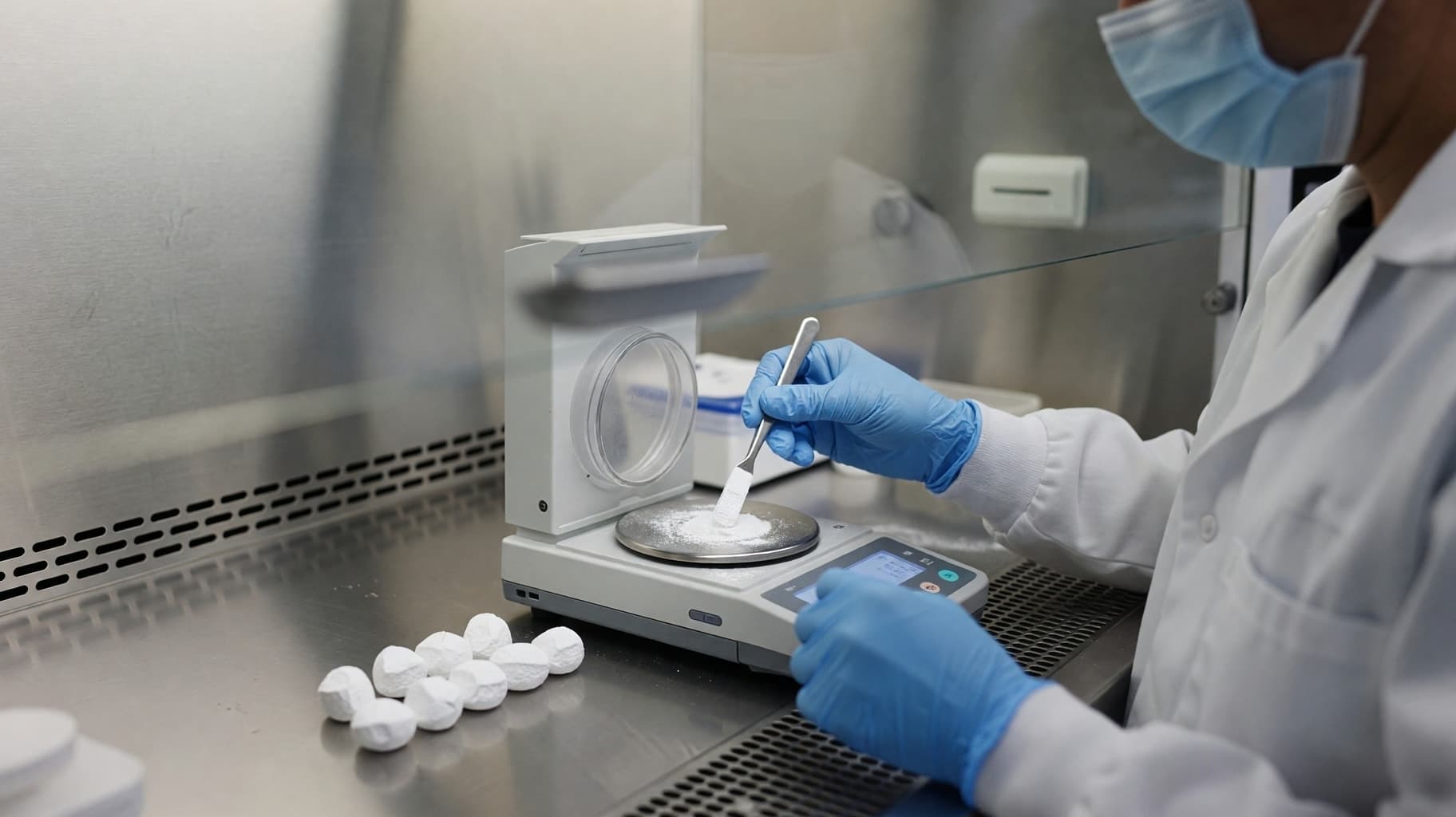
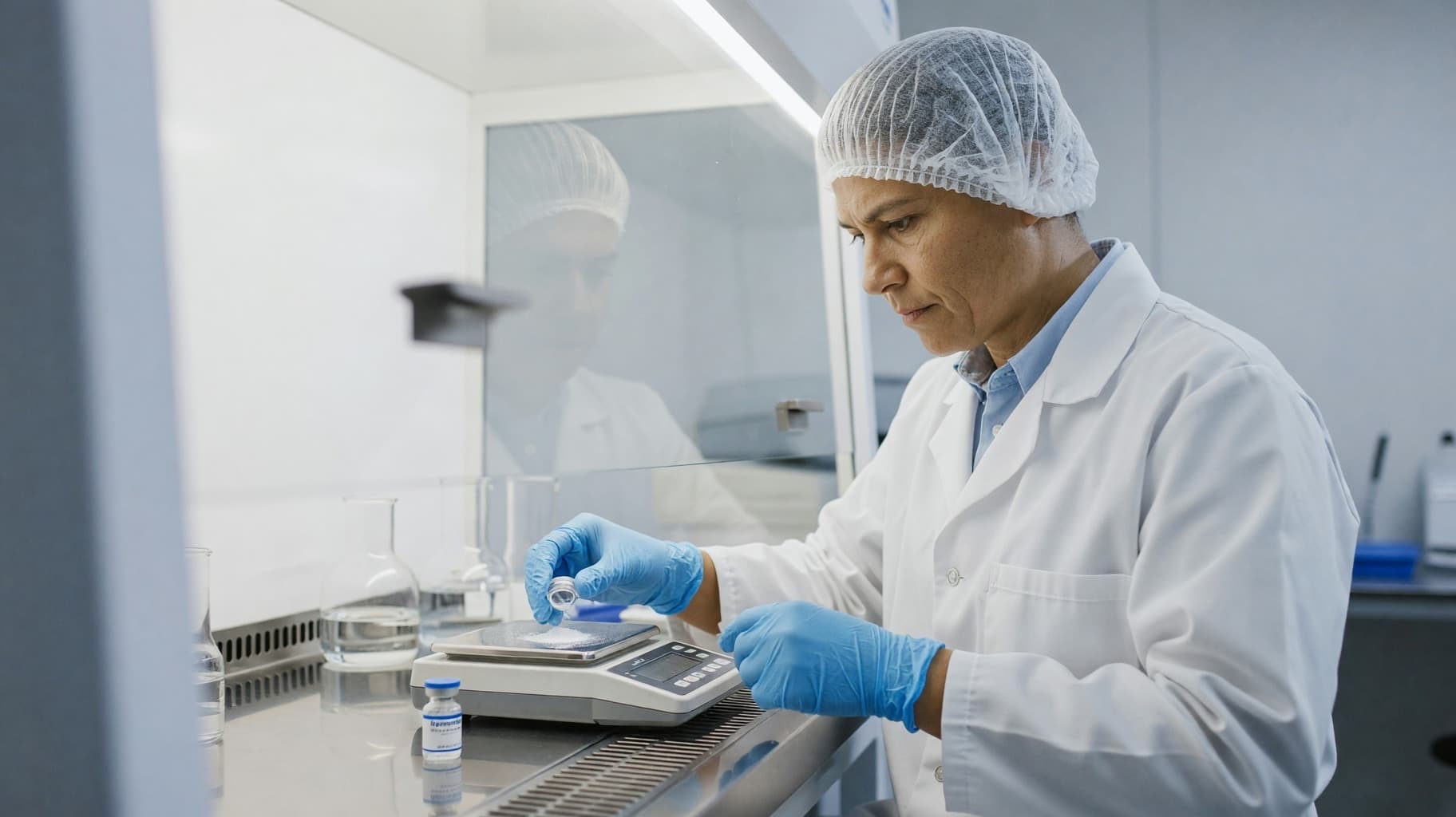
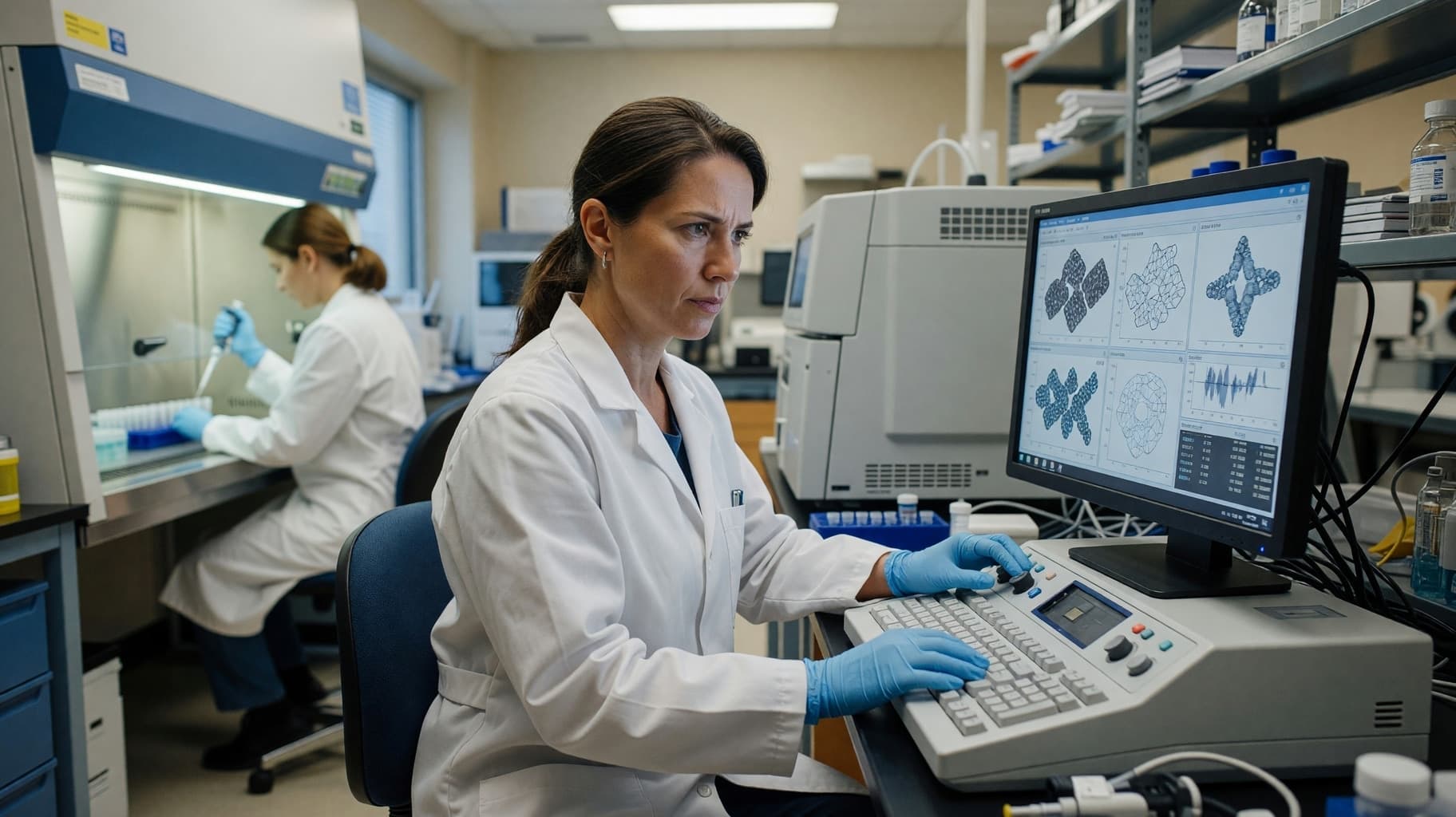
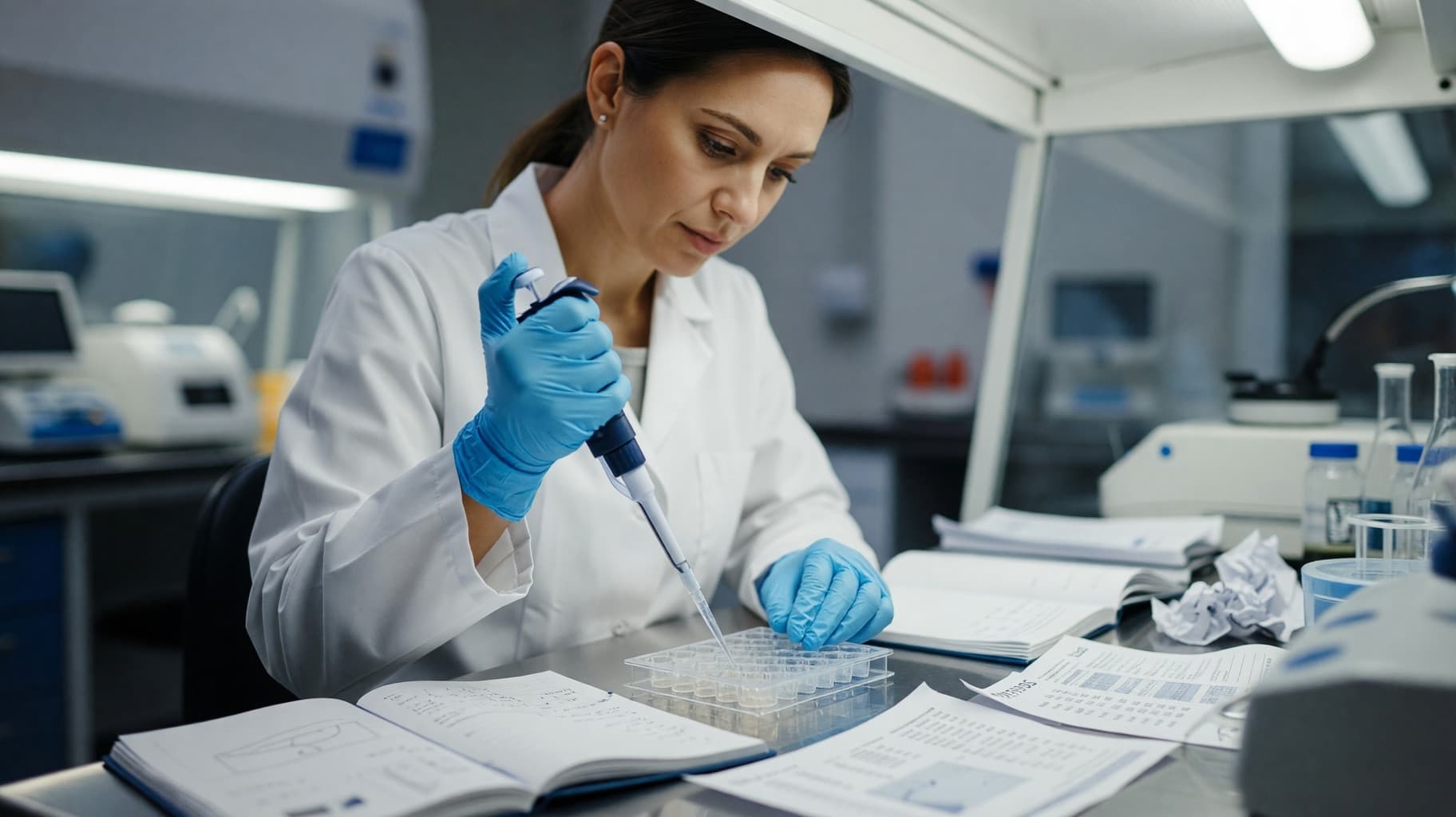
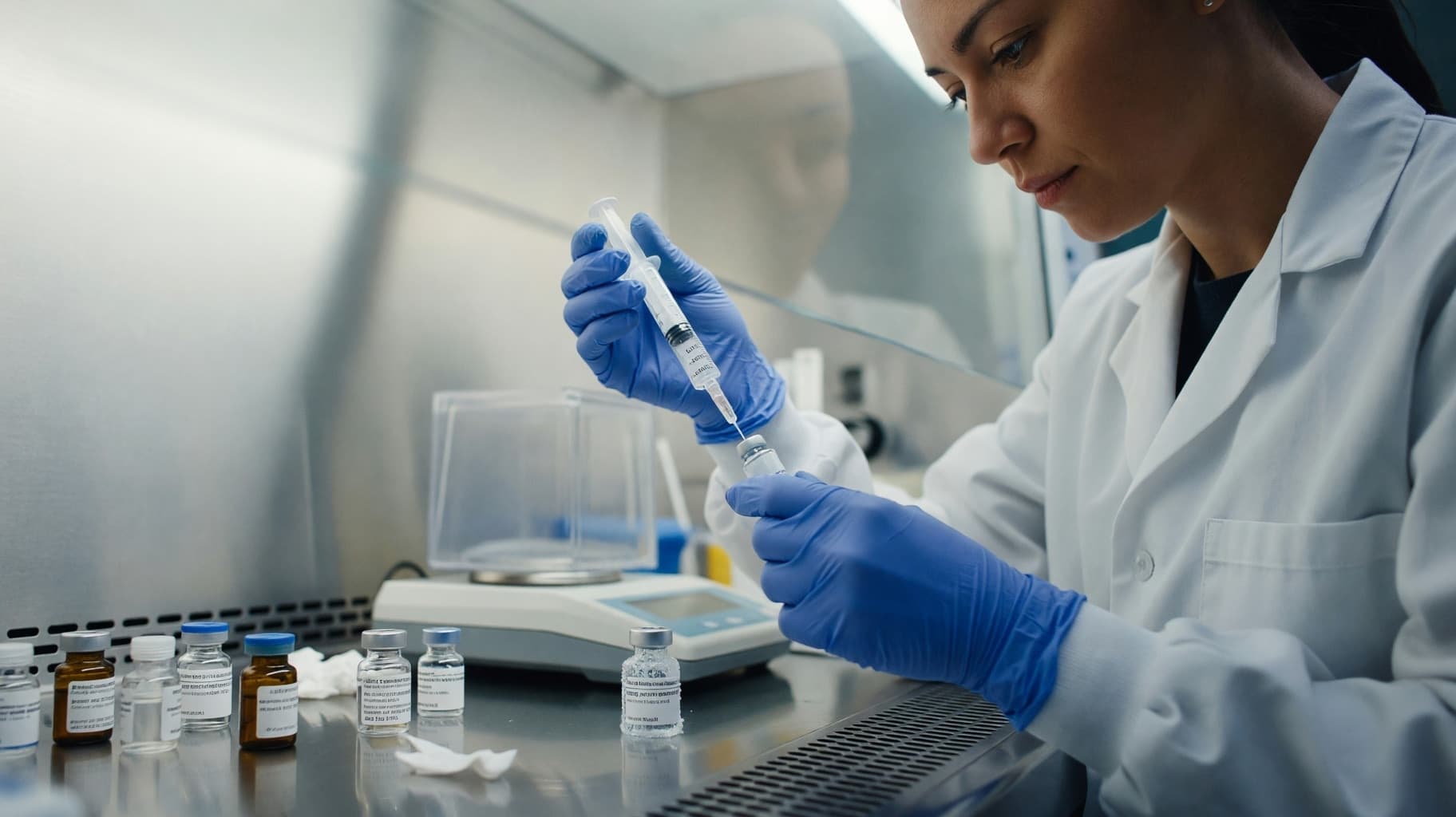
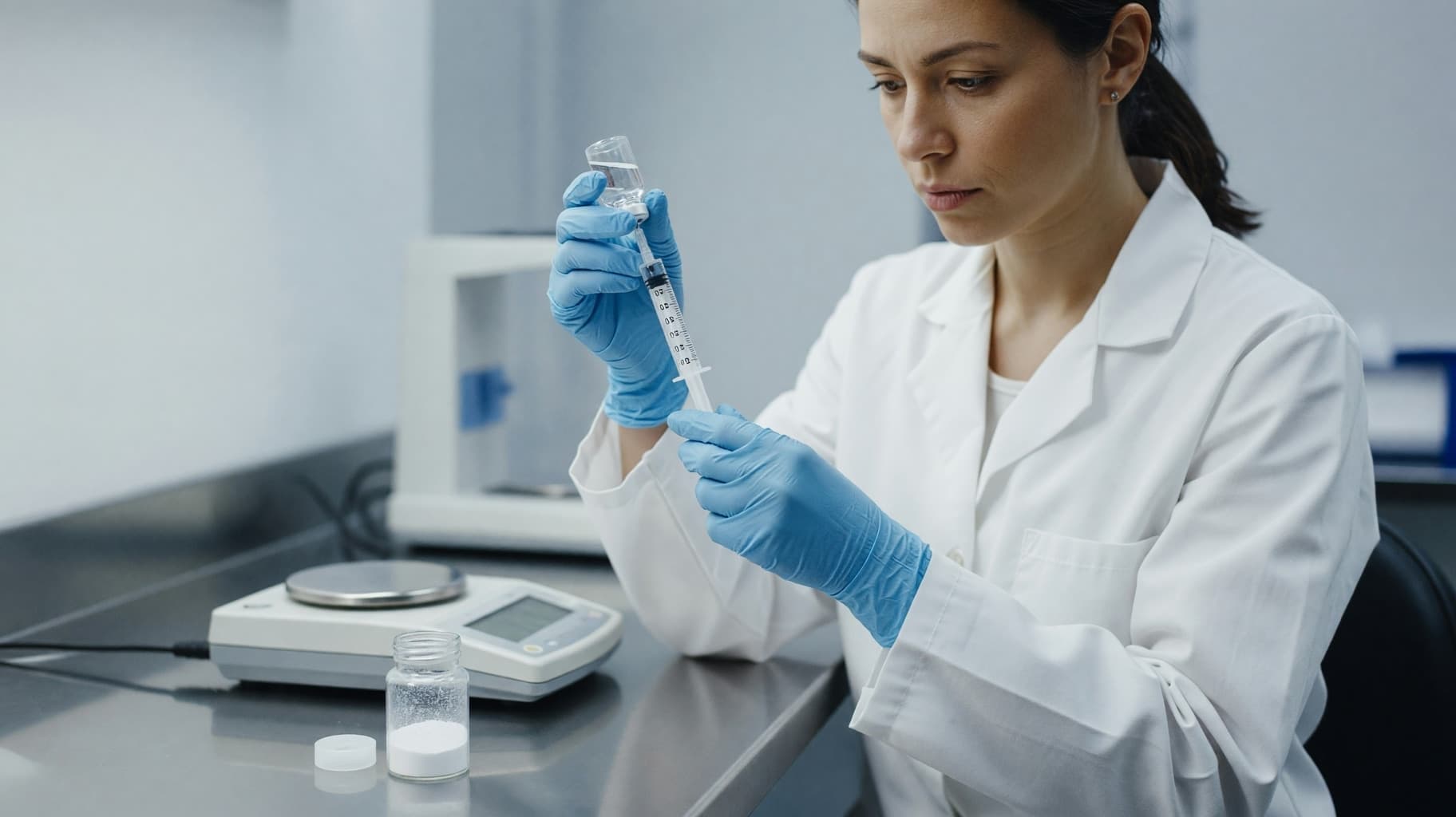
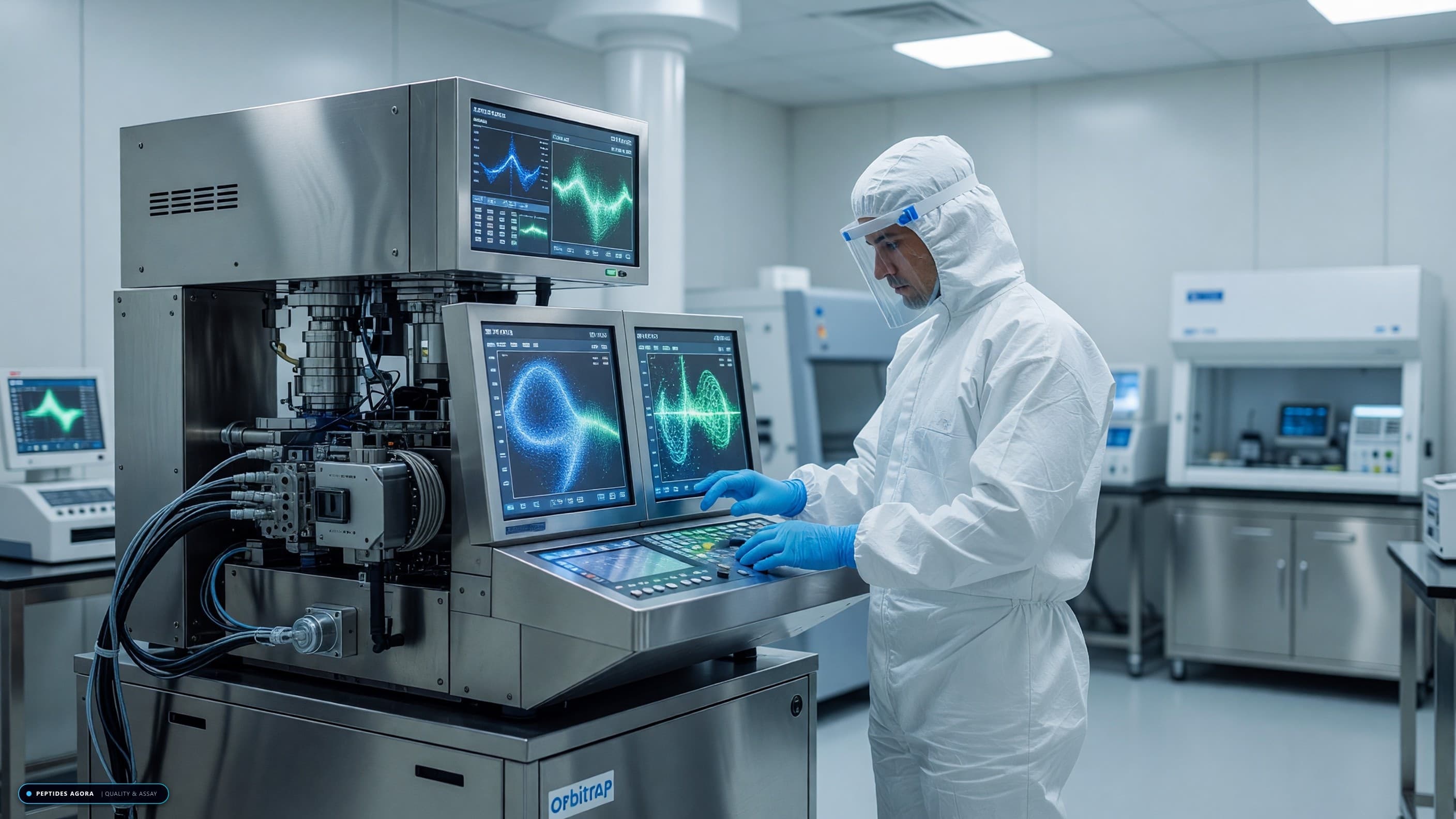
Custom peptide synthesis uses solid-phase synthesis to construct user-defined sequences. Chemists verify each step via in-process testing, while post-synthesis quality control uses mass spectrometry and HPLC to confirm purity tiers.

FDA-Approved Peptides: What Approval Actually Means
approval-and-legality

FDA-Approved Peptides: What Approval Actually Means

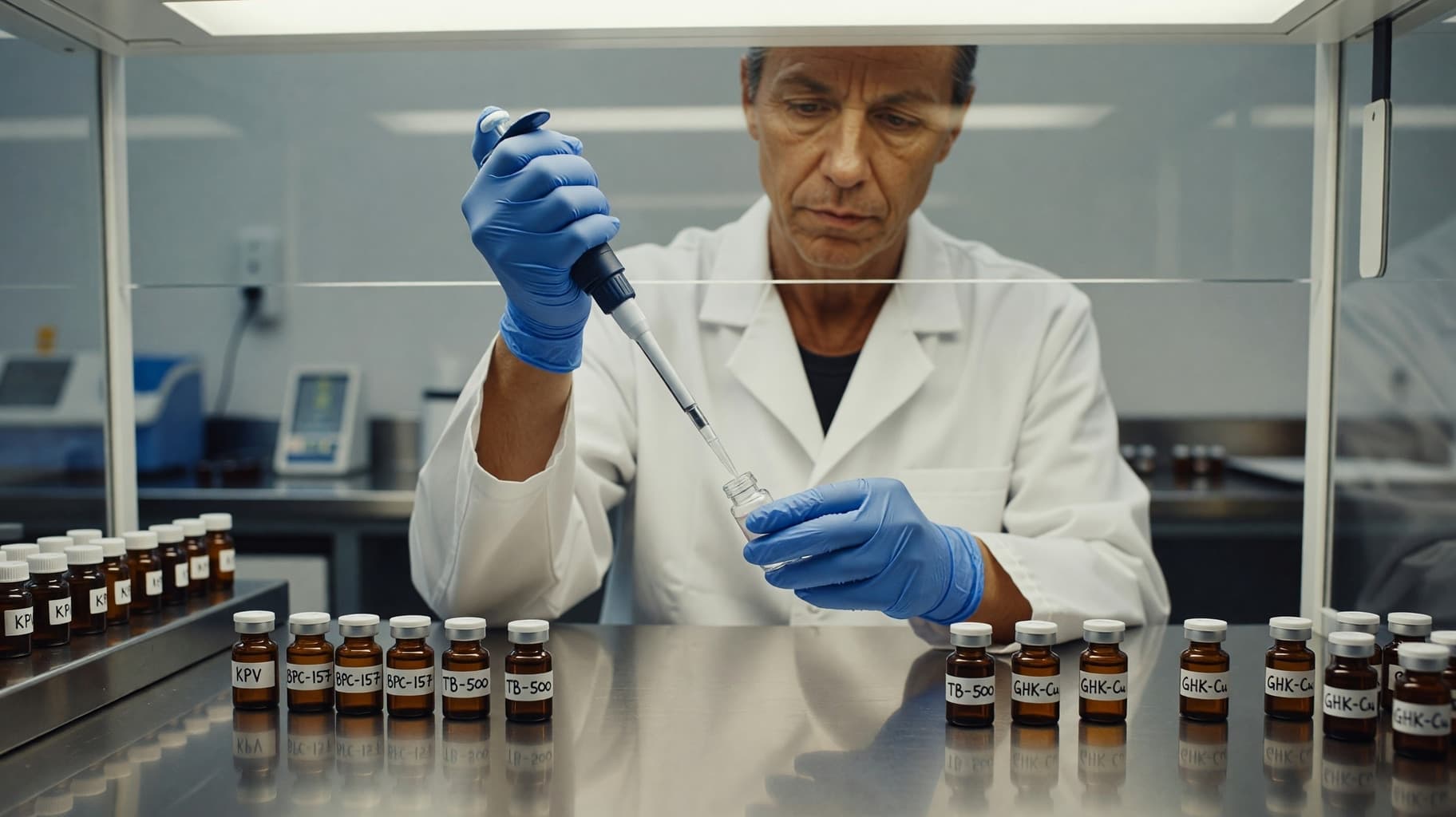
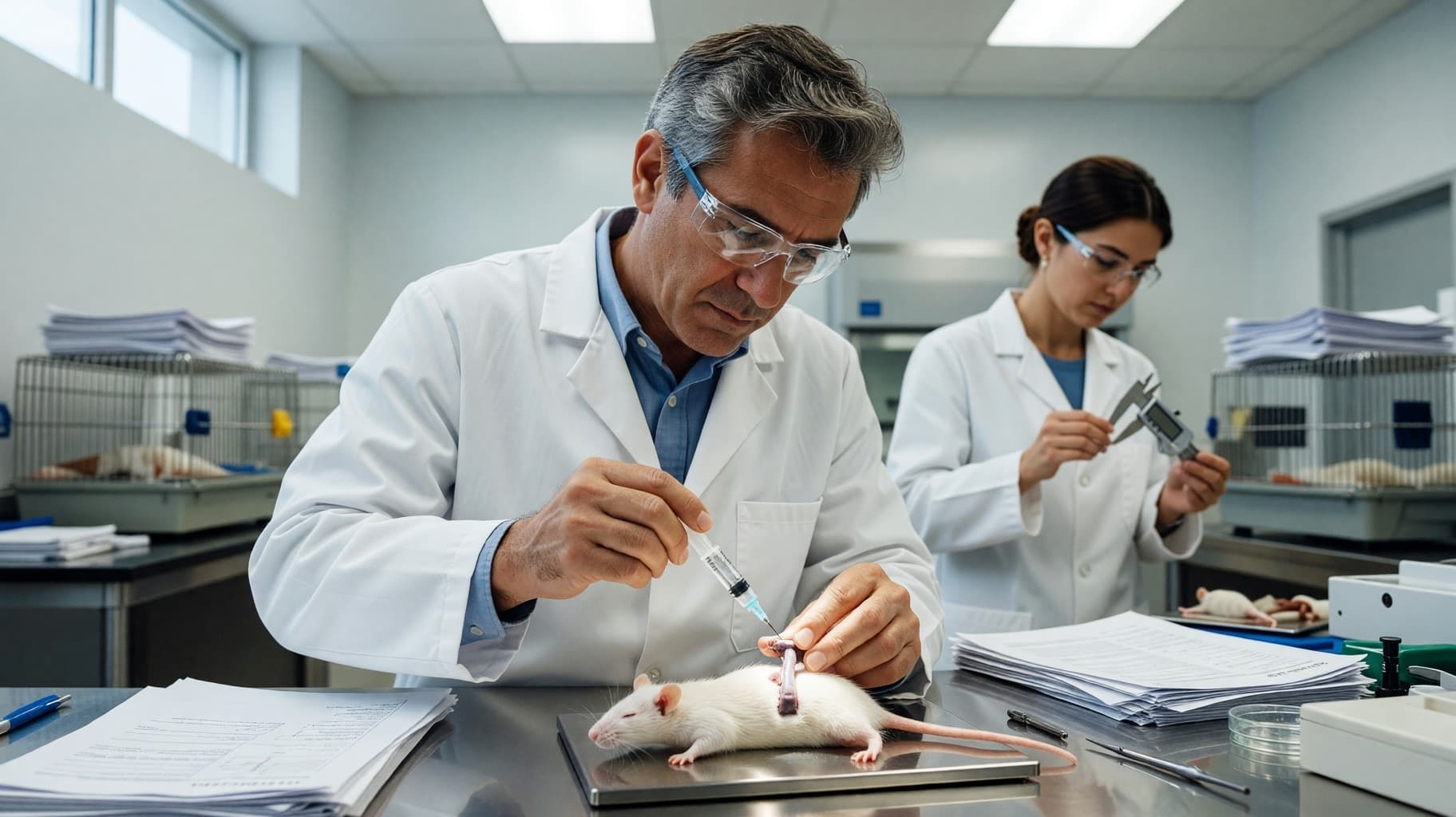
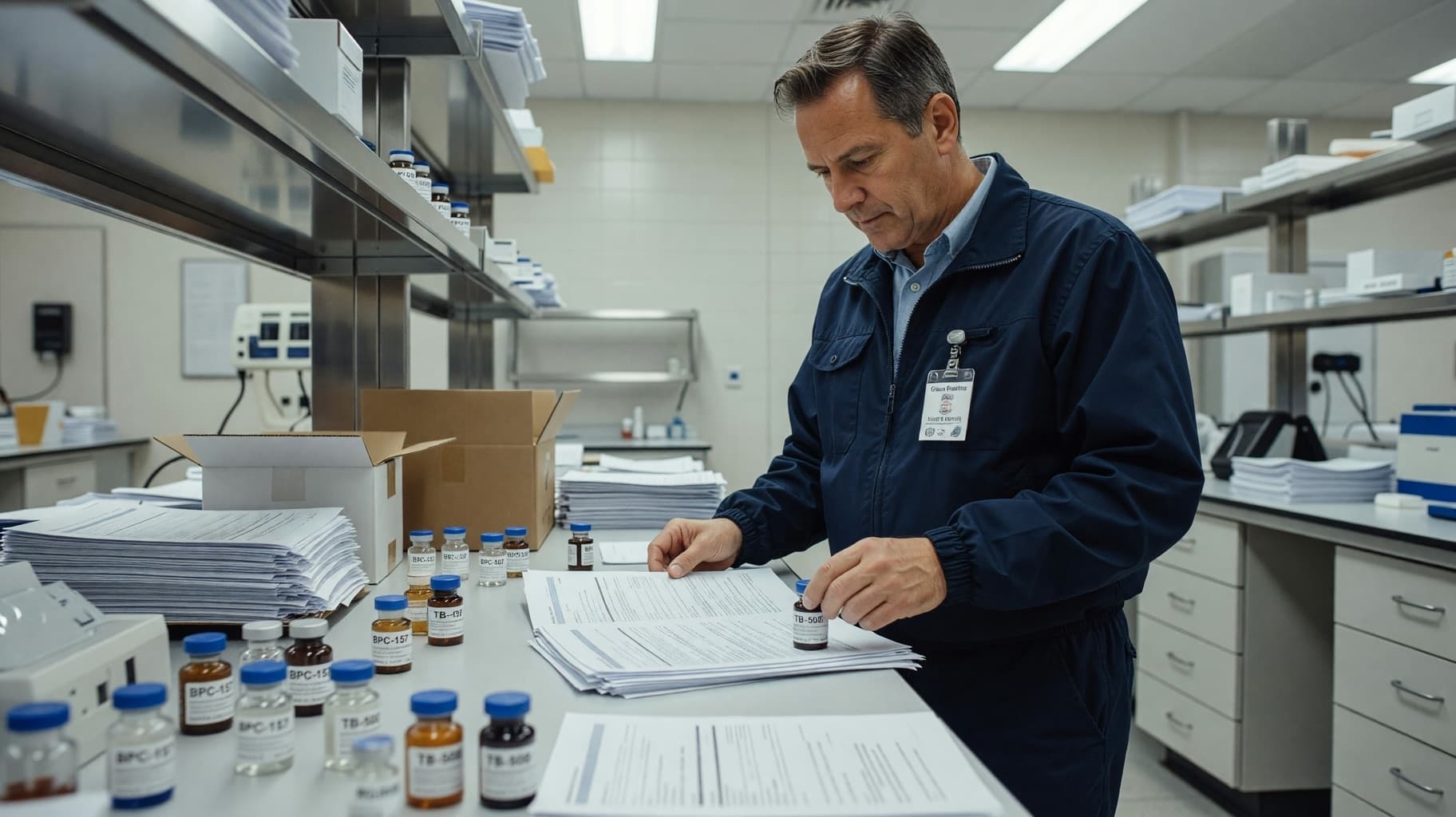
While semaglutide and insulin are approved drugs with validated safety data, peptides like BPC-157 and TB-500 are not. Understanding the difference between drug approval and compounding eligibility is critical for patient safety.

Decoding Purity Claims in Research Peptide COAs
purity-and-coa

Decoding Purity Claims in Research Peptide COAs

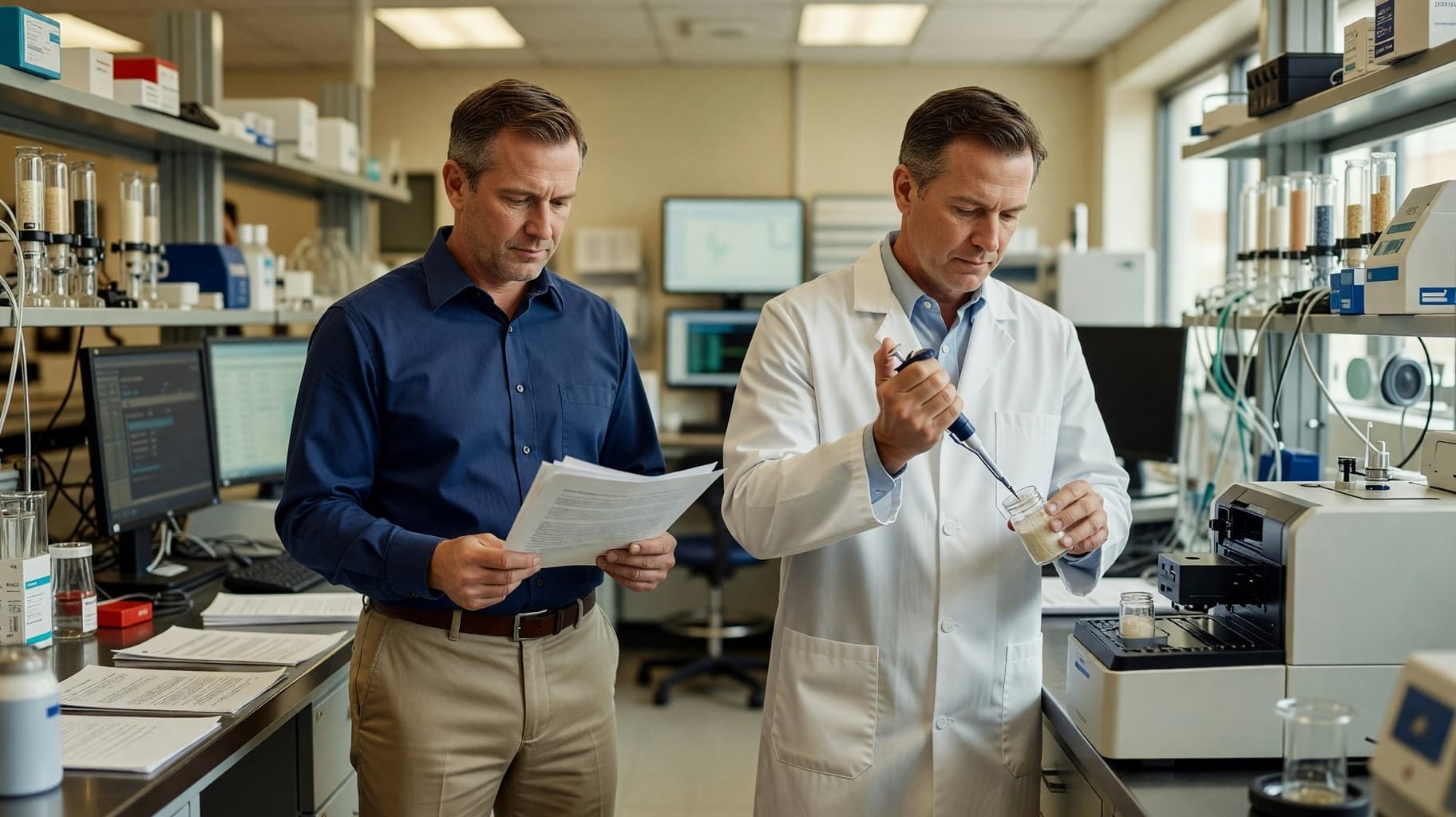
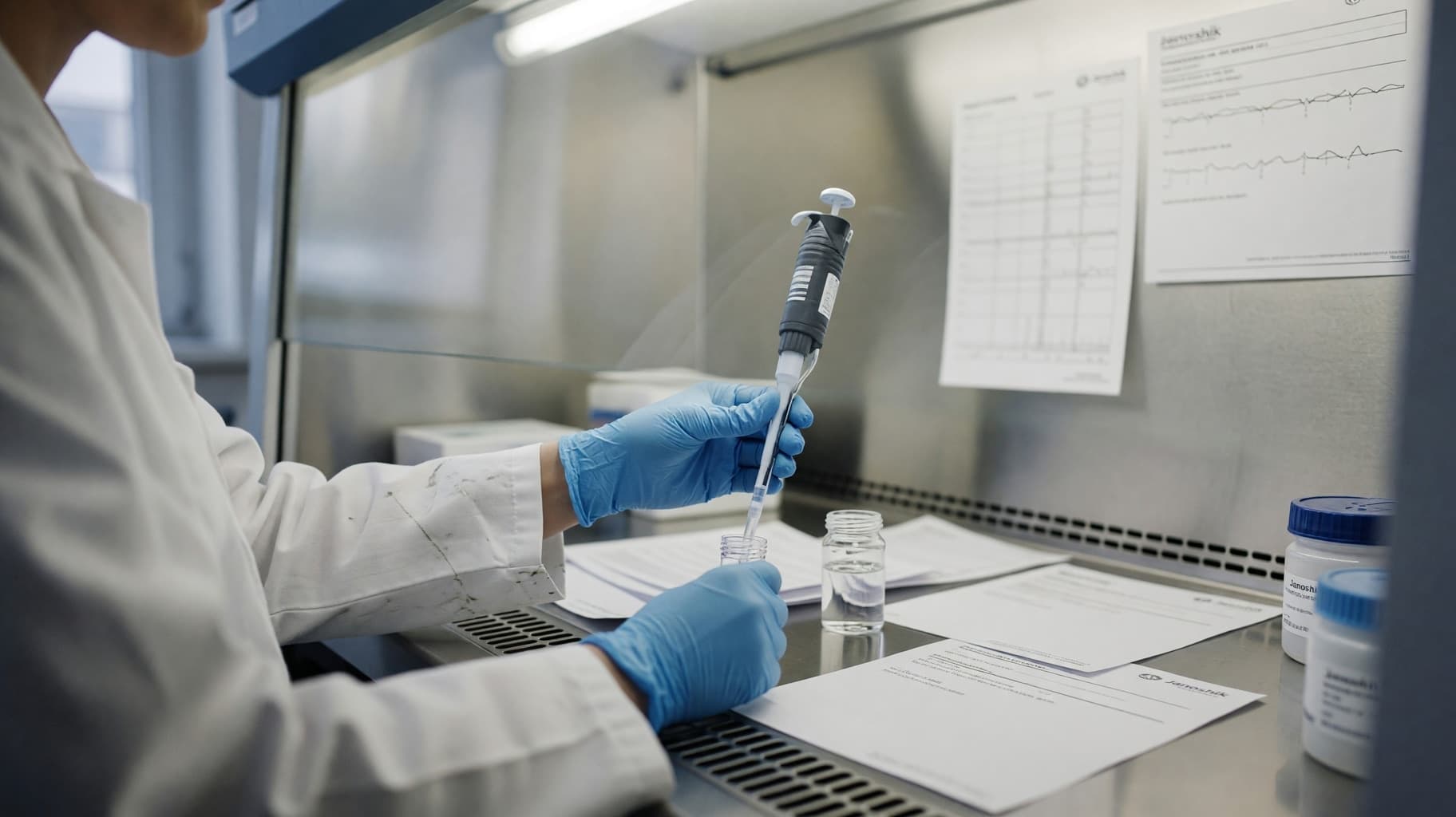
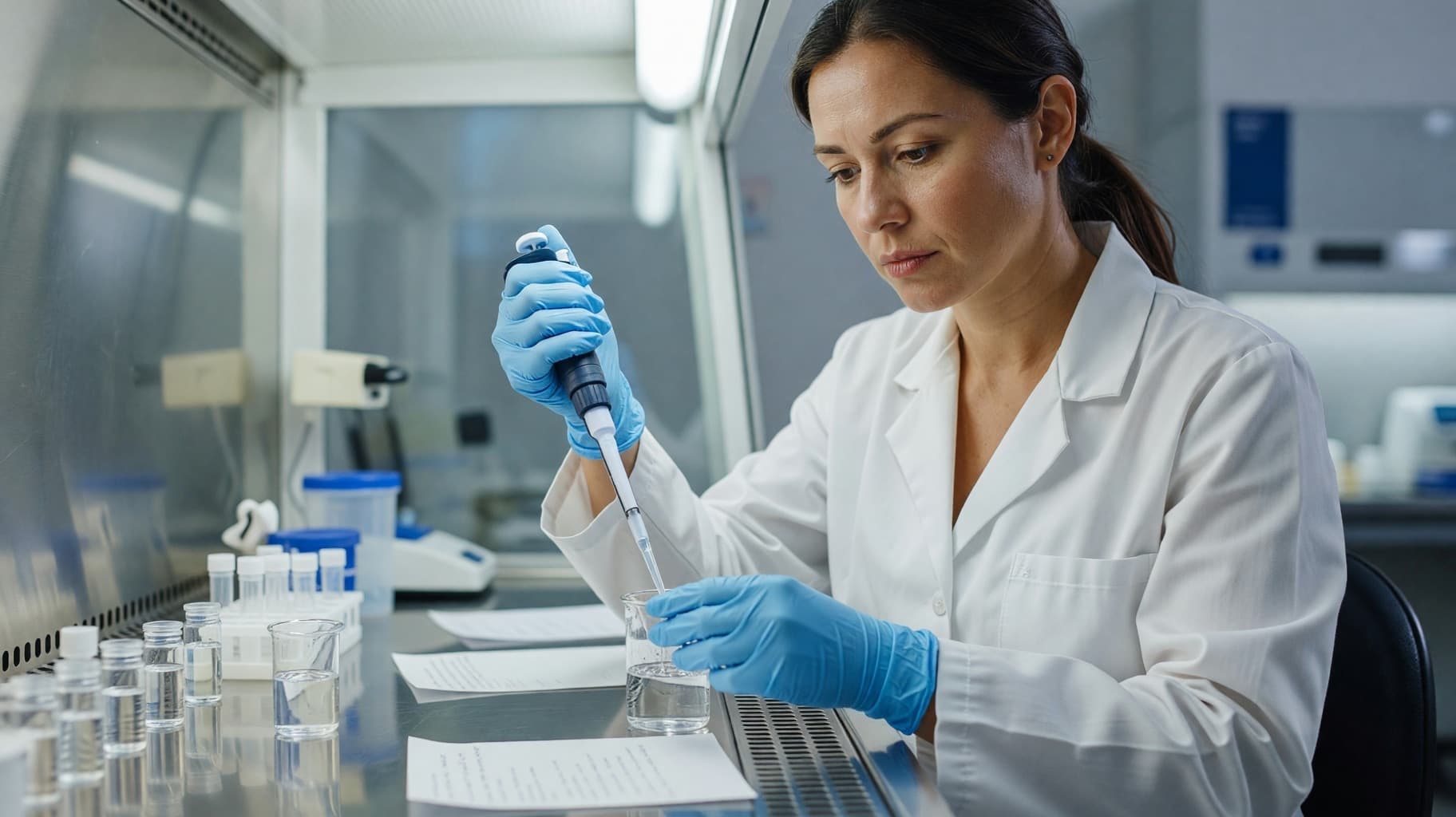
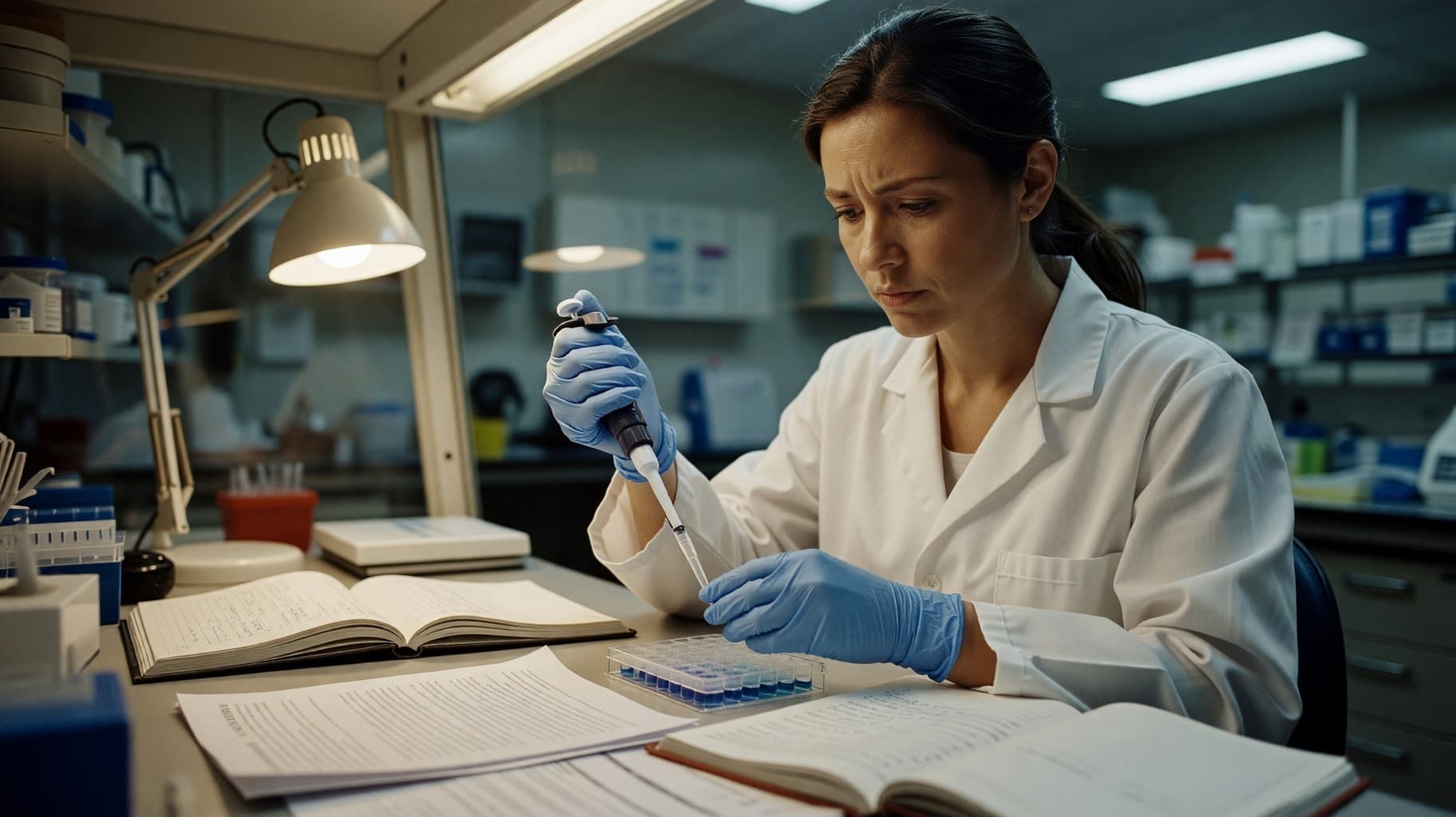
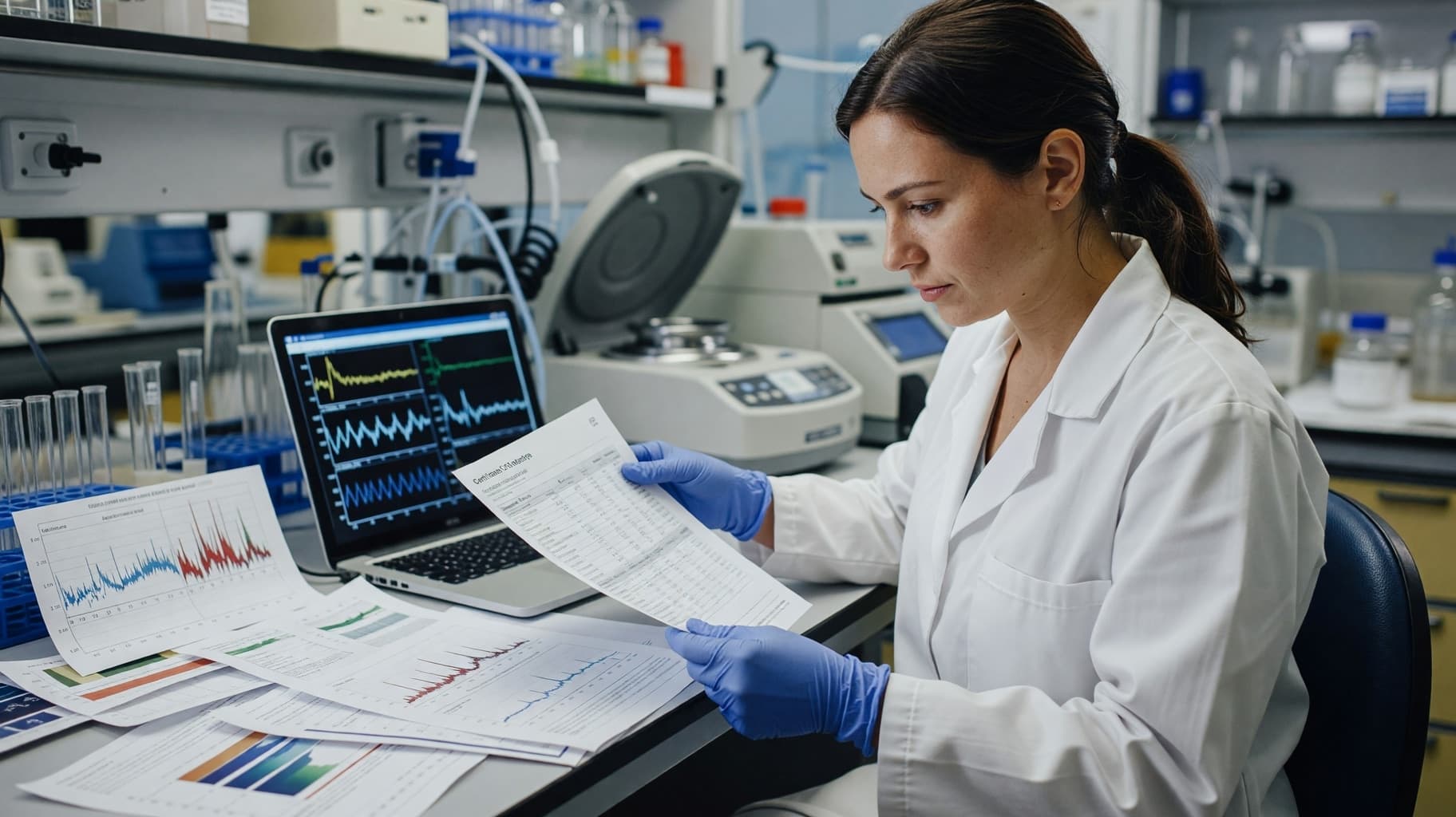
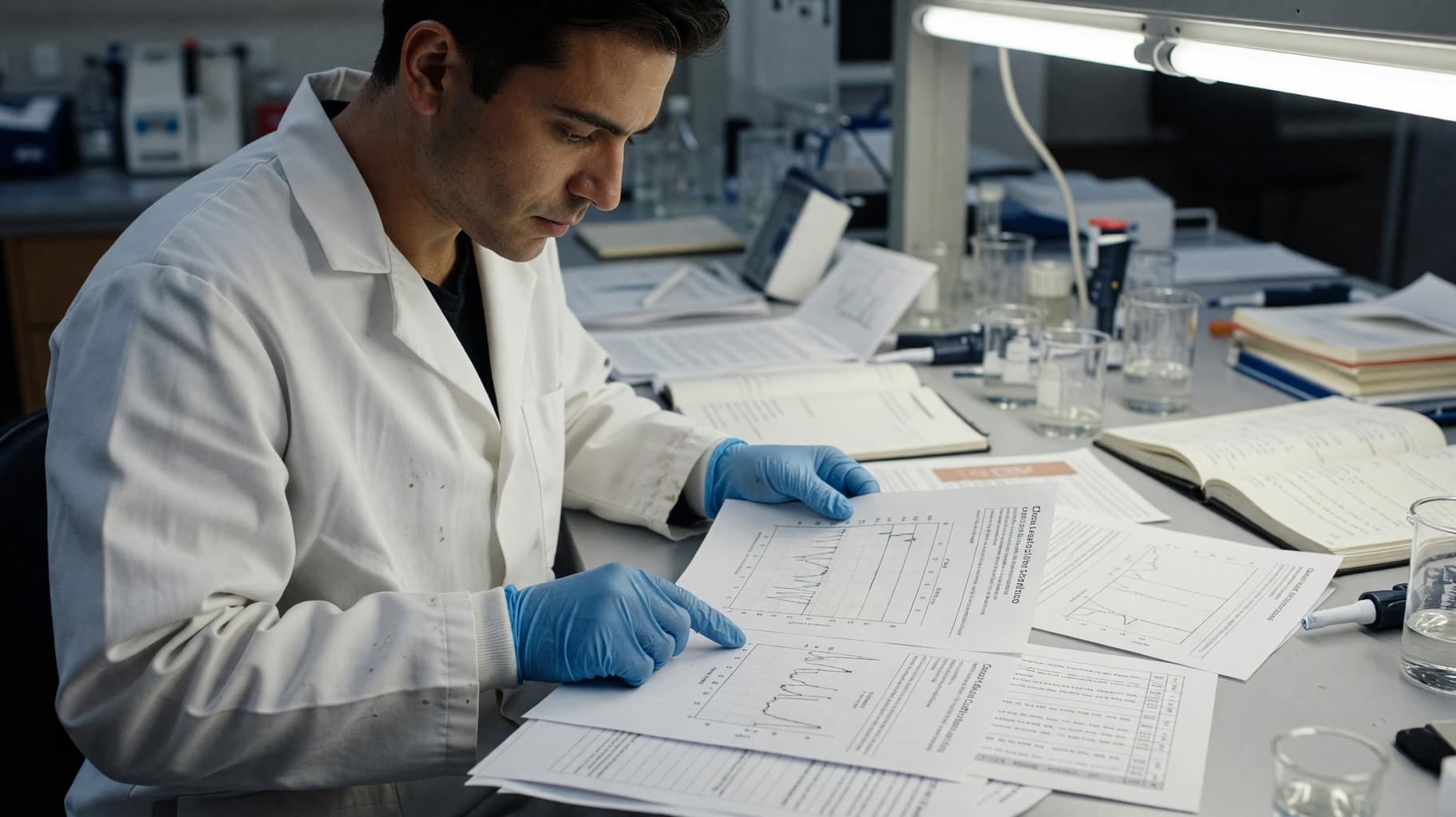
A purity percentage on a label is not evidence; it is a claim. High-purity research peptides require verification via third-party Certificates of Analysis (COAs) that detail HPLC and mass spectrometry results. This reference explains how.