
Galanin Claims Outpace Clinical Evidence as Receptor Complexity Stalls Drug Development
Wellness vendors and social media creators currently market galanin peptides for memory enhancement and mood stabilization across English and Spanish digital communities, positioning the neuropeptide as a cognitive support tool despite a complete absence of approved therapeutics targeting these receptors for CNS indications. This commercial availability directly contradicts the regulatory landscape, as no galanin-based drugs have cleared clinical trials for cognitive or psychiatric disorders since Synaptic Pharmaceutical halted development of the GalR3 antagonist HT-2157 in 2011 due to safety concerns, according to technology reporting tracked by Digg. The gap between consumer marketing and clinical reality widens because galanin peptide receptor signaling operates through three distinct G protein-coupled subtypes that trigger opposing physiological outcomes, making broad claims of cognitive benefit scientifically imprecise and potentially misleading for consumers seeking verified interventions.
Understanding this molecular divergence is essential for evaluating health claims circulating in bilingual wellness spaces. While research published in Molecules confirms that GalR1 and GalR3 typically couple to Gi/o proteins to inhibit neurotransmitter release, GalR2 activates phospholipase C via Gq/11 proteins to promote cell survival and excitability. A compound described generically as a "galanin modulator" in marketing copy could theoretically produce opposite effects on anxiety or memory depending entirely on its receptor selectivity profile. Consumers navigating neuropeptide marketing trends encounter this complexity without the biochemical context necessary to distinguish between theoretical mechanisms and proven human outcomes, creating a verification gap where engagement metrics substitute for clinical evidence.
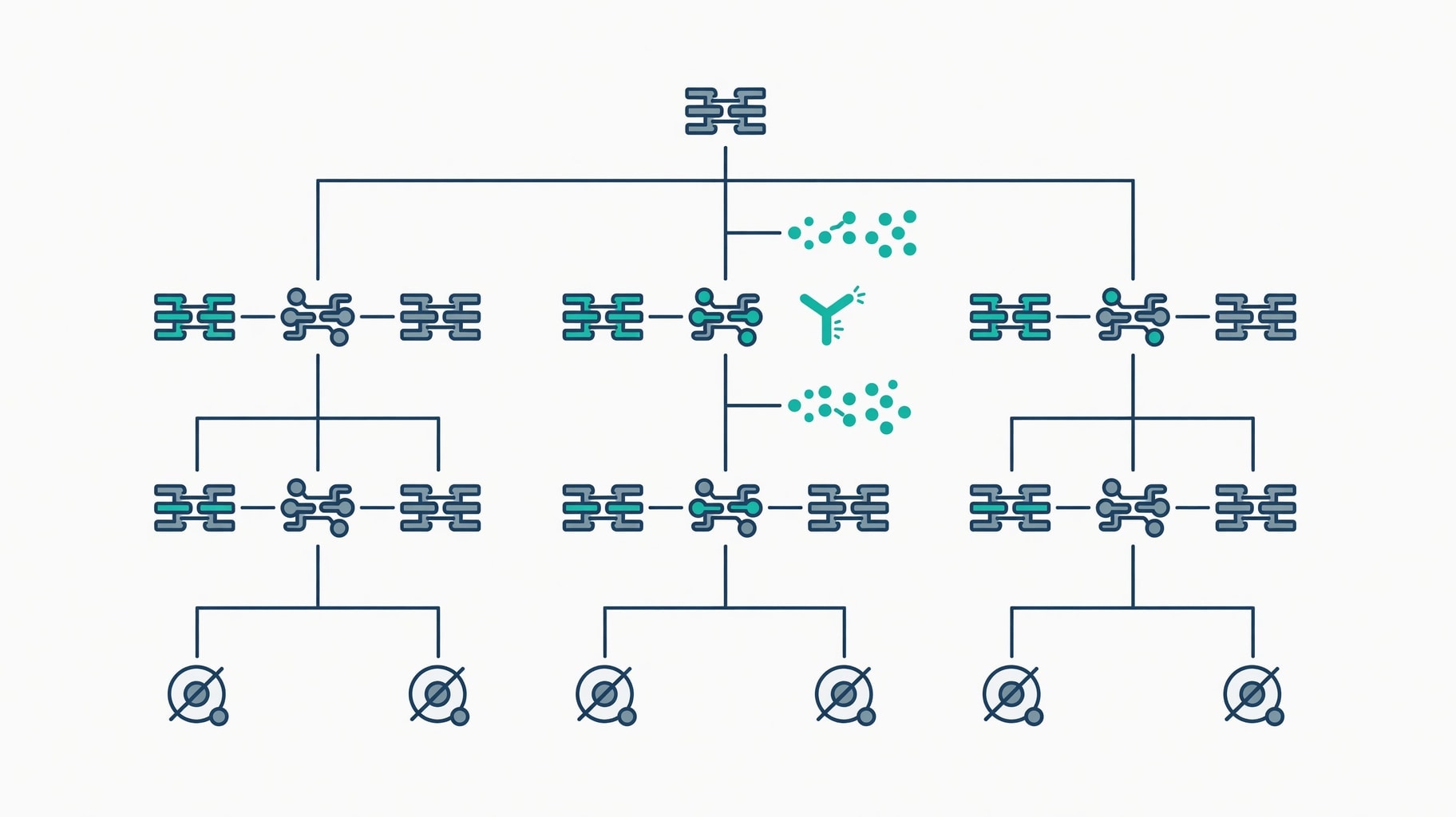
Figure 1: Opposing G-protein signaling pathways of the three galanin receptor subtypes that complicate therapeutic development.
Divergent Signaling Pathways and Regional Anatomy
The functional duality of the galanin system stems from distinct G protein coupling mechanisms that simplified consumer narratives frequently obscure. Binding assays confirm that GalR1 and GalR3 signal primarily through Gi/o-mediated inhibition of adenylyl cyclase, reducing cyclic AMP levels and activating potassium channels to hyperpolarize neurons. GalR2 couples to Gq/11 proteins instead, triggering phospholipase C activation and intracellular calcium mobilization. Research published in Biomedicines notes that these divergent pathways allow the same neuropeptide to either brake neuronal activity or promote trophic signaling depending entirely on which receptor subtype is occupied. For audiences evaluating health information across language barriers, this distinction determines whether a supplement claim is mechanistically plausible or fundamentally flawed.
Regional distribution patterns further complicate the translation of galanin peptide receptor signaling from cellular models to observable human physiology. GalR1 predominates in the basal forebrain, hypothalamus, and spinal cord, regions critical for cholinergic tone and autonomic regulation. GalR2 displays wider distribution across the brain, pituitary gland, and peripheral tissues. GalR3 expression is more restricted but functionally significant as the major galanin receptor in locus coeruleus norepinephrine neurons, yet it is likely not expressed in the forebrain at detectable levels. This anatomical segregation means systemic administration of non-selective ligands produces simultaneous, often antagonistic effects across different neural circuits. Human GALR3 binds galanin with significantly lower affinity than GalR1 or GalR2, suggesting receptor occupancy in vivo depends heavily on local peptide concentration and specific ligand isoforms, making dose-response relationships difficult to replicate with exogenous supplements lacking verified selectivity data.
Endogenous ligand diversity adds another regulatory layer absent from commercial product descriptions. While galanin is the principal natural agonist for all three subtypes, galanin-like peptide and spexin also interact with these receptors with varying affinities. This binding kinetics variability indicates that receptor occupancy depends on specific ligand isoforms present in tissue, a level of precision unattainable through current commercial formulations. Unlike established cognitive health trends with standardized dosing protocols, galanin products lack the receptor binding validation necessary to predict physiological outcomes, leaving consumers to rely on anecdotal reports rather than pharmacological certainty.
Cholinergic Survival and the Alzheimer’s Biomarker Paradox
Post-mortem analyses consistently reveal galaninergic hyperinnervation of cholinergic basal forebrain neurons in late-stage Alzheimer’s disease tissue, creating a biomarker narrative that public discourse frequently misinterprets as disease causation rather than potential rescue. Early interpretations suggested this overexpression contributed to cholinergic dysfunction by inhibiting acetylcholine release via GalR1 and GalR3. Gene expression profiling of individual cholinergic neurons aspirated from AD tissue reveals a different dynamic. Findings published in PMC indicate that galanin hyperinnervation positively regulates mRNAs promoting neuronal function and survival, suggesting a compensatory neuroprotective response rather than a pathogenic mechanism. This nuance is frequently absent from wellness content, where biomarker presence is mistakenly equated with therapeutic target validation.
Genetic models reinforce this ambiguity and caution against linear supplement logic. Galanin knockout mice exhibit fewer cholinergic basal forebrain neurons and measurable memory deficits, supporting a trophic role for the peptide. Mice overexpressing galanin also display hyperinnervation alongside memory deficits, according to a comprehensive review in PMC. Both loss and excess of galanin signaling produce cognitive impairment, indicating cholinergic neuron survival requires precise homeostatic regulation rather than simple upregulation. Recent transcriptomic data from tau oligomer-bearing neurons provides potential resolution to this contradiction. Research in Acta Neuropathologica Communications identified downregulation of GALR1 and GALR2 transcripts specifically in cholinergic nucleus basalis neurons bearing tau pathology. If receptor expression declines as tau burden increases, the hyperinnervation observed in post-mortem tissue may represent a failed compensatory attempt to maintain trophic support against receptor loss.
This dynamic interplay between peptide availability and receptor density suggests the therapeutic window for galanin modulation in AD is narrow and temporally restricted to specific disease stages. Strategies aimed at simply boosting galanin levels risk exacerbating cognitive deficits through off-target Gi/o-mediated inhibition in brain regions where receptor ratios differ from the basal forebrain. Antagonist approaches must account for the possibility that blocking galanin signaling during compensatory phases could accelerate neuronal loss. This biological complexity explains why verified clinical outcomes remain elusive and why communities seeking cognitive support should distinguish between mechanistic hypotheses derived from rodent tissue and proven human interventions. The absence of human cognitive trial data means current market offerings cannot be validated against the rigorous subtype-selective standards established in preclinical research.
Preclinical Behavioral Data and the Absence of Human Validation
Translating molecular signaling into observable cognitive outcomes requires subtype-selective tools that have only recently become available, and even then the data remains exclusively preclinical. Direct pharmacological stimulation of GalR1 in the ventral prefrontal cortex and ventral hippocampus produces opposing effects on attention and impulse control in murine models. Neuropsychopharmacology research established that GalR1 is predominantly expressed in glutamatergic neurons in both regions, yet activation enhances goal-directed attention in the prefrontal cortex while impairing it in the hippocampus. This circuit-level specificity demonstrates that even within a single receptor subtype, functional outcomes depend on local microcircuit architecture, challenging broad claims linking galanin to uniform improvements in focus or mood.
GalR2 and GalR3 contribute to learning and anxiety through distinct mechanisms that further complicate translational efforts. Aging mouse models reveal strain-dependent differences in GalR signaling correlating with learning speed, anxiety levels, and cell survival in the dentate gyrus. Research in Molecules indicates GalR signaling modulates survival in neurogenic niches, linking receptor activation to structural plasticity rather than acute neurotransmission alone. In retinal degeneration models, GalR3 inhibition with the selective antagonist SNAP-37,889 attenuated photoreceptor loss by modulating inflammatory and oxidative stress responses, positioning GalR3 as a mediator of degenerative cascades in sensory systems distinct from forebrain cognition. Despite these granular insights, the translational gap remains wide. Emerging evidence from non-mammalian vertebrates identifies biased GALR2/β-arrestin2 signaling as a mechanism for mitigating inflammation in IBD models, though applicability to human CNS pharmacology is entirely speculative.
All behavioral data linking galanin receptors to mood, memory, and attention derive exclusively from rodent models. Human receptor distribution maps are limited to post-mortem AD samples, and no human cognitive trial results for galanin receptor modulation exist. The field continues to map subtype-specific functions with increasing precision, but the absence of validated human efficacy data means galanin peptide receptor signaling remains a mechanistic framework for understanding CNS biology rather than a proven therapeutic pathway. Current FDA records show no active investigational new drug applications for galanin-based CNS therapeutics, and ClinicalTrials.gov lists no recruiting studies evaluating galanin peptides for cognitive enhancement or mood disorders in human subjects.
Further Clinical & Regulatory Context
For deeper analysis and cross-referenced evidence, see: - Related Clinical & Pharmacological Analysis: Neuropeptide Y and Stress Resilience: Separating Clinical Evidence from Wellness Claims - Related Clinical & Pharmacological Analysis: Cortexin Clinical Trials Exist Only for Tissue Extracts, Not Synthetic Analogs - Related Clinical & Pharmacological Analysis: CGRP Therapeutics Cross Border Between Clinical Evidence and Peptide Marketing