
An FDA advisory committee voted to recommend compounding access for six unapproved peptides. The panel acknowledged the absence of large-scale human clinical trials for these compounds. NPR and Live Science documented the specific compounds under review. BPC-157 and TB-500 appear in both records. Semax and Epitalon appear in the Everyday Health coverage.
Bioactive peptides are short amino acid sequences released from precursor proteins through enzymatic hydrolysis, fermentation, or gastrointestinal digestion The Protein Journal. Our guide to what peptides are explains the underlying molecular structure. That definition governs manufacturing, interstate commerce, and enforcement discretion. It applies to approved drugs and unapproved research chemicals alike. The vote is a recommendation. It is not a final agency decision.
Statutory Threshold for Bioactive Peptides
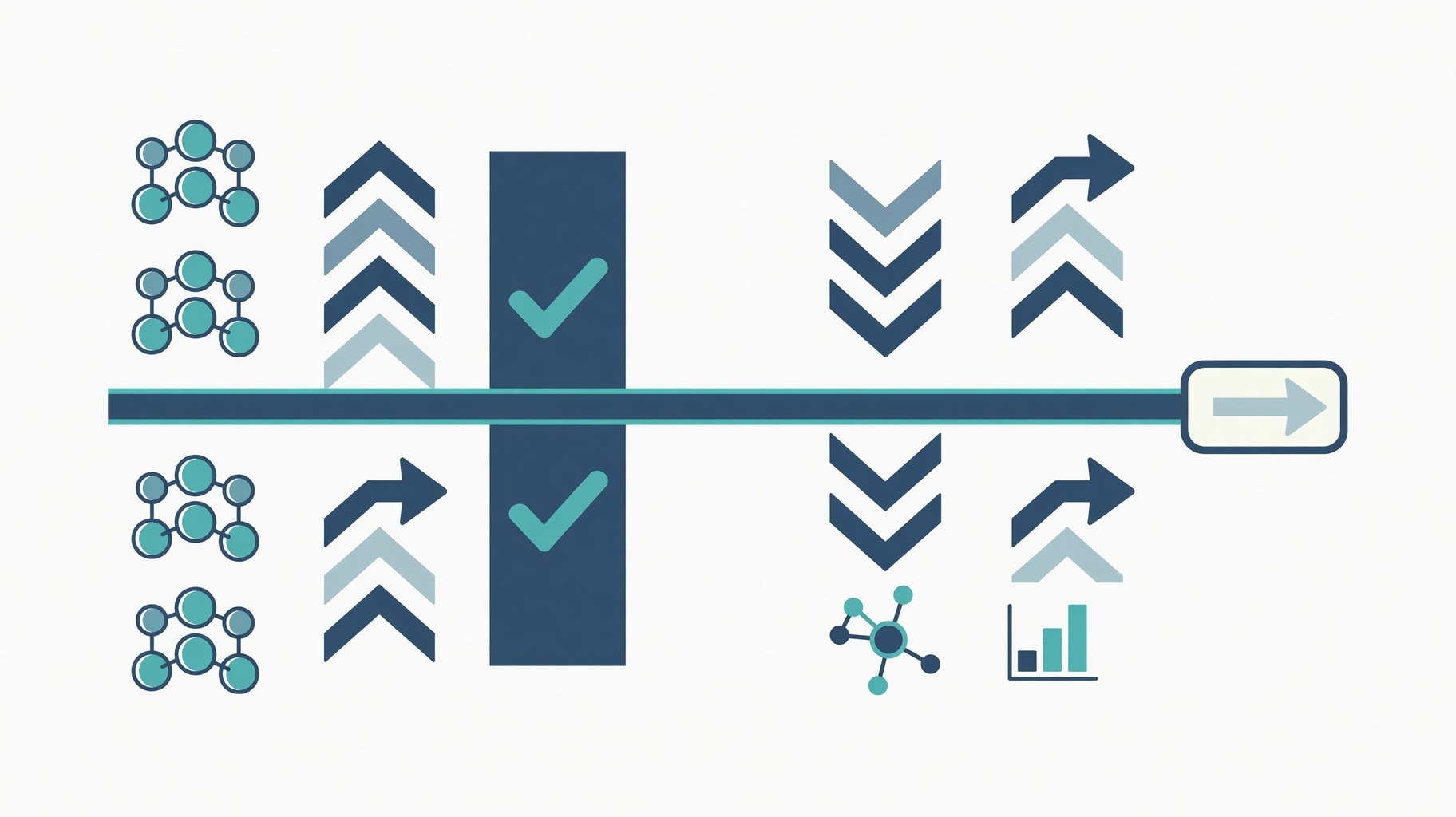
Figure 1: Statutory classification and evidentiary thresholds separating approved bioactive peptide therapeutics from unapproved compounds under FDA review.
The Federal Food, Drug, and Cosmetic Act separates bioactive peptides into two categories. Approved peptide drugs satisfy the evidentiary requirements through randomized controlled trials. Unapproved bioactive peptides do not.
The advisory committee vote does not alter this statutory threshold. It recommends an administrative pathway for 503B outsourcing facilities to compound the six peptides under FDA enforcement discretion. "Allowed to be compounded" does not mean "FDA-approved," a distinction that dictates manufacturing obligations and cross-border active pharmaceutical ingredient sourcing rules.
A 2026 review in PubMed documents that the therapeutic potential of these peptides remains underutilized despite three decades of investigation. The review summarizes recent scientific evidence from preclinical studies and clinical trials evaluating protein hydrolysates and purified peptide fractions across metabolic health, cardiovascular regulation, and immune function. This evidentiary gap determines 503B outsourcing eligibility.
Preclinical Evidence and Translational Limits
A 2026 critical review in The Protein Journal maps the translational limits. The review documents antihypertensive, antioxidant, antimicrobial, anti-inflammatory, immunomodulatory, and anticancer effects in preclinical models. The majority of current evidence remains derived from in vitro and animal studies. Translational limitations include poor bioavailability, gastrointestinal instability, variability in peptide purification, and limited large-scale clinical validation.
The Frontiers in Nutrition review on gut microbiota-targeted bioactive peptides establishes the same boundary. Peptides selectively influence microbial composition and metabolism. Microbial proteases transform dietary peptides into metabolites with distinct activities. The molecular mechanisms behind these interactions remain incompletely understood. Much of the evidence comes from preclinical models rather than well-controlled human studies.
Principal barriers limiting clinical application include limited bioavailability and stability due to food processing and gastrointestinal proteolysis. Interindividual variability in gut microbiota composition creates inconsistent physiological responses. Most studies remain at in vitro and preclinical stages. Regulatory and safety concerns include toxicity, allergenicity, and health claim validation. Our review of marine collagen and food-derived peptides covers one source-specific category, while cell-penetrating peptides use engineered delivery sequences.
Human Clinical Data Deficits
Unapproved bioactive peptides lack randomized controlled human trials. BPC-157 and TB-500, the two peptides specifically named across the NPR and Live Science reporting, operate within this evidentiary constraint.
Evidence for BPC-157 consists primarily of preclinical animal studies for musculoskeletal applications. TB-500 evidence is limited to animal and preclinical research. A few human studies examine wound healing.
The MDPI review on therapeutic peptides documents the same pattern for MOTS-c. Data is almost exclusively preclinical. There are no major signs of toxicity in animal models. There are no human clinical trials to characterize safety, dosing, and adverse events.
These data deficits constitute the statutory boundary for regulatory compliance. Facilities evaluating iv therapy peptide hormone clinic services source compounds governed by this evidence boundary.
503B Outsourcing and Active Pharmaceutical Ingredient Liability
The advisory committee recommendation carries a specific administrative consequence. It would permit 503B outsourcing facilities to compound the six peptides. Production requires sourcing active pharmaceutical ingredients from registered facilities.
The NPR reporting documents that legitimizing these peptides for compounding does not require the same degree of evidence as FDA drug approval. The agency retains a responsibility to ensure some level of safety before the compounds become widely available.
No new scientific evidence accompanied these decisions. The shift is driven by policy, not new science. Easier access does not lower the evidence bar. The trials that would establish whether these peptides work in humans have not been conducted.
For supply chain managers sourcing active pharmaceutical ingredients across U.S. and Pacific biotech markets, the statutory classification dictates liability. A 503B facility compounding an unapproved peptide operates under enforcement discretion. The facility assumes manufacturing and safety liability.
Evidentiary Framework for Compliance
The supplied records define a strict evidentiary framework for bioactive peptides.
Approved peptide drugs have completed large-scale randomized controlled trials in humans. They satisfy the Federal Food, Drug, and Cosmetic Act.
Unapproved bioactive peptides rely on in vitro assays, animal models, and small human studies lacking blinding or placebo controls. They lack large-scale clinical validation.
The advisory committee vote recommends compounding access for six unapproved peptides. It does not establish safety or efficacy. It does not satisfy the statutory threshold for drug approval.
Manufacturers, compounding pharmacists, and supply chain managers must evaluate bioactive peptides against this boundary. Approved therapeutics carry completed clinical validation. Unapproved compounds carry preclinical data and the legal exposure inherent in 503B production without completed human trials.