
Primary endpoint data from the benchmark Matrixyl trial
The strongest single dataset for any topical cosmetic peptide remains the 2005 double-blind, placebo-controlled, split-face randomized controlled trial of palmitoyl pentapeptide-4, the peptide sold as Matrixyl. The trial enrolled 93 women, applied the peptide formulation to one side of the face and a vehicle control to the other for 12 weeks, and measured wrinkle depth by profilometry as the primary endpoint.
The peptide-treated side showed an approximately 27 percent reduction in wrinkle depth relative to baseline, with expert graders confirming visible improvement on the treated side. Tolerability was comparable to vehicle, with no increased skin redness or barrier disruption reported. This study, published in the International Journal of Cosmetic Science, establishes the benchmark dataset for the category, but its design reveals the standard limitations of cosmetic peptide research.
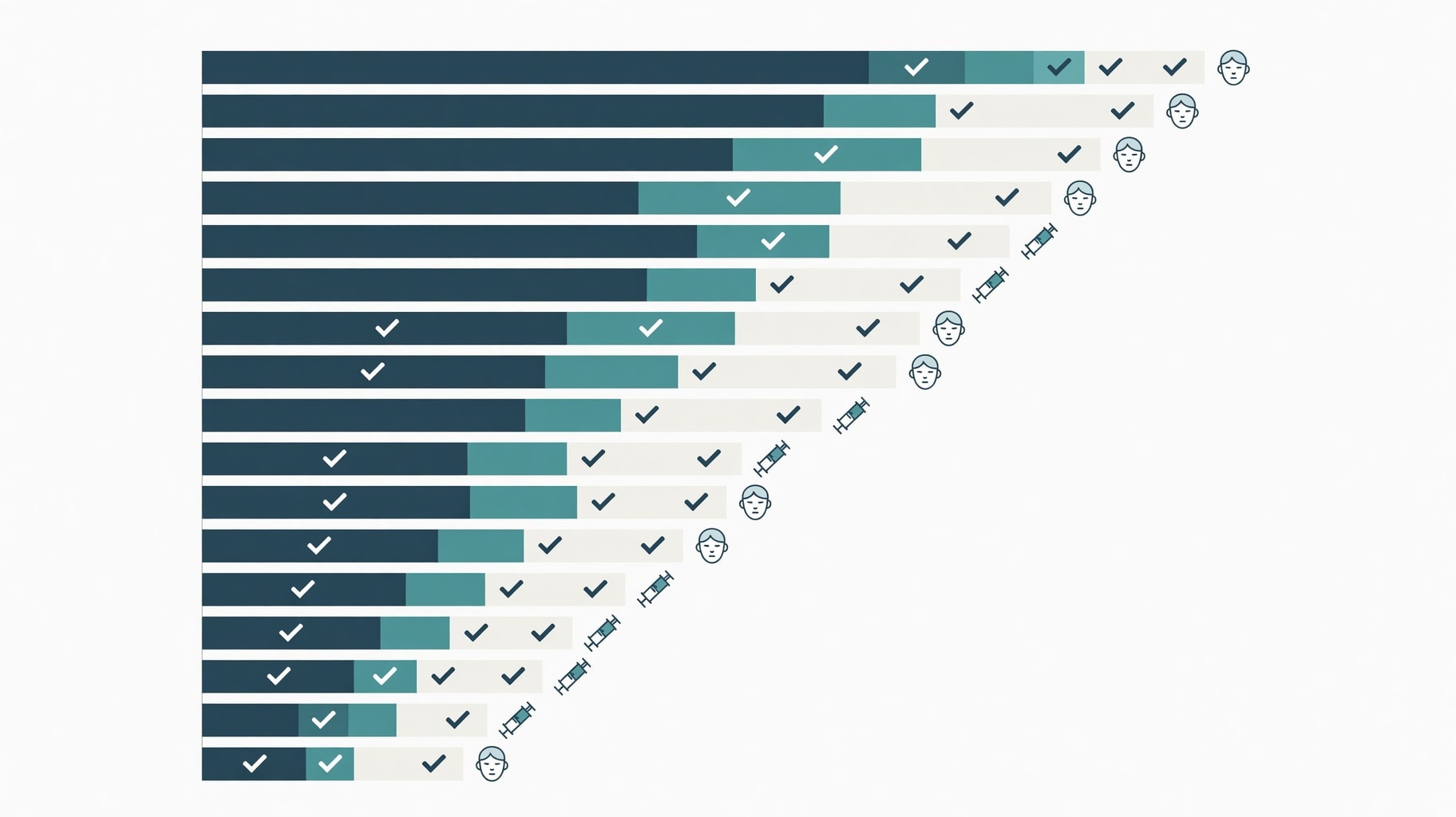
Figure 1: Methodological quality breakdown from systematic review of cosmetic peptide human trials.
It was a single-center trial, the effect size is modest next to prescription retinoids, and the formulation was a manufacturer product. As one evidence-ranked review states, Superpower, anchored by this 2005 split-face RCT in 93 women.
Methodological audit of the existing human trial literature
When the broader literature is audited, the methodological deficit becomes explicit. An independent systematic review of clinical designs for matrix-stimulating cosmetic peptides identified 15 human studies across 12 papers. Of those 15 studies, only six used a placebo control and only five were double-blind. The review authors concluded that the literature is sparse and that most experiments were neither double-blind nor placebo-controlled, and they called for better planned and controlled clinical trials in this area.
A separate 2026 systematic review and meta-analysis in Frontiers in Medicine that screened randomized controlled trials for skin aging identified only two high-quality topical peptide studies meeting inclusion criteria. The remaining trials were predominantly oral collagen peptide studies, meaning the topical evidence base is thinner than the category's commercial presence suggests.
Aggregator claims of "10+ RCTs involving 1,000+ subjects" for Matrixyl require scrutiny against this independent audit. A 2018 systematic review indexed at PMID 29355123 reported moderate efficacy in the range of 10 to 30 percent wrinkle reduction versus baseline across published topical peptide studies. That range is useful for calibrating expectations, but it aggregates trials with heterogeneous designs, endpoints, and controls.
The Matrixyl evidence quality assessment from the Peptide Protocol Wiki (Peptideprotocolwiki) reaches the same conclusion: in vitro mechanism is strong, clinical efficacy is moderate but industry-sponsored, and independent replication is limited. The 2026 Frontiers meta-analysis reinforces this caution, noting that the two topical clinical studies it could include were limited to short-term applications and relied on surrogate biophysical endpoints rather than durable clinical outcomes.
In vitro receptor affinity versus in vivo cohort outcomes
The gap between cell culture findings and human outcomes is most visible with neurotransmitter-inhibiting peptides. Acetyl hexapeptide-3, sold as Argireline, has cell-based assay data showing inhibition of SNAP-25 and a proposed mechanism resembling botulinum toxin. The primary human trial, published by Blanes-Mira and colleagues in 2002, enrolled only 10 subjects and reported up to 30 percent reduction in expression-line depth over 30 days. That is a very small in vivo cohort for a cosmetic claim.
No published human penetration study confirms that topically applied Argireline reaches neuromuscular junction depth at effective concentrations. The Formblends evidence ledger classifies the mechanism as moderate confidence and the clinical magnitude as low confidence.
Copper tripeptide-1, GHK-Cu, illustrates a different pattern. Human gene array data published by Pickart in 2018 shows upregulation of collagen synthesis genes, and the mechanistic evidence is rated high. Wound-healing studies in humans, some independent, support accelerated tissue repair. But cosmetic wrinkle reduction rests on small studies without large independent randomized controlled trials. The contrast with tretinoin is instructive.
Retinoic acid has multiple independent RCTs, including Griffiths and colleagues published in the New England Journal of Medicine in 1993, establishing dermal collagen increases in human skin. Peptide evidence does not approach that standard.
The copper peptide evidence ranking describes one IRB-approved human trial showing a 28 percent average collagen increase over three months, but notes that one-month biopsy data, not a large independent RCT, is the strongest available comparator against vitamin C and retinoic acid.
Transatlantic regulatory classification of topical peptides
No palmitoyl peptide holds FDA drug approval. In the United States, Matrixyl, Argireline, and GHK-Cu remain cosmetic ingredients. That classification exempts manufacturers from pharmaceutical trial requirements for efficacy. In Europe, the EMA likewise does not regulate these ingredients as drugs, and the Cosmetics Regulation requires safety substantiation but not efficacy trials to pharmaceutical standards. A 2026 safety evaluation framework published in ScienceDirect reinforces the practical consequence.
In vitro skin penetration studies show permeation coefficients for topical peptides ranging from 8.63 x 10⁻¹⁰ cm/s for glutathione to 2.72 x 10⁻⁶ cm/s for histidine-Cu, and the framework notes that systemic exposure from topical application is low. The framework also states that research is conducted in vitro to investigate proposed mechanisms while clinical testing confirms cosmetic benefit.
The two evidentiary tracks serve different functions, and readers evaluating efficacy claims need to know which track a given claim draws from.
Explicit evidence boundaries and penetration limits
The central unresolved question for all topical cosmetic peptides is dermal penetration to fibroblast depth at effective concentrations in human tissue. The molecular weight barrier of approximately 500 Da applies to intact skin, and most cosmetic peptides exceed this threshold unless palmitoylation or a delivery system improves permeation. The FormBlends evidence ledger rates the claim that topical peptides reach dermal fibroblasts in vivo at effective concentrations as very low confidence and based mostly on inference (Formblends).
The pharmacological mechanisms and physicochemical penetration barriers are covered in more detail in the companion piece on cosmetic peptide pharmacology and delivery limits. Cell culture evidence establishes that a peptide can stimulate collagen production in fibroblasts under controlled conditions. It does not confirm that topically applied peptide reaches those cells in human skin at sufficient concentration, nor does it constitute human efficacy evidence.
The relevant question for any formulation is whether that specific product has been tested in a randomized, vehicle-controlled trial measuring human skin outcomes. For most cosmetic peptides currently marketed, the answer is no.