In cultured human dermal fibroblasts, GHK-Cu stimulates collagen synthesis at concentrations of 10⁻¹² to 10⁻⁹ M without increasing cell proliferation, establishing a direct signaling effect on extracellular matrix production independent of mitosis. This foundational finding, Superpower, defines the biological baseline for GHK-Cu copper peptide science, yet it exists within a strictly controlled in vitro environment that does not automatically predict clinical efficacy in living tissue.
While genomic profiling indicates the peptide alters expression in approximately 31% of human genes toward regenerative phenotypes, this broad transcriptional activity has not consistently translated into standardized clinical endpoints in large-scale human populations.
Current evidence relies heavily on preclinical models and small, heterogeneous human studies where formulation chemistry often varies, making cross-study comparison difficult. The scientific record presents a distinct duality: robust, replicated pharmacology in cell culture systems contrasts sharply with a fragmented clinical landscape where copper coordination, stability, and delivery methods differ significantly between studies. For researchers and clinicians evaluating these compounds, distinguishing between established molecular mechanisms and verified therapeutic outcomes requires navigating this translational gap.
The molecule’s biological plausibility is well-documented, but the step from nanomolar fibroblast activation to reliable dermal remodeling in patients remains constrained by formulation variables and limited independent replication.
Genomic Profiling Versus Clinical Endpoints

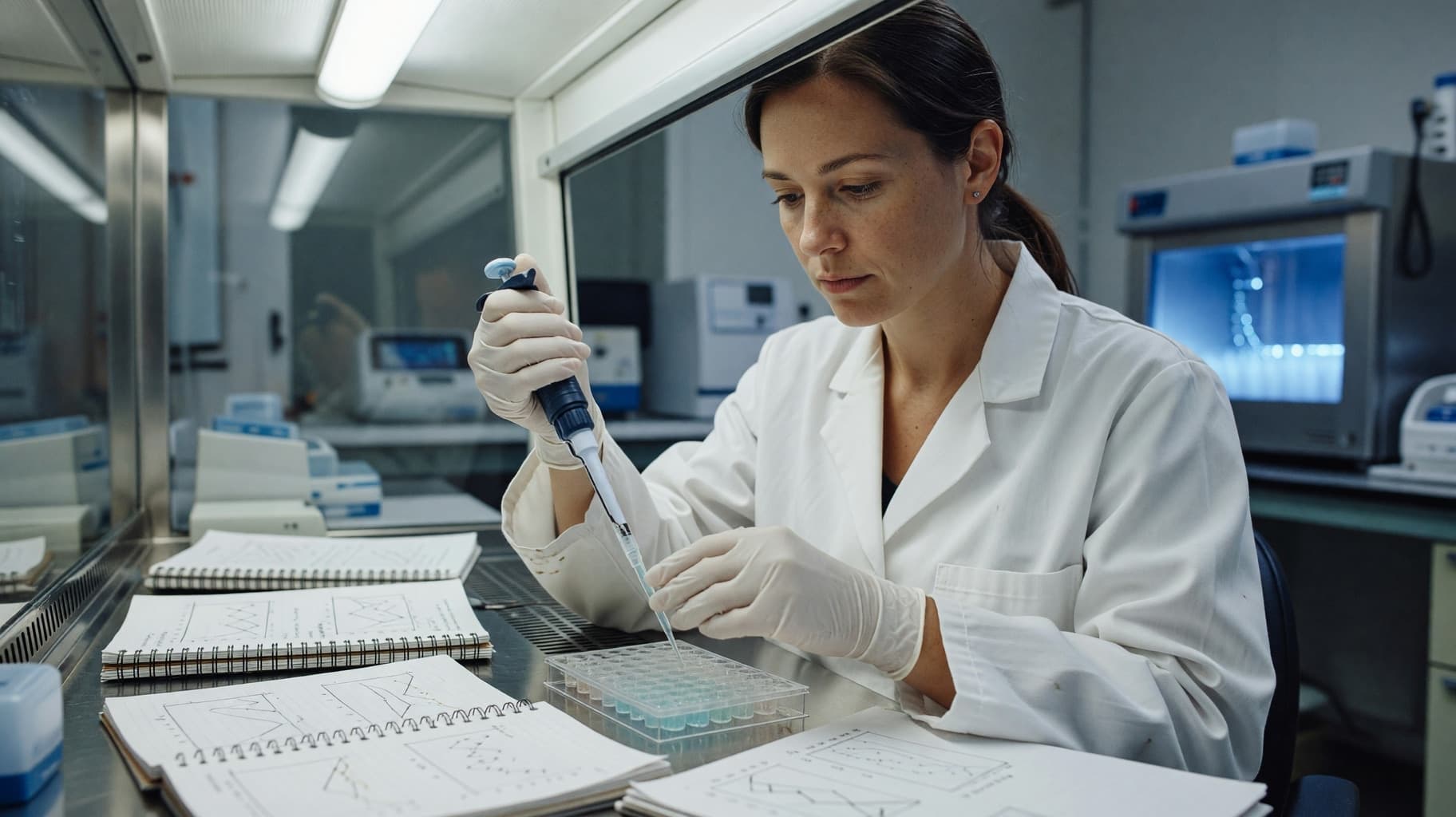
Figure 1: In-vitro potency of GHK-Cu on fibroblast collagen synthesis contrasted with translational gaps in human clinical evidence.
The most frequently cited statistic in GHK-Cu literature is its capacity to modulate gene expression on a massive scale. Analysis utilizing the Broad Institute Connectivity Map, as detailed by Pickart and Margolina, found that GHK-Cu alters the expression of approximately 31.2% of human genes at a ≥50% threshold. In PC3 and MCF7 cell lines exposed to 1 μM GHK, 268 genes showed increased expression while 167 were suppressed.
This dataset suggests the peptide functions as a broad-spectrum transcriptional modulator rather than a narrow agonist, shifting cellular states toward patterns associated with younger tissue and repair.
However, the provenance of this genomic data warrants scrutiny. Much of the comprehensive gene expression profiling originates from laboratories affiliated with Loren Pickart, who first isolated the peptide in 1973. While the Connectivity Map methodology is validated, independent replication of these specific regenerative signatures in large, diverse human cohorts remains limited.
The breadth of the claim—that over 4,000 genes are influenced—is derived from these specific analyses as noted by Evenskyn, and should be interpreted as a hypothesis-generating dataset rather than a universally confirmed consensus across all tissue types and patient demographics.
More granular in vitro work provides specific targets that support the broader genomic claims. Research published in BioMed Research International demonstrated that GHK-Cu increases mRNA expression of matrix metalloproteinases MMP1 and MMP2 at concentrations as low as 0.01 nM, while simultaneously upregulating TIMP1 across all tested concentrations up to 100 nM. This dual action is biologically significant.
It suggests the peptide does not merely stimulate new protein synthesis but actively regulates the enzymatic machinery responsible for removing damaged matrix.
Successful tissue remodeling requires both deposition and turnover; an imbalance would result in either fibrosis or degradation. The concurrent elevation of TIMPs alongside MMPs indicates a homeostatic regulatory mechanism in fibroblast cultures as described in ResearchGate abstracts.
When moving from gene expression to clinical outcomes, the data becomes less uniform. A frequently referenced thigh biopsy study compared GHK-Cu against vitamin C and retinoic acid. In this trial, increased collagen production was observed in 70% of subjects treated with GHK-Cu, compared to 50% with vitamin C and 40% with retinoic acid, according to coverage by Superpower.
While promising, this study had a small sample size and lacked the rigorous blinding standards of modern pharmaceutical trials.
Other clinical investigations into photoaging, summarized by RegenPeptides, have documented improvements in skin thickness and elasticity, but these trials frequently vary in duration, concentration, and vehicle formulation.
The absence of large-scale, multi-center randomized controlled trials prevents the establishment of standardized dosing protocols. Unlike retinoids or hydroxy acids, which have decades of standardized clinical validation, GHK-Cu evidence remains siloed in smaller studies. Clinicians interpreting the science must therefore distinguish between the high-confidence molecular data and the lower-confidence clinical extrapolation.
The genomic signature provides a mechanistic rationale for why the peptide might work, but it does not serve as proof of efficacy in a specific patient presentation.
Formulation Chemistry as a Biological Variable
A critical limitation in interpreting GHK-Cu science is the tendency to treat the molecule as a monolithic entity. In reality, GHK-Cu is a coordination complex whose biological activity is entirely dependent on its chemical state. Research published in Pharmaceutics emphasizes that the literature frequently conflates different species of copper-peptide complexes despite formulation-dependent variation in coordination state, speciation, stability, and toxicity.
The active moiety in a cell culture assay may bear little resemblance to the compound present in a topical serum or injectable solution after storage or application to the skin.
Copper delivery is the central pharmacokinetic challenge. The copper ion is the functional cofactor for lysyl oxidase, the enzyme required to cross-link collagen and elastin fibers. Without bioavailable copper, the peptide backbone alone may lack the full regenerative capacity observed in copper-supplemented assays. SourcePeptides notes that liposomal encapsulation studies using phosphatidylcholine vesicles have shown improved nuclear copper availability relative to free peptide controls in vitro.
This suggests that the delivery system is not merely a cosmetic vehicle but a determinant of biological activity. A formulation that fails to maintain the copper-peptide complex through the stratum corneum may deliver only free copper or free peptide, neither of which replicates the specific signaling profile of the intact complex.
This chemical sensitivity creates a divergence between North American and European research standards and regulatory classifications. In the United Kingdom, the MHRA classifies GHK-Cu primarily as a research chemical or cosmetic ingredient, as indicated by RegenPeptides, restricting medical claims and limiting the incentive for pharmaceutical-grade clinical trials. In North America, the compound circulates in both cosmetic and compounding channels, where preparation standards vary.
Injectable GHK-Cu data is largely preclinical or anecdotal; no large-scale RCTs support systemic regenerative claims for injectable forms, according to Rite Aid’s peptide guide. The lack of a standardized pharmaceutical reference product means that studies using compounded or cosmetic-grade materials may not be directly comparable.
Toxicity profiles also depend on speciation. Unbound ionic copper can be pro-oxidant and toxic at high concentrations, whereas the GHK-Cu complex is generally cytoprotective. Pharmaceutics research warns that distinguishing safe from toxic formulations requires species-resolved release measurement at the interface rather than bulk copper assays.
A product labeled "GHK-Cu" that has degraded due to pH incompatibility or oxidation may present a different safety and efficacy profile than the freshly prepared complex used in seminal in vitro studies.
This instability complicates the translation of laboratory findings to consumer or clinical products, where shelf life and user handling introduce additional variables.
The distinction between topical and injectable routes further fragments the evidence base. Topical applications face penetration barriers that cell cultures do not. While Dermatology Times reports on advanced delivery technologies designed to stabilize the tripeptide and assist movement within the skin, these proprietary systems are not universal. Injectables bypass the barrier but introduce systemic distribution and clearance questions that topical studies do not address.
Comparing a topical cosmetic trial to an injectable preclinical model is scientifically invalid, yet commercial discourse often blends these distinct data streams.
Researchers evaluating GHK-Cu must therefore read the methods section before the results. The concentration stated in nanomolars refers to the active complex at the point of application, not necessarily the total copper content on the label. The pH, buffer system, and presence of competing chelators all influence whether the molecule reaching the fibroblast resembles the one described in the Maquart or Pickart papers.
Until formulation science catches up to molecular biology, the "GHK-Cu" referenced in marketing materials and the "GHK-Cu" defined in rigorous biochemistry remain related but distinct entities.
The path forward for GHK-Cu research lies in closing the gap between genomic potential and standardized clinical verification. Future studies must prioritize independent replication of gene expression data in non-affiliated laboratories and employ formulation-controlled designs that account for copper speciation. Until such data emerges, the scientific community possesses a detailed map of the molecule’s mechanism but lacks the validated clinical coordinates to handle its use with pharmaceutical precision.
Further Clinical & Regulatory Context
For deeper analysis and cross-referenced evidence, see: - Core Pillar Guide: BPC-157 Pharmacology: Stable Arginate vs Acetate Salts - Related Clinical & Regulatory Context: TB-500 Fragment Versus Thymosin Beta-4: Actin Mechanisms and Evidence Gaps - Related Clinical & Regulatory Context: Orthopedic Peptide Evidence: Preclinical Tendon Repair vs. Human Regulatory Status