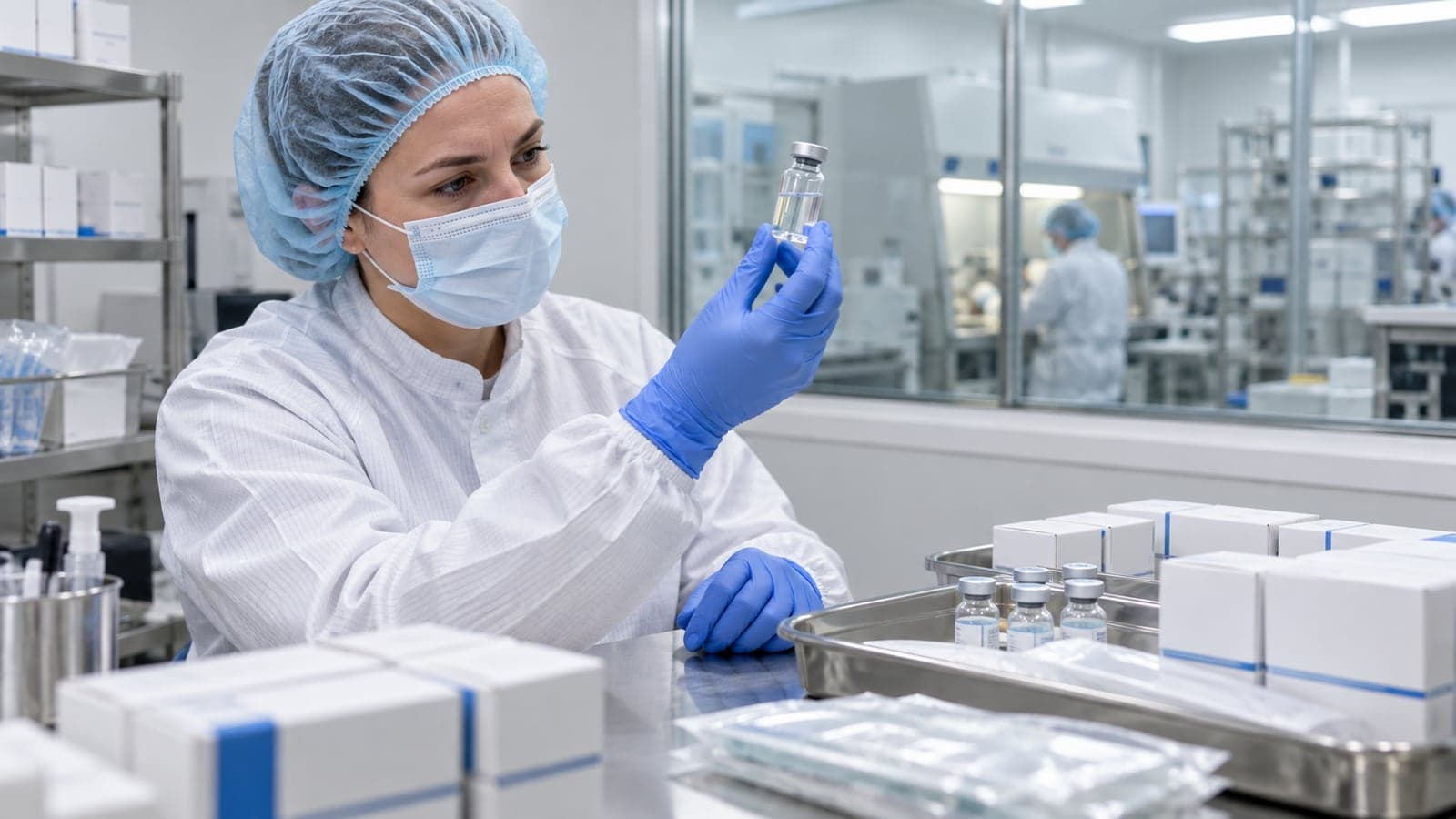
Centric Compounding Recalls Six Injectable Lots After Endotoxin Reports
An FDA-posted recall covers six lots of glutathione, Myer's Cocktail and Tri-Immune Boost injections. Patients and clinics should check the affected products.
Primary-source investigative journalism covering FDA Pharmacy Compounding Advisory Committee votes, 503A statutory guidance, clinical trial readouts, and independent HPLC lab audits.
An FDA-posted recall covers six lots of glutathione, Myer's Cocktail and Tri-Immune Boost injections. Patients and clinics should check the affected products.

Verified regulatory dockets and court actions filed this week.
A leadership change follows two manufacturing moves at CordenPharma. The announcements detail scale, but give buyers no new product-level quality results.

A new retrospective preprint counts 1,039 patients with documented BPC-157 use, offering a rare measure of demand while leaving clinical outcomes unresolved.
Hannah Waddingham is fronting the launch campaign for Paula’s Choice Pro-Collagen Peptide Plumping Intensive Moisturizer. The product uses three peptides, but its evidence remains product-specific.

Medik8 completed its Sephora rollout in August, placing products such as Liquid Peptides Advanced MP in 250 US stores and 147 Canadian locations.

A patient in Australia suffered a torn oesophagus after injecting a counterfeit vial labeled as retatrutide. TGA testing on September 14 found the product contained semaglutide at eight times the approved concentration.
Biodexa Pharmaceuticals PLC posted a £1.84 million loss in its latest interim results. The company continues to fund clinical development while consumer peptide marketing claims remain far ahead of clinical reality.

Gan&Lee Pharmaceuticals dosed the first participant in a randomized controlled trial of GZC8072 on 9 September 2026. The Phase 1 study enrolls 112 subjects to evaluate the pharmacokinetics of this once-weekly oral peptide GLP-1 receptor.

A September 10 Bloomberg report details how Eli Lilly is redirecting GLP-1 profits to fund research in bone health and endometriosis. No specific compounds, trial designs, or regulatory filings have been disclosed.

Promise distributed a release citing the 8-6-1 FDA advisory committee recommendation for BPC-157. The vote does not alter the legal compounding status of the peptide. Formal rulemaking remains pending.

The reclassification of 14 peptides toward Category 1 changes enforcement discretion for 503A compounders. It does not resolve statutory conditions or the evidentiary burden pharmacies assume.

System Labs raised $20M to build a vertically integrated peptide platform. The company plans to acquire active pharmaceutical ingredient manufacturing and expand across 50 U.S. states under state telehealth regulations.

San Carlos-based TwoStep Therapeutics closed an oversubscribed $62.5M Series A on September 10, 2026, backed by Pfizer and M Ventures, following FDA clearance of its investigational new drug application for peptide-drug conjugate TS-104.

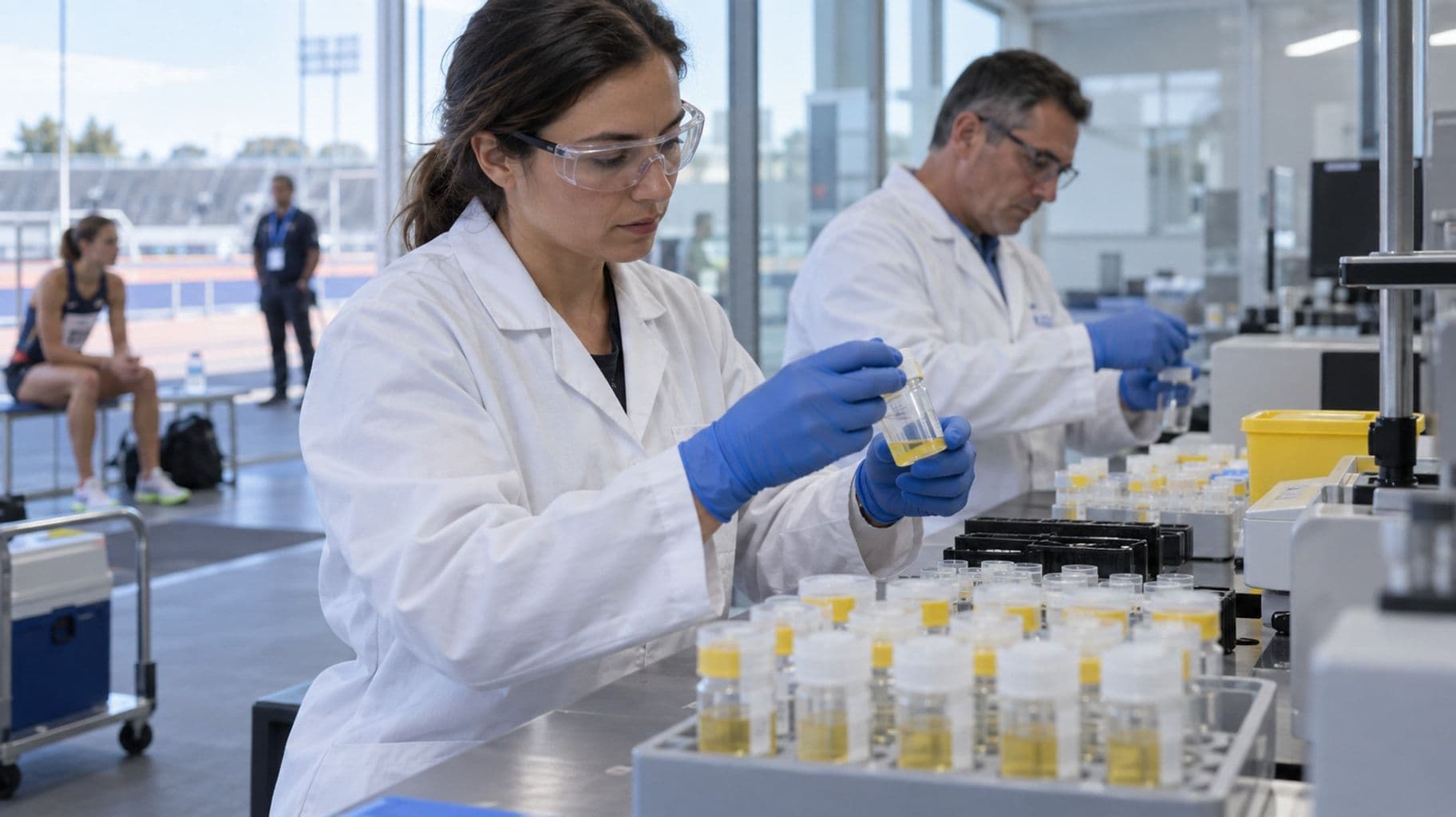
WADA kept semaglutide and tirzepatide off the 2027 Prohibited List on September 11. The compounds stay on the Monitoring Programme. Athletes face no strict liability for use during the 2027 season.

A new market forecast puts peptide-drug conjugates at $15.05 billion by 2035, while its disclosed assumptions show why investors should treat the number as a scenario, not a settled valuation.

A randomized controlled trial in 55 healthy volunteers and 12 patients with early-stage Parkinson's disease found the cyclic peptide TT-P34 was tolerated at all doses and achieved dose-dependent CNS exposure.

A scheduled peptide tasting event in Koramangala collapsed after Karnataka FSDA demanded manufacturer and dosing records from organizers Upsurge Labs LLP. Doctors flagged risks of unsupervised stacking.

Novo Nordisk CEO Mike Doustdar said unapproved compounds like BPC-157 and TB-500 have not gone through clinical trials. His remarks challenge the direct-to-consumer marketing machinery driving consumer uptake.

Kris Jenner has moved from customer testimonial to investor disclosure at Omi. The brand's hair-growth claims still rely on company-provided evidence.

The lawsuits concern unapproved sales now. A separate federal appeal asks how FDA should classify retatrutide if it reaches the market.

The 2026 guidance names pegmolesatide within an already prohibited class. That is different from moving a previously permitted substance onto the banned list.

Two simultaneous corporate transactions reveal how the commercial machinery behind GLP-1 manufacturing is consolidating peptide CDMO capacity faster than direct-to-consumer telehealth pipelines can absorb the supply.

WADA added semaglutide and tirzepatide to its 2026 monitoring list on September 1, 2026. GLP-1 receptor agonists remain permitted but face new surveillance for unintended performance consequences in elite athletics.

The U.S. FDA cleared Acepodia's IND for ACE723 on September 4, 2026, permitting a Phase 1 dose-escalation study in unresectable hepatocellular carcinoma. This marks the first clinical entry for the AD2C dual-payload platform.

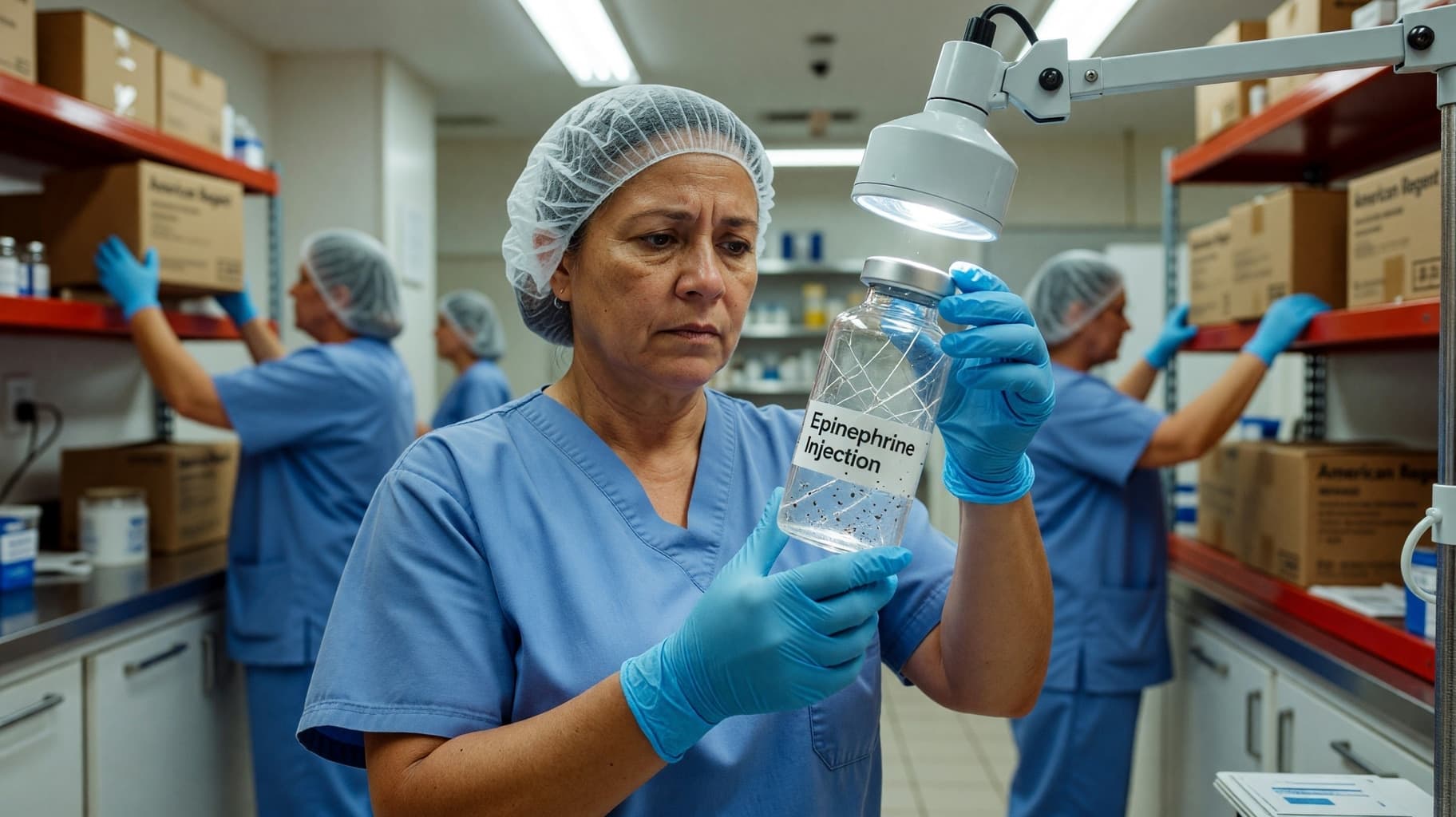
American Regent initiated a voluntary nationwide recall of three epinephrine injection lots on Sept. 3 after customer complaints revealed cracked vials containing nylon, glass, and polyethylene particulates that pose vascular occlusion.

Kenneth L. McCall analyzed 48 FDA-registered 503B outsourcing facilities. Only 11 underwent inspection. All 11 received multiple objectionable findings.

The FDA issued warning letters dated August 24, 2026, to five online vendors including Peak Performance Peptides and Tex Peptides. The agency cited unapproved new drug and misbranding violations for marketing retatrutide.

PCAC voted 7-5 to 8-6 to recommend BPC-157, KPV, TB-500, MOTS-c, Semax, and epitalon for the 503A Bulks List. FDA career staff opposed all seven. Compounding remains illegal.

The Philippines FDA cited Post-Marketing Surveillance findings to warn against Peptatide tirzepatide 15mg and its bacteriostatic water diluent. Establishments face regulatory sanctions for continued distribution.

A 652-patient observational analysis found gray-market retatrutide produced 7.2% weight loss at 6-12 months, less than half the 28.3% reduction observed in Eli Lilly's randomized Phase 3 TRIUMPH-1 trial, alongside a statistically.

Cosmo Pharmaceuticals announced positive Phase 3 topline data for clascoterone 5% topical solution in male androgenetic alopecia on September 2. This clinical milestone coincides with a DataM Intelligence forecast valuing the alopecia.

Seventeen biopharma reverse mergers were completed or planned in Q3 2026, a 1,600% increase over the single deal recorded in Q2. BioSpace data shows this volume nearly matches traditional IPOs as companies prioritize fixed valuations and.

The New York Times reported on August 21, 2026, that Bryan Johnson has autoimmune gastritis, a condition where the immune system attacks stomach lining. The diagnosis followed 11 years of unexplained low ferritin levels that extensive.

Facing severe hypertension and metabolic syndrome, UFC CEO Dana White adopted a targeted peptide regimen with Gary Brecka. Here is the exact stack, the biological mechanisms, and what clinical science actually shows.

Researchers report a general strategy for multicolour fluorogenic amino acids using tryptophan-induced quenching. These probes enable wash-free PD-1 imaging in activated T cells and identified avasimibe as a small-molecule modulator in.

FDA Import Alert 66-80 created a verified supplier list for GLP-1 active pharmaceutical ingredients. Research and Markets projects the compliant peptide synthesis market will grow from $4.4 billion in 2026 to $7 billion by 2035. This.

Serena Williams and Carlos Alcaraz will partner in the 2026 U.S. Open mixed doubles tournament following a wild card acceptance confirmed August 22. While digital communities speculate on performance-enabling recovery stacks, The Athletic.

A September 2 review by UCLA Health identifies an absence of randomized controlled trials for BPC-157 and TB-500 in human cohorts. Researchers cite potential safety issues and unverified manufacturing standards despite widespread marketing.

Jara MacDermott’s reduced sanction for physician-directed testosterone metabolites illustrates the gap between wellness clinic prescriptions and WADA strict liability in masters sport.

Zealand Pharma confirmed the initiation of Phase 3 registrational trials for petrelintide monotherapy in H2 2026 based on Phase 2 ZUPREME-1 results showing double-digit weight loss. This clinical milestone coincides with a September 2.

Bryan Johnson's September 12 X post referencing the BPC-157 and TB-500 'Wolverine Stack' for his dog arrived six weeks after an FDA advisory panel recommended the peptides for human compounding, a designation that does not extend to.

A reconstituted advisory panel voted against FDA staff recommendations on six of seven peptides, opening a rulemaking path for compounds with no completed Phase 3 trials.

In a regulatory divergence with few precedents, the FDA's Pharmacy Compounding Advisory Committee backed BPC-157 and five other peptides for compounding eligibility despite internal scientific dissent, even as the agency moved to.

The FDA's Pharmacy Compounding Advisory Committee narrowly backed BPC-157, TB-500, and four other peptides for small-scale compounding, even as the agency proposed a permanent exclusion of semaglutide and tirzepatide from large-scale.

By suing compounding pharmacies, medical spas, and online peptide sellers before retatrutide reaches a pharmacy shelf, Eli Lilly is asking federal courts to enforce a market boundary that does not yet exist in law.

Eli Lilly's dual GIP/GLP-1 agonist Mounjaro received FDA authorization to reduce cardiovascular death, heart attack, and stroke risk in adults with type 2 diabetes, matching Novo Nordisk's earlier Ozempic indication through a different.

The first participant received ASC30 in Ascletis' global Phase 3 program on August 30, 2026. The AURORA trials will enroll approximately 4,600 adults across the U.S. and Europe, though no interim efficacy data has been reported. The.

Teens are self-injecting peptides sold online as 'for research use only,' following tutorials on TikTok. FDA reviewers found the human safety data barely exists, and no agency has closed the regulatory gap that lets vendors ship unverified.

An eleven-year-old dog's mobility video went viral in August 2026, accelerating interest in the unapproved BPC-157 and TB-500 combination for pets. Veterinary researchers warn the evidence base consists of rodent studies and a single.

FDA Commissioner Marty Makary called it a new era of enforcement. Thirty telehealth companies received warning letters for marketing compounded GLP-1 drugs as equivalent to Ozempic and Mounjaro, with 15 business days to correct violations.

Samsung Biologics voted August 28 to raise 3 trillion won through a rights offering, dedicating most proceeds to its record PolyPeptide Group purchase and the rest to a sixth plant in Incheon. Shares fell on dilution concerns.

The Aug. 28 rights offering prices 2.27 million shares at 1.322 million won each, directing 2.71 trillion won to the Swiss CDMO deal and 294.8 billion won to Bio Campus II expansion.

The FDA issued an alert on August 27 linking at least 30 severe patient reactions to Medisca Inc. Lot 229536. The ingredient carried a dietary-supplement label but was compounded into IV drips by multiple pharmacies, bypassing sterility.

Six weeks after a single 79-year-old patient received compassionate-use retatrutide, Eli Lilly confirmed a formal expanded access pathway on August 3 and filed six lawsuits against black-market sellers nine days later. The dual strategy.

University of Pennsylvania researchers used the APEX model to scan 40.6 million venom-encrypted peptides and identified 386 candidates. Of the 58 peptides synthesized for bench testing, 53 killed drug-resistant bacteria without harming.

In a 3,417-patient Phase IIIa trial across 22 countries, Novo Nordisk's once-weekly CagriSema combination produced a 22.7% mean weight reduction and placed 60% of participants above the 20% loss threshold, exceeding semaglutide and.

The surge in social media posts showing aging dogs regaining mobility after BPC-157 injections has outpaced regulatory safeguards. While an FDA advisory panel recently voted to recommend six peptides for compounding, the agency maintains.

Seven Victorian patients hospitalized with acute liver toxicity after injecting counterfeit retatrutide have prompted doctors and the TGA to publicly raise a contaminated-batch hypothesis, though forensic testing has not yet identified the.

Liver transplant specialist Marie Sinclair reported a seventh Victorian patient with acute liver toxicity after injecting unapproved retatrutide. The TGA's Robyn Langham called the localized cluster a likely 'batch problem,' while Sinclair.

Liver transplant specialists in Melbourne are investigating a cluster of seven hospitalizations linked to counterfeit retatrutide. TGA officials suggest a localized 'batch problem' rather than inherent drug toxicity, highlighting the.

The Therapeutic Goods Administration has identified a 'localised' cluster of liver injuries in Victoria linked to counterfeit retatrutide. As the seventh patient is hospitalized, officials warn that unapproved products sold online bypass.

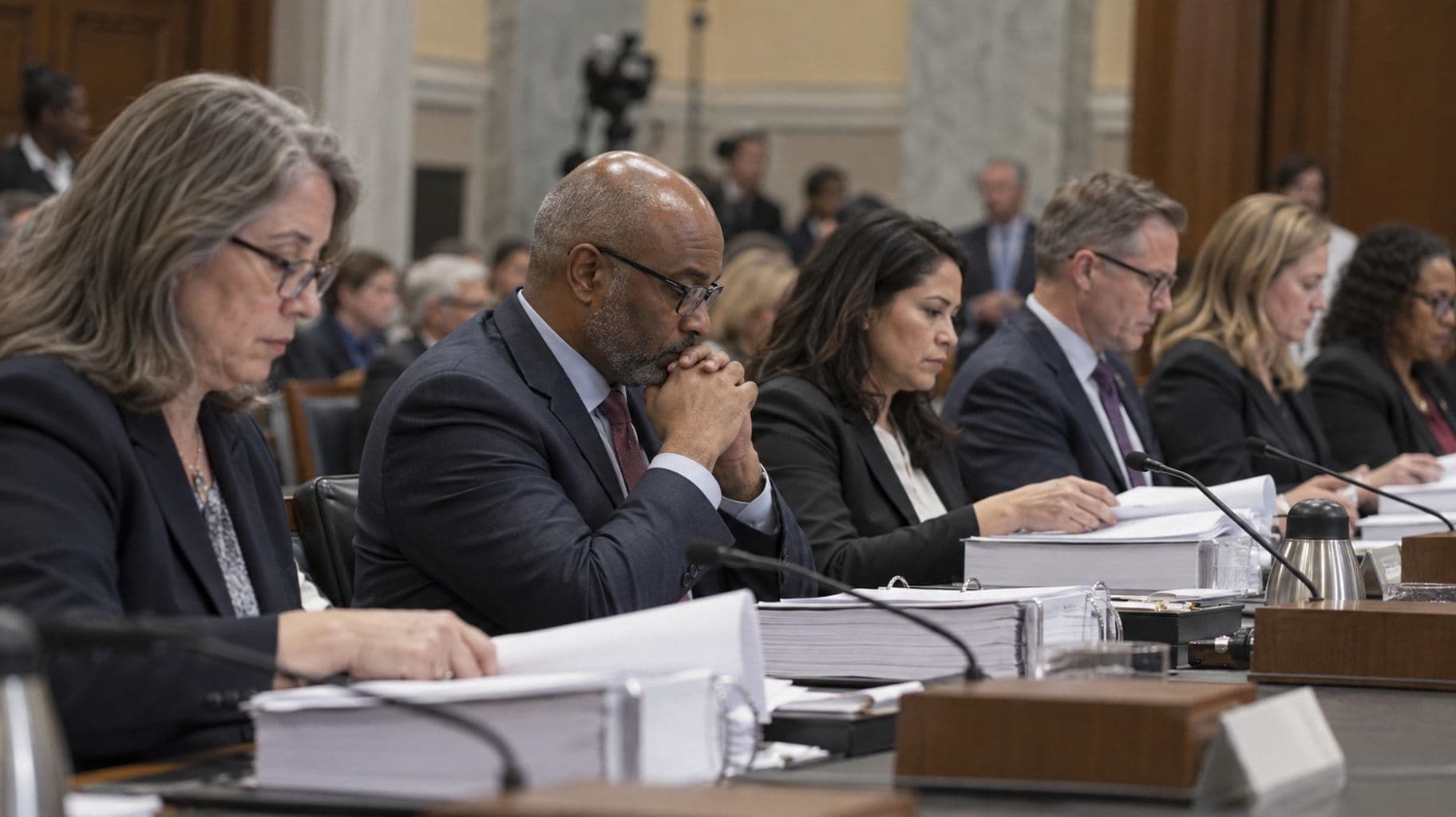
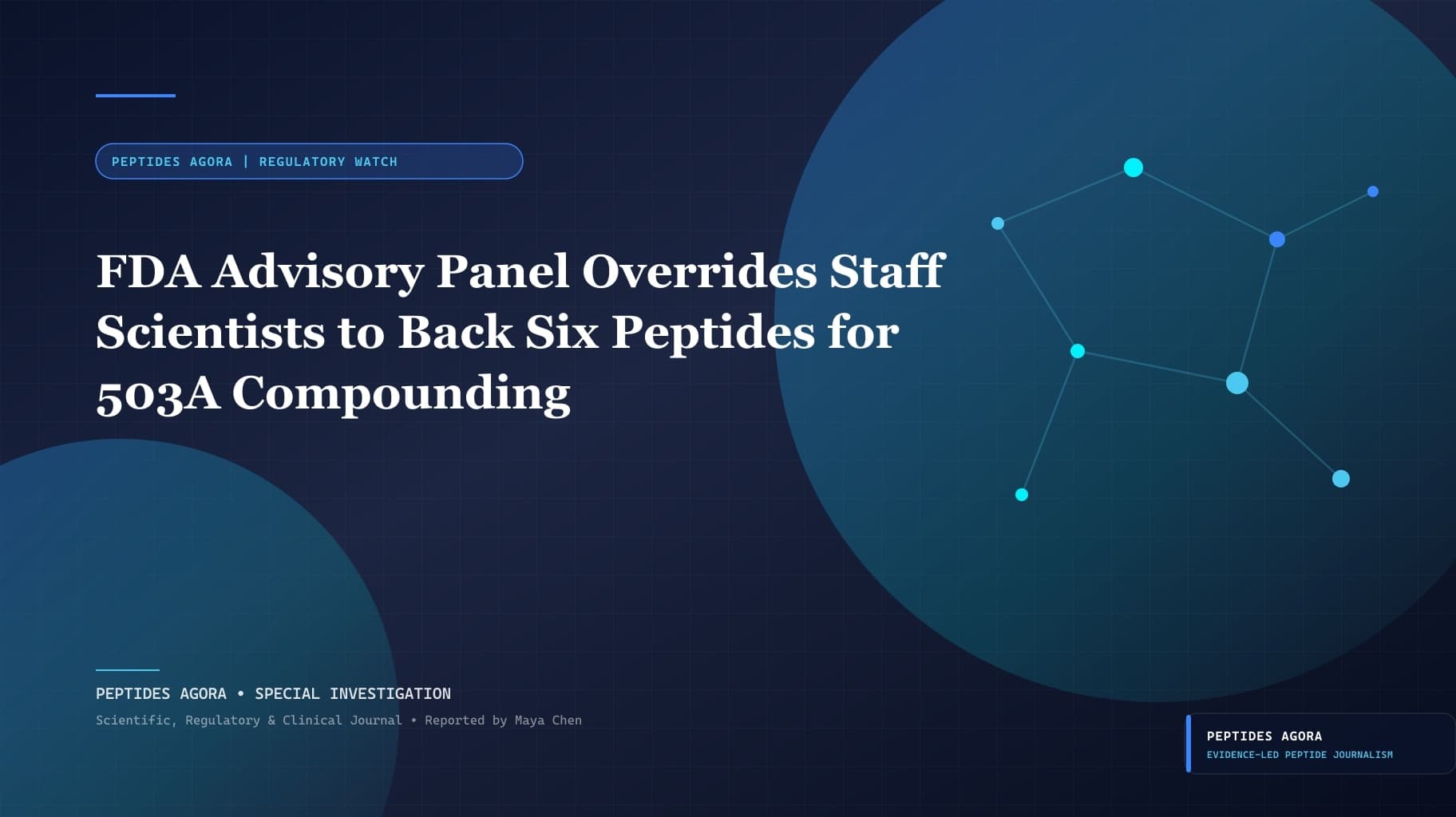
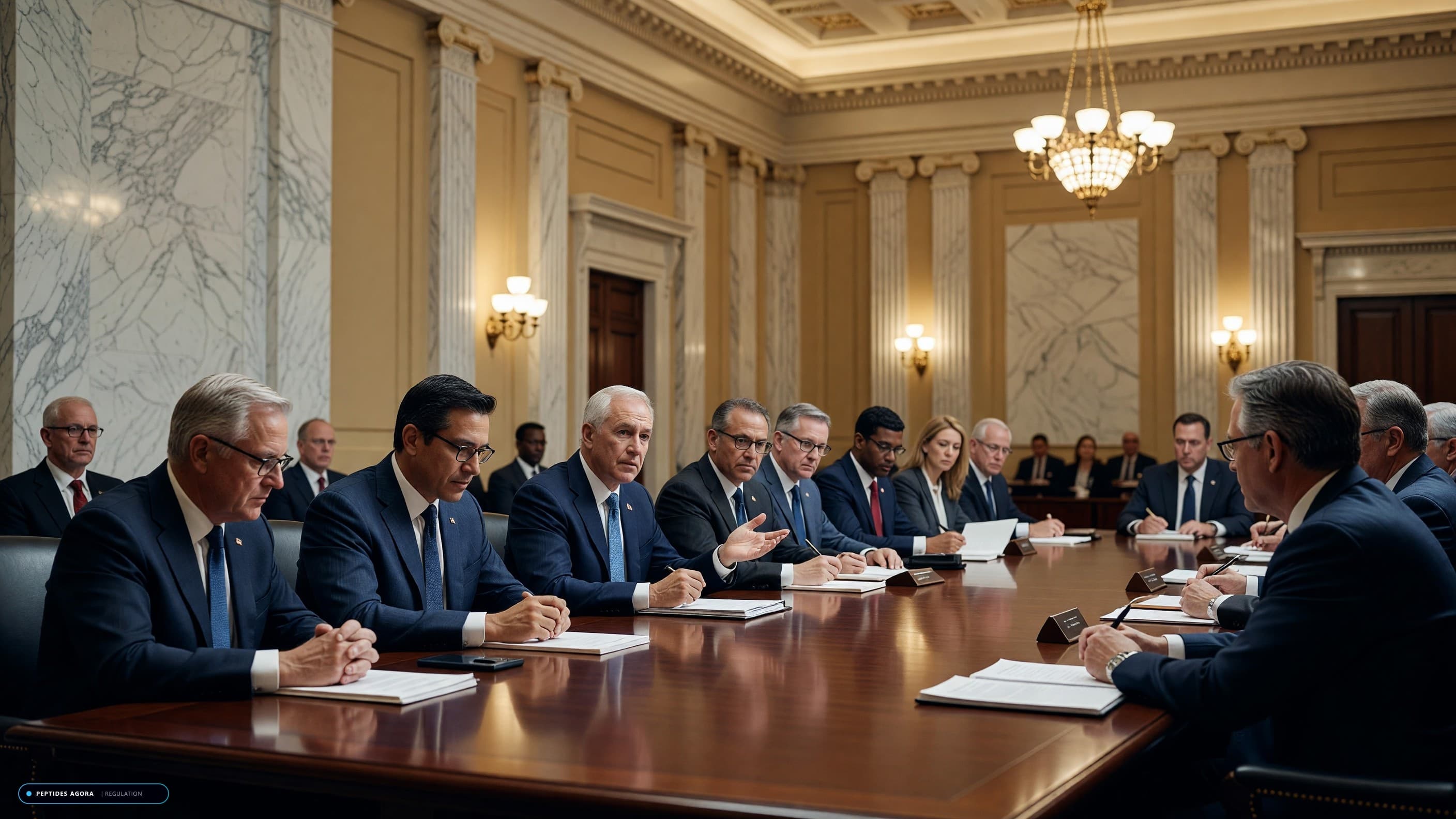
The FDA's Pharmacy Compounding Advisory Committee voted 8-6 to recommend BPC-157, TB-500, and four other peptides for the 503A Bulks List, overriding career scientists who cited insufficient safety data. A new viewpoint labels the panel.

Liver transplant specialist Dr Marie Sinclair confirmed the seventh case of acute liver injury linked to unapproved retatrutide in Victoria, raising the possibility that a contaminated counterfeit batch is circulating. The TGA calls it a.

In the REDEFINE 1 trial, Novo Nordisk's dual-mechanism injectable CagriSema delivered mean weight loss of 20.4% at 68 weeks, and 60% of adherent participants shed at least a fifth of their body weight, outpacing semaglutide or cagrilintide.

Sixty percent of REDEFINE 1 participants achieved 20% or greater body-weight reduction on the cagrilintide-semaglutide combination, a threshold previously linked to bariatric surgery. The drug has no FDA approval, no published price, and.

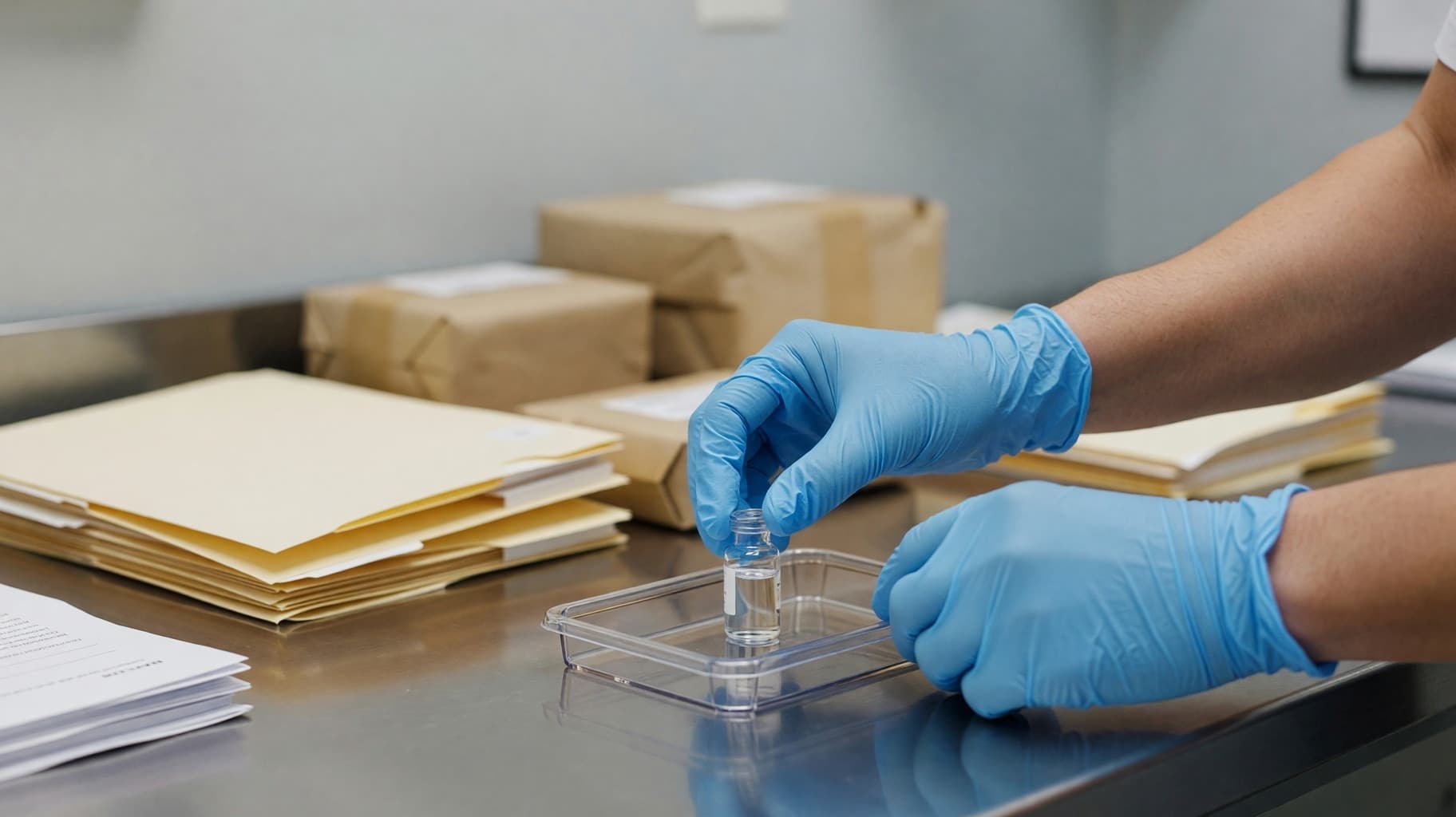
Houston-based Optimal Balance Pharmacy recalled lot LG342009076 of compounded glutathione on August 19, 2026, after pharmacy testing found elevated bacterial endotoxin levels. The FDA published the notice August 20. Two weeks earlier.

Thirty telehealth firms received FDA warning letters for implying compounded GLP-1 products were interchangeable with Wegovy and Zepbound. The letters carry a 15-day compliance deadline and threats of seizure.

After the FDA advisory panel's July 2026 vote on compounding access, dog owners are administering BPC-157 and TB-500 using dosing figures drawn from informal sources. No canine clinical trial supports the practice, and no veterinary.

Pet owners are injecting aging dogs with BPC-157 after viral mobility videos, while veterinary clinicians warn no published trial establishes a safe canine dose. The FDA's July advisory vote addressed human compounding only.

Weightlifter Jara MacDermott accepted a two-year ineligibility on August 20, 2026, for testing positive for canrenone, amphetamine, and testosterone. The sanction landed eight days after USADA publicly flagged BPC-157 as a banned peptide.

The FDA cleared oral semaglutide 25 mg as the first GLP-1 pill for weight loss on December 22, 2025. Truveta data shows the pill drew thousands of new patients into GLP-1 therapy. Eli Lilly's orforglipron awaits FDA review.

Kailera Therapeutics closed at $18.51 on August 18, down 28.8% from its record-breaking April IPO. The Waltham biotech, spun out of Hengrui Pharma, holds $1.17 billion in cash and a dual GIP/GLP-1 agonist in global Phase 3.

The USC gerontologist who identified MOTS-c is sounding the alarm on a thriving online trade that sells the mouse-exercise peptide to consumers without purity or sterility guarantees.

The Mequon, Wis., contract lab announced an expanded quality analytical testing platform for peptides, with Vector Science & Therapeutics as its first named client under a LyoGenesis Holdings agreement.

The FDA advisory panel voted to recommend compounding access for two longevity peptides, Epitalon and MOTS-c, while its own staff argued the evidence was insufficient. New expert reviews lay out how far the science remains from the.

A narrowly composed FDA advisory panel recommended placing six unproven peptides into a category that permits pharmacy compounding, over the objections of career scientists. The vote follows HHS Secretary RFK Jr.'s personal advocacy and.

Aizen Therapeutics, a San Diego-based AI biotech spun out of Caltech, has entered a multi-program collaboration with an undisclosed public partner. The deal includes upfront funding and up to $100 million in milestone payments per target.

FDA staff scientists recommended against every peptide under review. The advisory panel voted six through anyway, citing grey-market harm. Formal rulemaking now determines whether compounding pharmacies gain legal access.

The drugmaker is suing four online peptide sellers, a California med spa, and a compounding pharmacy for marketing an unapproved triple-receptor agonist to consumers under a 'research use' label.

Eli Lilly filed six federal lawsuits against compounding pharmacies, med spas, and online sellers marketing unapproved retatrutide as 'research-use only,' challenging a labeling convention the drugmaker says conceals illegal human.

On August 12, 2026, Eli Lilly sued Aesthetic Envy, Astra, and four other entities over alleged illegal sales of its investigational obesity drug retatrutide. The company has referred over 200 entities to regulators and flagged 14,000.

Eli Lilly filed six federal lawsuits on August 12, 2026, against Aesthetic Envy, Astra, Legendary Peptides, Striker Pharmacy, Texas Peptides, and Lone Star Peptide. The complaints allege these businesses sold illegal versions of.

The PCAC's July 23–24 votes to recommend BPC-157, Semax, and four other peptides for compounding eligibility override FDA scientists' unanimous opposition. Legal access still requires a rulemaking process with no set timeline.

A once-daily tablet from Structure Therapeutics achieved weight loss comparable to injectable semaglutide in a randomized trial, but the 230-person, U.S.-only Phase 2b design leaves open whether the access benefits of a small-molecule.

Two Stanford pathologists published an evidence review on August 12 separating FDA-approved peptide drugs from the unapproved compounds trending on social media, warning that most popular injectables have never entered a controlled human.

An 11-year-old dog's mobility transformation in a viral video has pet owners reaching for the same BPC-157 and TB-500 combination that biohackers call the Wolverine Stack. Veterinary professionals say no peer-reviewed trial supports the.

The FDA's Pharmacy Compounding Advisory Committee voted 8-6 on July 23 to recommend placing BPC-157, TB-500, and other peptides on the agency's bulks list, a shift that follows years of promotion by Joe Rogan, RFK Jr., and wellness clinic.

The July 23 PCAC vote recommended six peptides for human compounding despite career scientists citing absent safety data. The decision amplified demand across informal markets, including pet-care channels where no dosing evidence exists.

Social media celebrates the Wolverine Stack as a shortcut to rapid injury healing. Stanford Medicine and AMA experts counter that no controlled human trial has tested BPC-157 and TB-500 together, and the FDA's Category 2 designation bars.

Forensic analysis of peptides sold through Facebook Marketplace and Australia Post revealed empty vials, wildly inconsistent dosing, and trace heavy metals. Australia's TGA responded by elevating unapproved peptides to a priority.

Mike McKnight told Cam Hanes' podcast audience that BPC-157 healed his herniated disc and let him cancel surgery. USADA prohibits the peptide at all times. The FDA just voted to let compounding pharmacies make it.

On July 23–24, 2026, the FDA's Pharmacy Compounding Advisory Committee narrowly recommended six wellness peptides for the Section 503A Bulks List, overriding career scientists who advised against all seven compounds under review. Final.

An FDA advisory panel narrowly recommended reclassifying four unapproved peptides from a prohibited-compounding category to one that permits licensed pharmacies to prepare them. The vote does not constitute drug approval, and formal.

FDA career scientists recommended against all seven peptides under review. The advisory committee voted to advance six of them anyway, by margins as thin as 7-5, in a meeting shaped by eight members appointed weeks earlier.

Fourteen outside advisers split 8-6 to recommend six injectable peptides for compounding pharmacy access, rejecting FDA staff warnings that none has passed rigorous human trials. The non-binding vote aligns with Health Secretary RFK Jr.'s.

The FDA's advisory committee voted narrowly to recommend six popular peptides for compounding, overruling agency scientists who cited a lack of human safety data. The vote is a nonbinding recommendation that must survive formal rulemaking.

On July 23, 2026, the FDA's Pharmacy Compounding Advisory Committee voted 8-6, with one abstention, to recommend adding six peptides to the 503A compounding list, directly contradicting the agency's own scientific staff. The vote is.
Our news correspondents review official court transcripts, FDA Federal Register notices, USP sterility standards, and peer-reviewed PubMed publications prior to publication. No gray-market vendor sponsorships are accepted.