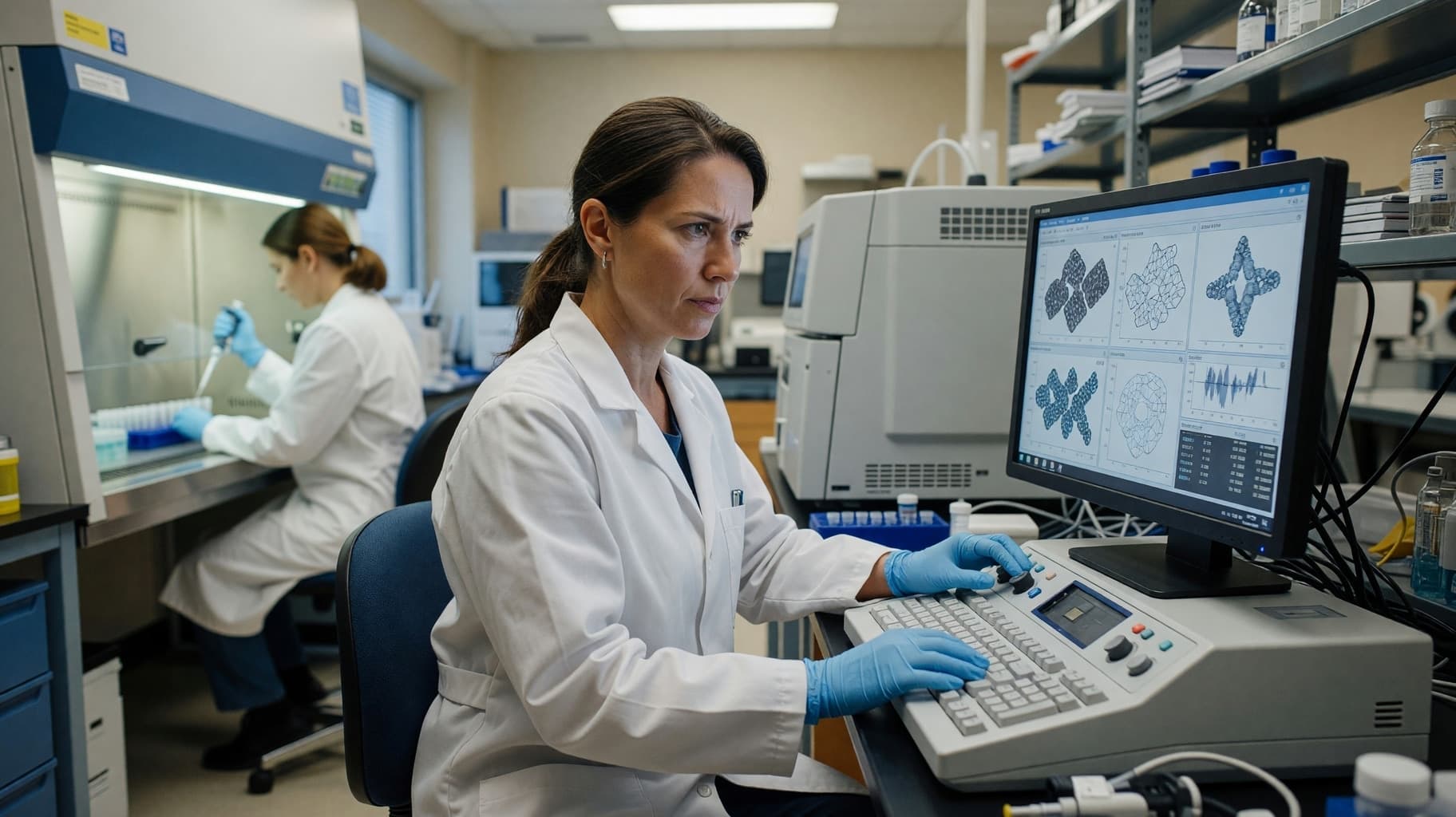
Nuclear magnetic resonance analysis identifies human beta-defensin-3 as a symmetrical dimer stabilized by three disulfide bonds in solution, yet this structural stability contrasts with findings from human nasal epithelial cells where hBD-2 treatment failed to fully restore barrier integrity following methicillin-resistant Staphylococcus aureus infection. While NMR data confirms the peptide resists proteolysis in buffered environments, biological assays contradict the functional necessity of this dimeric form, creating a discrepancy between biophysical models and observed tissue repair.
This gap defines current human beta defensins immunology research: structural biology has mapped the scaffold with precision, but functional validation in human mucosal contexts remains incomplete. The distance between a stable NMR structure and a healed epithelial barrier necessitates distinguishing molecular potency in controlled assays from efficacy in inflamed tissues where ionic strength and protease activity regulate peptide function.
Disulfide Topology and Manufacturing Constraints
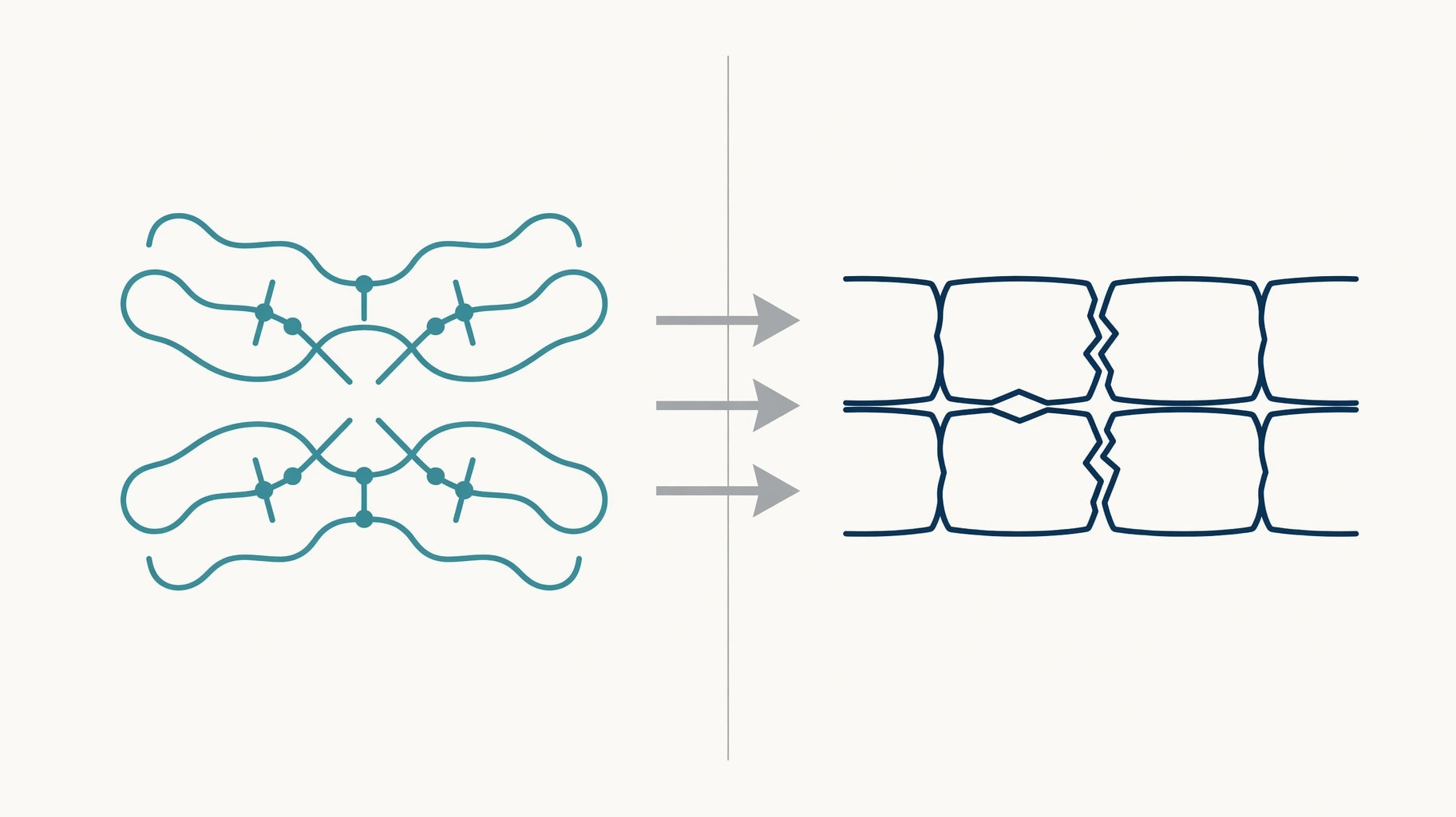
Figure 1: Comparison of hBD-3 NMR dimer stability versus incomplete barrier repair by hBD-2 in human nasal epithelial cells post-MRSA infection.
Beta-defensins utilize a specific cysteine connectivity pattern that dictates both their functional stability and manufacturing complexity. Unlike alpha-defensins, which pair cysteines in a 1-6, 2-4, 3-5 configuration and are stored in neutrophil granules, beta-defensins employ a 1-5, 2-4, 3-6 pairing that creates a rigid beta-sheet scaffold for continuous epithelial secretion. PeptideJournal reports that incorrect disulfide pairing during synthesis produces inactive or toxic misfolded products, making oxidative folding a critical quality attribute.
This manufacturing constraint applies universally across regulatory jurisdictions.
Both the FDA Immunogenicity Assessment guidance and EMA specifications require rigorous demonstration of correct folding for biological products, as structural integrity directly influences immunogenicity risk and biological activity. The three-disulfide core is not merely a stabilizing feature but an active requirement for function in protease-rich environments. Without correct connectivity, the peptide fails to adopt the amphiphilic structure necessary for membrane interaction regardless of sequence homology.
Structural stability in solution does not guarantee functional consensus in biological systems. NMR data published in Biochimica et Biophysica Acta indicates that hBD-3 exists as a symmetrical dimer consisting of three beta strands and a short N-terminal helix. This structural analysis confirmed that disulfide linkages provide resistance against proteases, yet subsequent biological studies contradicted the functional relevance of the dimeric form.
This ambiguity complicates rational analog design, as researchers must determine whether to target monomeric or dimeric states for therapeutic optimization. In the absence of definitive clinical correlates, structural models remain hypotheses rather than proofs of biological mechanism. The divergence between NMR data and functional assays suggests the peptide may exist in dynamic equilibrium in vivo, shifting between states based on local concentration and environmental factors difficult to replicate in vitro.
The protective function of these bonds extends to specific pathogen interactions. Frontiers in Cellular and Infection Microbiology notes that the compactness of the disulfide-stabilized structure preserves protein integrity in protease-dense spaces such as inflamed mucosa. Pathogens like S. aureus produce aureolysin and V8 protease that cleave host defensins, contributing to colonization in nasal mucosa. The three-disulfide core acts as a molecular shield against these bacterial countermeasures. Paradoxically, this same stability can mask antimicrobial potential.
Research on hBD-1 demonstrated that reduction of disulfide bonds unmasks potent antimicrobial activity latent in the oxidized form. This finding suggests the redox environment of the mucosal surface may regulate defensin activity post-secretion. In oxidizing environments typical of healthy epithelium, hBD-1 may serve primarily as a structural component or signaling molecule, becoming a direct antimicrobial effector only upon reduction triggered by inflammation or bacterial metabolism.
This redox-dependent activation adds regulatory complexity that static structural models cannot capture and that varies significantly across different mucosal niches.
MIC Benchmarks Versus Physiological Reality
Minimal inhibitory concentration data for beta-defensins reveals potent activity in controlled settings, but these values frequently fail to predict efficacy in physiological salt concentrations. The Antimicrobial Peptide Database classifies peptides as active if they demonstrate an MIC below 100 μM, and many beta-defensin analogs meet this threshold against susceptible strains. APD6 records indicate that defensins exhibit strong reported activity against both antibiotic-sensitive and resistant Acinetobacter baumannii strains, with mechanisms targeting bacterial membranes and intracellular components.
These benchmarks typically derive from low-salt buffer systems that do not replicate the ionic strength of respiratory or intestinal fluids. Physiological saline concentrations can reduce antimicrobial activity by orders of magnitude, effectively neutralizing peptides that appear potent in standard microbiological assays. Traditional antibiotic susceptibility testing protocols were not designed for cationic peptides that interact with plasticware and are sensitive to ionic strength, making standardization of MIC testing for defensins an area of active methodological debate.
Chimeric beta-defensin analogs have been engineered to overcome salt sensitivity. Research on synthetic analogs demonstrates that novel constructs, including the 3NI analog, display salt-resistant antimicrobial activity while lacking toxicity in human epithelial cell lines. These engineered variants represent a divergence from native biology, prioritizing functional retention in physiological conditions over strict sequence homology.
The success of such analogs indicates that natural evolution optimized defensins for specific local environments rather than broad-spectrum therapeutic use across diverse mucosal sites.
Synergistic interactions between defensin family members may partially compensate for individual limitations in vivo. In-vitro colony count assays revealed potential synergism between hBD-2 and hBD-4 in inhibiting bacterial proliferation, suggesting the immune system deploys defensin combinations rather than single agents. Patients with mucoid P. aeruginosa infections consistently showed detectable levels of both peptides, indicating that specific pathogen profiles trigger coordinated defensin responses.
The relationship between MIC values and clinical outcomes remains poorly correlated for beta-defensins because they function within complex mucosal matrices containing mucus, DNA, and host proteins that bind and sequester cationic peptides. Mechanistic insights from membrane simulations (Springer) note that while experimental studies have extensively characterized antimicrobial properties, the molecular mechanisms governing membrane interactions remain poorly understood. Electrostatic attraction driving initial binding to anionic microbial surfaces is competitively inhibited by host polyanions in inflamed tissue.
This limitation is particularly relevant for respiratory infections where mucus hypersecretion is a hallmark of disease pathology. Until physiologically relevant models are established, MIC data should be interpreted as a measure of intrinsic molecular potential rather than a predictor of therapeutic dose. Researchers examining defensin mechanisms in innate immunity must account for these environmental variables when translating preclinical findings to clinical study designs.
Epithelial Barrier Repair and Clinical Endpoints
The most clinically relevant test of beta-defensin efficacy occurs in human epithelial barrier models where structural repair is the primary endpoint. A 2025 study in Frontiers in Cellular and Infection Microbiology examined hBD-2 treatment in human nasal epithelial cells infected with methicillin-resistant S. aureus. The peptide partially reversed epithelial barrier dysfunction, demonstrating a protective effect against bacterial damage. However, this reversible effect was not sufficient to recover the mucosal epithelium to baseline integrity.
This partial recovery establishes that while hBD-2 contributes to barrier maintenance, it cannot single-handedly restore homeostasis once significant damage has occurred. Beta-defensins appear more effective as prophylactic or adjunctive agents than as standalone rescue therapies for established mucosal damage. The distinction between preventing barrier breakdown and repairing it is vital for clinical trial design, as enrolling patients with established chronic rhinosinusitis may yield negative results even if the peptide is effective at earlier disease stages.
ScienceDirect’s review of hBD-3 describes the peptide as a transcriptional convergence point linking innate immunity, endocrine signals, and tissue repair pathways. Expression is regulated by pattern-recognition receptors, inflammatory cytokines, growth factors, and nuclear transcription factors. This regulatory complexity means that exogenous administration of synthetic defensins may bypass essential feedback loops that coordinate repair with immune activation. Simply adding more peptide does not necessarily activate the downstream signaling required for complete tissue regeneration.
Immunomodulatory functions further complicate the barrier efficacy equation.
RethinkPeptides’ analysis notes that hBD-2 activates innate immune signaling through the CCR2/Nod2 pathway, bridging initial pathogen detection to full immune cascades. This signaling function is distinct from direct antimicrobial activity and may be equally important for barrier homeostasis, but it also introduces the risk of excessive inflammation if dosing is not precisely calibrated. In chronic inflammatory conditions like rhinosinusitis with nasal polyps, the goal is barrier restoration without exacerbating underlying immune dysregulation.
Current evidence supports continued investigation of beta-defensins as components of mucosal defense, but not as standalone therapeutics capable of reversing established pathology. A search of the ClinicalTrials.gov registry for "human beta defensin" with filters for active/recruiting Phase 3 trials returns zero completed efficacy studies for native peptides. The dimerization controversy remains unresolved, with structural biologists and functional immunologists operating from partially contradictory datasets. MIC benchmarks provide necessary but insufficient guidance for clinical dosing.
Epithelial barrier models demonstrate measurable but incomplete repair capacity. Investigators developing antimicrobial peptide therapeutics must now prioritize endpoints that account for the ionic and proteolytic reality of the mucosal environment over idealized in vitro systems.
The next step for the field involves validating whether partial barrier recovery observed in preclinical models translates to clinically meaningful symptom reduction in early-phase human studies, or whether combination approaches targeting both microbial load and host repair pathways are required to bridge the gap between structural stability and therapeutic efficacy.
Further Clinical & Regulatory Context
For deeper analysis and cross-referenced evidence, see: - Related Clinical & Pharmacological Analysis: Tuftsin Macrophage Activation: Neuropilin-1 Kinetics vs Clinical Efficacy - Related Clinical & Pharmacological Analysis: Thymic Peptides in Immunosenescence: Distinguishing Regeneration from Expansion - Related Clinical & Pharmacological Analysis: Cyclic Antimicrobial Peptide Pharmacology: LPS Binding Versus Renal Uptake