
The FDA placed CJC-1295 and ipamorelin on the 503A Category 2 bulk drug substances list. That administrative action prohibits their use in compounded preparations without enforcement discretion FDA. The classification carries a second consequence. No approved new drug application defines the long-term side effect profile for this combination because unapproved active pharmaceutical ingredients do not pass through the clinical trial and post-market surveillance machinery that generates longitudinal safety data.
The Evidentiary Boundary for Long-Term Adverse Events
Direct trials have not established the best combined regimen for CJC-1295 and ipamorelin or its long-term outcomes Rite Aid. Long-term human safety data for CJC-1295 specifically is limited. The hormonal effect of raising growth hormone and insulin-like growth factor 1 is documented. Long-term body-composition outcomes rest on user reports rather than large human trials.
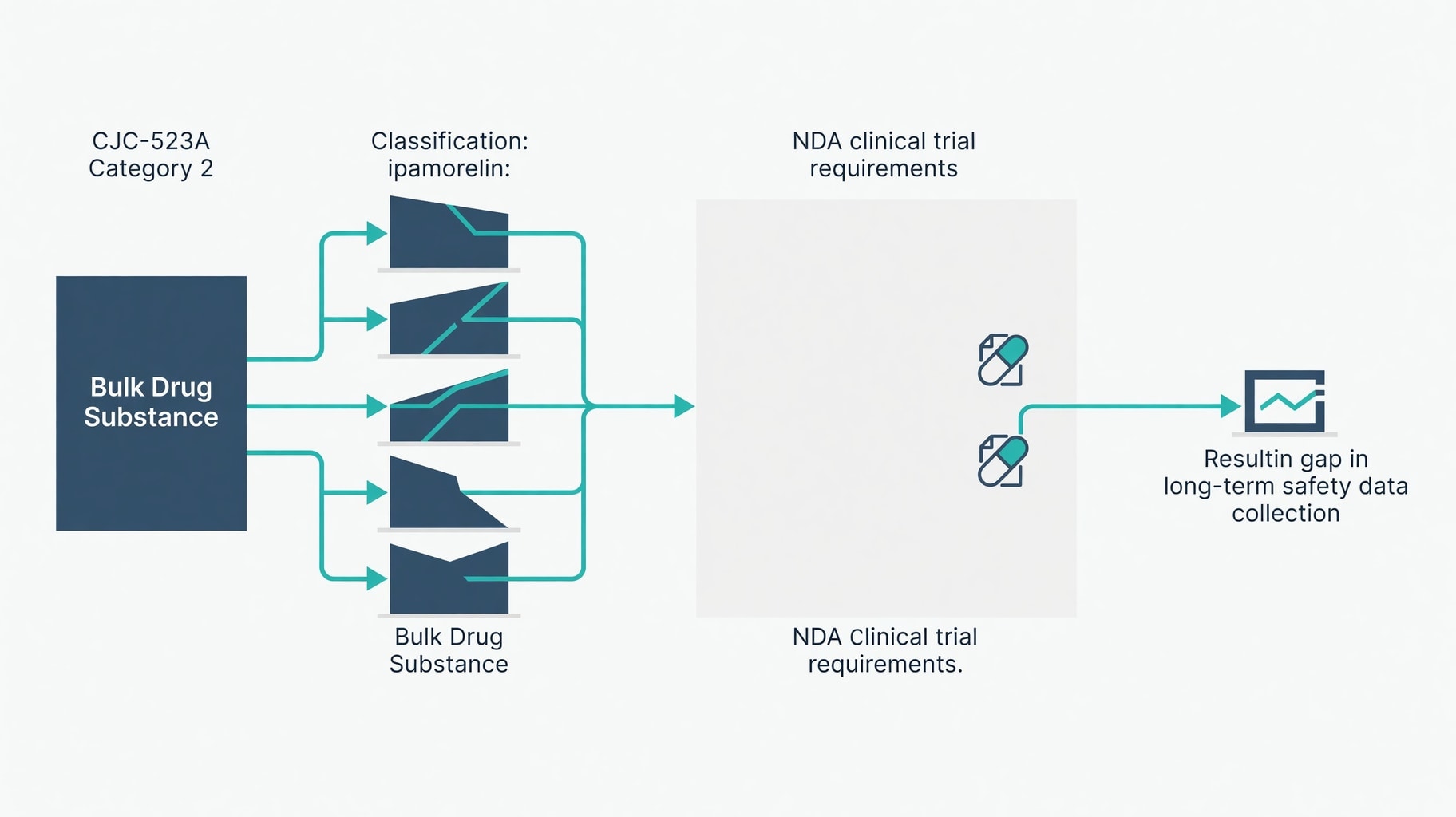
Figure 1: FDA 503A Category 2 placement and its impact on long-term safety data availability.
That gap is structural. Approved drugs accumulate adverse event reports through required post-market surveillance. Category 2 substances used in compounding do not. A fertility clinic review states that there is no long-term human data for CJC-1295 Inovi Fertility. Theoretical risks include hormonal imbalance and altered fertility. Extended use or misuse can decrease effectiveness or lead to hormonal suppression if the body downregulates its own endogenous pathways.
Another clinical summary notes that long-term effects are less well-documented due to limited research Eternity Health Partners. Readers evaluating the regulatory baseline for the combination should consult the cjc 1295 and ipamorelin guide.
Reported Side Effects in Clinical Literature
The side effects that appear in clinic literature and pharmacological summaries are mostly short-term. They tie directly to elevated growth hormone activity. Clinic records list injection-site redness, flushing, increased hunger, water retention, and mild headache Anderson Longevity Clinic. Other clinical summaries describe hormonal imbalances, joint pain, and increased cancer risk as concerns associated with overstimulating growth hormone Prisk Orthopaedics and Wellness.
Taking CJC-1295 and ipamorelin for too long or in high doses can lead to serious adverse effects due to prolonged elevation of growth hormone and insulin-like growth factor 1 levels. These include insulin resistance, hypertension, joint pain, water retention, and potential cardiovascular risks Dr. Dan Wool. Clinic literature warns of possible changes in insulin sensitivity and shifts in blood pressure or lipid levels in vulnerable individuals Inovi Fertility.
These are not findings from controlled longitudinal trials. They are clinical cautionary statements built on growth hormone pharmacology and short-term observation. For receptor-level distinctions between secretagogue classes, the ipamorelin vs ghrp mechanism guide applies.
Immunogenicity and Agency Warnings
The FDA warned that both CJC-1295 and ipamorelin carry immunogenicity risk. The body may interpret the peptides as threats and mount an immune response. Trade reporting notes that this warning includes potentially life-threatening outcomes such as anaphylaxis Innerbody. That is an agency-level safety flag.
Immunogenicity risk belongs in any long-term safety discussion because repeated exposure to a synthetic peptide can increase the chance of an immune reaction over time. The warning does not define a frequency or a long-term incidence rate. No post-market surveillance system collects that data for Category 2 substances.
Category 2 Classification and the 503A Statutory Threshold
The Category 2 designation operates as a statutory barrier. Under Section 503A of the Federal Food, Drug, and Cosmetic Act, a bulk drug substance must meet a statutory threshold to be lawfully compounded. Category 2 substances do not meet that threshold. The FDA guidance document on bulk drug substances for 503A compounding is the controlling record FDA.
For prescribers, the practical meaning is direct. A wellness clinic can write a cjc 1295 ipamorelin prescription, but the legal basis for compounding the preparation is absent unless the agency exercises enforcement discretion. That creates a liability asymmetry. The prescriber and compounder carry the statutory risk while the patient carries the clinical uncertainty of an unapproved active pharmaceutical ingredient.
Cross-border supply chains deliver the active pharmaceutical ingredient while U.S. enforcement policy determines the legal liability for the prescriber. The broader risk pattern for unapproved peptides outside clinical settings is documented in coverage of bengaluru peptide parties.
Monitoring Questions Without Approved Answers
Readers ask whether they can take cjc 1295 ipamorelin in the morning and cjc 1295 + ipamorelin how long to see results. The regulatory record does not answer these questions. Blood sugar can rise and insulin-like growth factor 1 should be kept within a sensible range rather than pushed indefinitely. No approved protocol defines the monitoring interval or the threshold at which long-term risk outweighs benefit Rite Aid.
Commercial interest in these timelines drives search volume, but it does not generate the statutory safety data required for approval.
Questions about whether cjc-1295 ipamorelin is safe, or when to take cjc 1295 ipamorelin, resolve to the same regulatory fact. The safety profile is unapproved. Queries regarding cjc 1295 ipamorelin tablets confront the same limitation, as the statutory barrier applies to the active pharmaceutical ingredient regardless of dosage form.
Patients evaluating formulations encounter the distinction between cjc 1295 without dac and ipamorelin. The cjc 1295 vs sermorelin comparison addresses that formulation question. Those evaluating sermorelin and ipamorelin as an alternative pairing will find a separate regulatory profile.
The evidentiary limit is the story. The FDA classified CJC-1295 and ipamorelin in a way that precludes the generation of the long-term side effect data that patients and prescribers are asking for. What exists is clinical caution, pharmacological inference, and an agency warning on immunogenicity. No approved longitudinal safety profile for this combination can exist under current law.