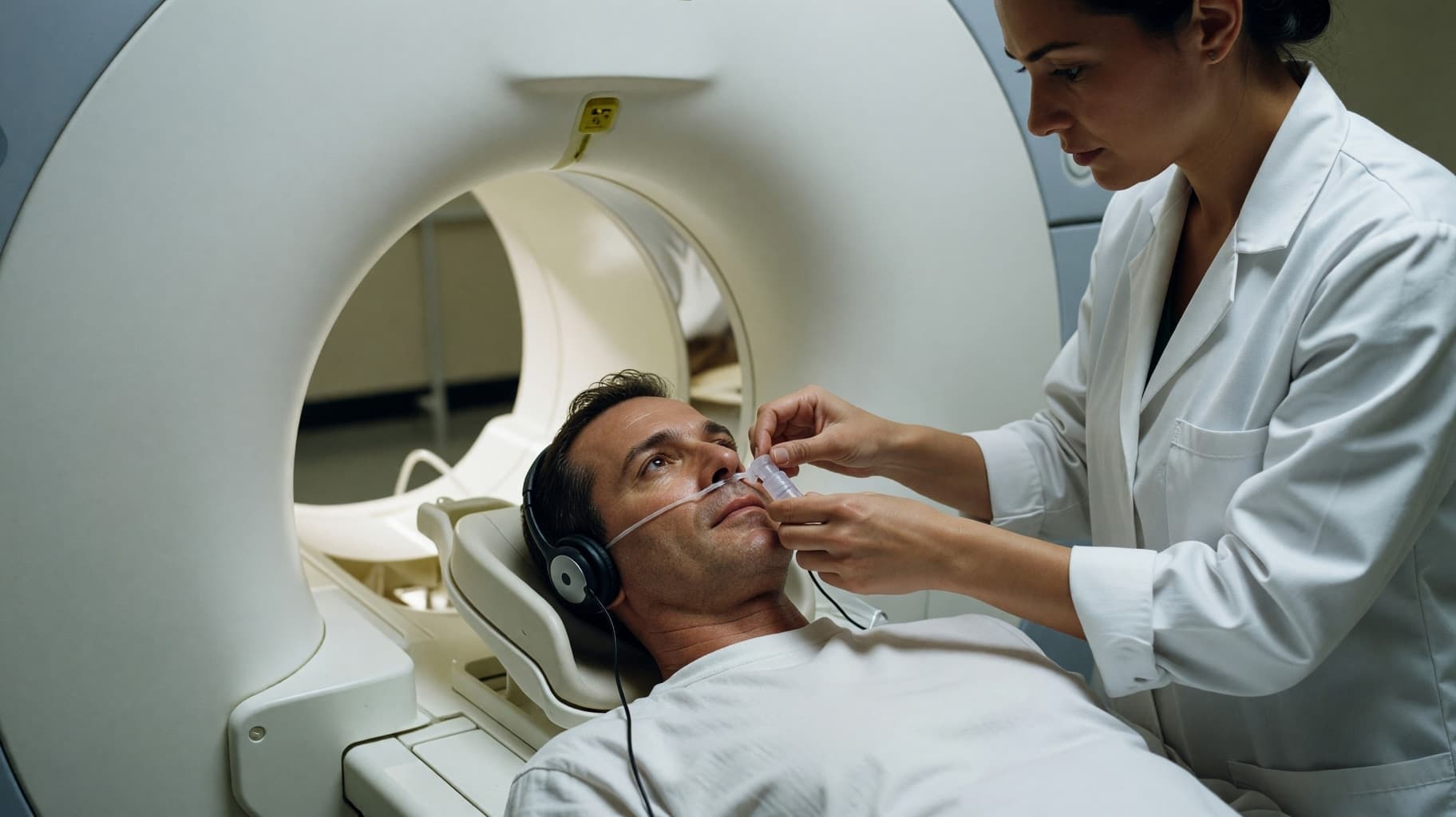
Wellness creators frequently market intranasal oxytocin as a universal social enhancer, but functional MRI evidence restricts its verified effects to a narrow 45-to-70-minute window of amygdala modulation that fails to translate into chronic behavioral benefits. Biological Psychiatry research confirms that a 24 IU dose inhibits fear-related amygdala reactivity in this specific timeframe, yet systematic reviews of long-term administration in autism spectrum disorder show neural connectivity changes without improvements in social responsiveness or repetitive behaviors.
This divergence separates measurable central nervous system penetration from therapeutic efficacy, establishing that acute biomarker shifts do not automatically yield the complex behavioral adaptations required for treating neurodevelopmental or trauma-related disorders. The compound reliably modulates threat-processing circuitry in controlled imaging settings, but these verified pharmacodynamic effects remain distinct from the broader social wellness claims circulating in English and Spanish-language health communities.
Temporal Constraints and Sex-Dependent Kinetics
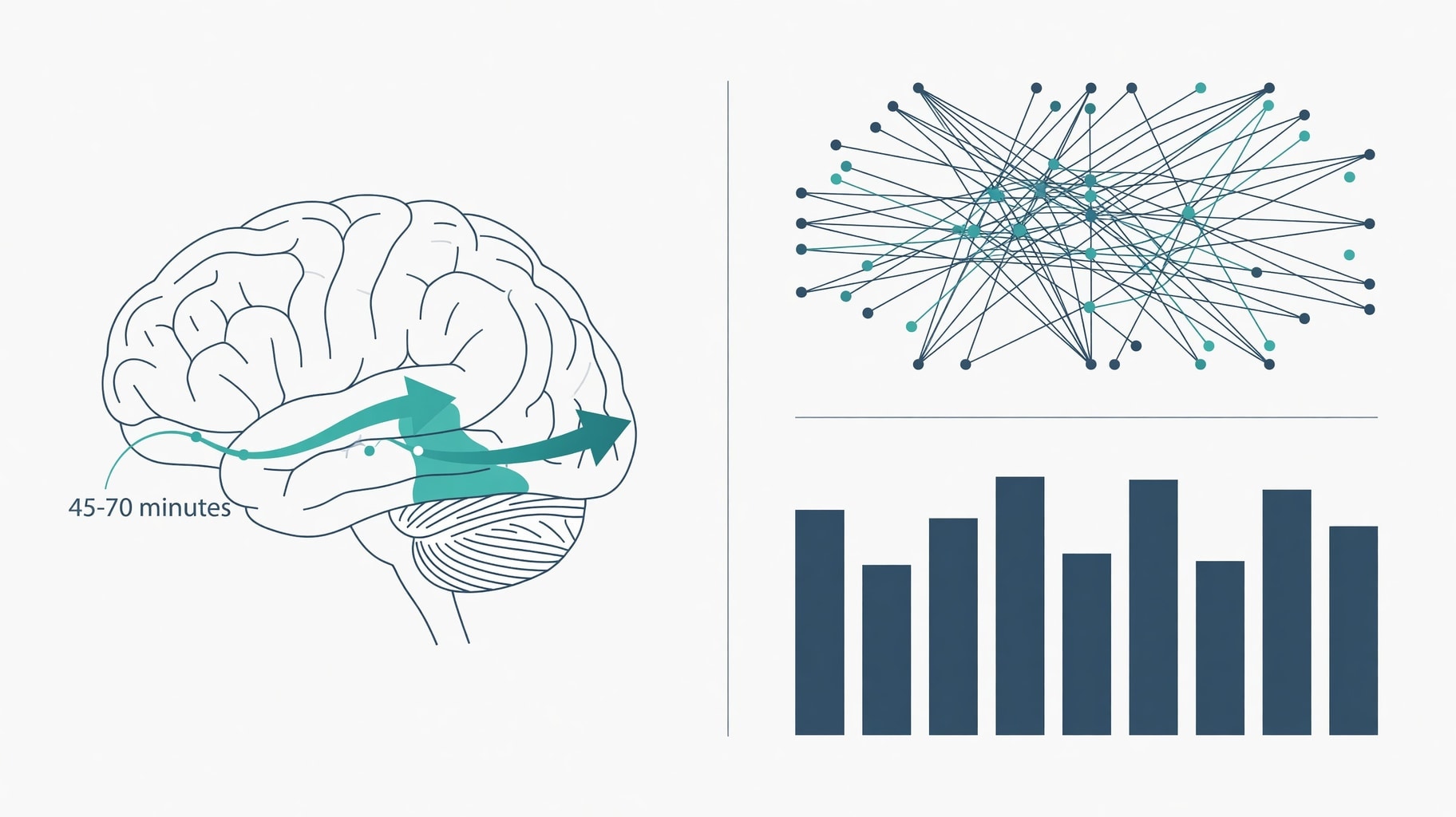
Figure 1: Temporal dissociation between acute amygdala modulation and lack of chronic behavioral gains in intranasal oxytocin administration.
The pharmacological reality of intranasal oxytocin adheres to strict temporal and biological parameters often absent from consumer health narratives. Spengler and colleagues established that the peptide’s inhibition of amygdala reactivity to fear stimuli is neither immediate nor sustained indefinitely. The effect peaks strictly between 45 and 70 minutes following administration of a 24 IU dose.
Outside this kinetic window, the neuroendocrine signal degrades, complicating attempts to pair the drug with unstructured social interactions or therapy sessions that lack precise timing.
Studies failing to capture data within this specific interval may incorrectly report null effects due to pharmacokinetic mismatch rather than biological inefficacy. This timing constraint is critical for interpreting clinical outcomes and distinguishing valid negative results from methodological errors in neuropeptide research protocols.
Sex differences further fracture the notion of a universal social effect. Accumulating evidence indicates that while 24 IU of intranasal oxytocin reduces amygdala responses to fear-related stimuli in men, it exerts inverse effects in women. Research on sex-dependent kinetics demonstrates that the peptide enhances reward system activity in both sexes but modulates threat circuitry differently based on biological variables.
A dose that dampens anxiety-driven amygdala hyperactivity in male subjects may fail to produce the same regulatory effect in female subjects.
This divergence necessitates sex-stratified analysis in clinical protocols and contradicts marketing claims presenting the molecule as a monolithic prosocial agent. Anecdotal reports of efficacy from one demographic cannot be reliably extrapolated to another, and standardized dosing guidelines currently lack the biological nuance required for consistent outcomes across populations.
Age introduces an additional layer of complexity to the translation from laboratory findings to consumer application. In young adults, intranasal oxytocin increases blood-oxygen-level-dependent signaling in the left temporoparietal junction, a region critical for social cognition. Older adults show decreased activation in the same region following identical dosing. These age-dependent and sex-dependent variations suggest that standardized commercial sprays cannot account for the biological heterogeneity of their user base.
The precision required for measurable neural modulation stands in stark contrast to the broad, uncalibrated application promoted in direct-to-consumer wellness spaces. When health content discusses oxytocin as a tool for connection or stress relief, it rarely specifies that the neural substrate for these effects is highly plastic and contingent on demographic factors determining whether the peptide acts as an anxiolytic or an anxiogenic agent.
Validating Nose-to-Brain Transport Against Commercial Delivery
A central question in peptide therapeutics involves whether intranasal delivery actually bypasses the blood-brain barrier or merely produces systemic effects via peripheral absorption. Preclinical and emerging human data support the biological plausibility of direct nose-to-brain transport, though definitive human pharmacokinetic proof remains an active area of investigation. Studies in macaques and humans demonstrate that oxytocin accumulates in cerebrospinal fluid following intranasal administration, confirming central nervous system exposure distinct from intravenous routes.
This distinction is vital because intravenous administration primarily targets peripheral receptors in the uterus and mammary glands, whereas proposed cognitive benefits depend entirely on central receptor engagement. Without verified central penetration, claims regarding social cognition or emotional regulation lack a biological foundation.
Mouse models provide kinetic validation that aligns with human neuroimaging timelines. Oxytocin concentrations in the extracellular fluid of the amygdala rose within 30 minutes of nasal application and remained elevated for an hour. This kinetic profile matches the 45-to-70-minute fMRI window observed in human amygdala reactivity studies, strengthening the causal link between olfactory transport and central modulation.
The olfactory epithelium provides a direct anatomical pathway to limbic structures, theoretically allowing the peptide to reach receptors in the amygdala, hippocampus, and nucleus accumbens without first undergoing hepatic metabolism or systemic dilution. This alignment between animal microdialysis data and human neuroimaging timelines offers the strongest available evidence that intranasal administration can deliver bioactive peptides to relevant neural circuits.
Significant translational gaps persist between laboratory validation and consumer products despite this biological plausibility. Much of the definitive microdialysis data comes from rodent models, and extrapolating these kinetics to human clinical dosing requires caution. Many studies demonstrating precise central delivery utilize specialized BreathPowered devices that optimize deposition in the posterior nasal cavity, where olfactory transport is most efficient.
Standard commercial spray bottles may not replicate this delivery efficiency, potentially resulting in lower central bioavailability and higher systemic absorption.
Positive findings in controlled laboratory settings using calibrated delivery systems cannot be assumed to apply to over-the-counter products with variable spray mechanics and unverified bioavailability. For consumers purchasing compounded sprays based on research headlines, the discrepancy between research-grade delivery and commercial availability represents a critical uncertainty.
The molecule possesses the capacity to modulate social brain circuits, but whether a specific product delivers a sufficient dose to the olfactory cleft to trigger this effect remains largely unverified outside controlled trial environments.
Understanding these delivery limitations is essential for evaluating wellness claims in bilingual media.
Neural Connectivity Without Behavioral Translation
The most critical finding for clinicians and patients is the persistent gap between acute neural modulation and chronic behavioral improvement. In pediatric populations with autism spectrum disorder, a single dose of intranasal oxytocin increases brain activity during social judgment tasks while decreasing activity during nonsocial judgments. Yale researchers demonstrated that social cognition centers responded more robustly to faces than to objects following administration, confirming acute target engagement.
This pharmacodynamic effect is reproducible and statistically significant, validating that the drug reaches intended neural targets and alters information processing in real-time. However, confirmation of target engagement has not translated into clinical endpoints that families and patients prioritize.
Acute target engagement does not predict long-term clinical benefit. A systematic review and meta-analysis of nine randomized controlled trials involving 415 participants with ASD found that chronic oxytocin treatment produced modest but statistically significant changes in amygdala-orbitofrontal cortex connectivity. Despite this verified neural shift, the analysis reported no significant improvement (Psychiatry Advisor) in core behavioral outcomes such as social responsiveness or repetitive behaviors. Brain circuitry changed, but daily functional experience did not.
This disconnect suggests that while oxytocin can transiently alter neural processing of social stimuli, these alterations are insufficient to reorganize entrenched behavioral patterns or compensate for developmental differences in social cognition over the long term. The durability of neural changes appears limited to the duration of drug exposure, without evidence of cumulative therapeutic gain.
This disconnect extends to trauma-related disorders where neuroendocrine modulation shows promise in imaging but lacks definitive clinical validation. In patients with post-traumatic stress disorder, intranasal oxytocin normalizes amygdala-prefrontal connectivity in sex-specific patterns correlating with reduced hypervigilance. Male PTSD patients showed enhanced connectivity between the right centromedial amygdala and left ventromedial prefrontal cortex, while female patients showed decreased connectivity between the right basolateral amygdala and dorsal anterior cingulate cortex.
These connectivity normalizations represent a clear pharmacological signal aligning with theories of fear extinction and safety learning. Yet translating these resting-state fMRI findings into durable symptom reduction remains unproven in large-scale chronic trials. Normalization of connectivity is a necessary but evidently insufficient condition for clinical recovery, indicating that neurobiological biomarkers can improve even when subjective distress and functional impairment persist.
Individual history and social context further complicate the translation from biomarker to behavior. Early life adversity shapes neural and behavioral responses to oxytocin in adulthood. A 2026 study in Translational Psychiatry found that oxytocin increased altruistic donations in individuals with high childhood adversity but reduced them in those with low adversity. This dose-by-environment interaction suggests the peptide does not uniformly enhance prosocial behavior but instead amplifies existing social strategies shaped by developmental history.
For individuals whose early environments rewarded social caution, oxytocin might reinforce withdrawal rather than engagement even if amygdala reactivity is successfully modulated. Similarly, intergroup dynamics add complexity. Rather than producing universal empathy, oxytocin tends to increase in-group bias across diverse social behaviors. Research on intergroup categorization indicates the peptide modulates social perception in ways favoring familiar groups over out-groups. This finding directly contradicts wellness narratives positioning oxytocin as a generalized social lubricant.
Pharmacological evidence suggests a molecule that intensifies salience and social bonding within established networks rather than one that indiscriminately lowers social barriers. ClinicalTrials.gov listing NCT06364228 currently evaluates intranasal oxytocin specifically for dementia caregivers, testing whether these context-dependent neural effects can reduce stress in a defined relational role where outcomes remain pending.
Further Clinical & Regulatory Context
For deeper analysis and cross-referenced evidence, see: - Related Clinical & Pharmacological Analysis: Neuropeptide Y and Stress Resilience: Separating Clinical Evidence from Wellness Claims