
Nanomolar concentrations of KPV inhibit NF-κB nuclear translocation and reduce pro-inflammatory cytokine secretion in Caco-2 cell assays and murine dextran sulfate sodium (DSS) colitis models through PepT1-mediated cellular uptake. This intracellular action stabilizes cytoplasmic IκBα to block inflammatory gene transcription without activating melanocortin receptors. Despite this defined pharmacological pathway, no completed human clinical trials have validated efficacy or established dosing for inflammatory bowel disease as of early 2026.
The FDA Pharmacy Compounding Advisory Committee briefing document confirms KPV lacks regulatory evaluation as a therapeutic agent, leaving current oral and topical protocols derived entirely from extrapolated murine survival data and unverified cell culture kinetics. This evidence gap places KPV firmly in the preclinical domain, distinguishing established molecular mechanisms from unproven human application.
Intracellular NF-κB Inhibition via PepT1 Transport
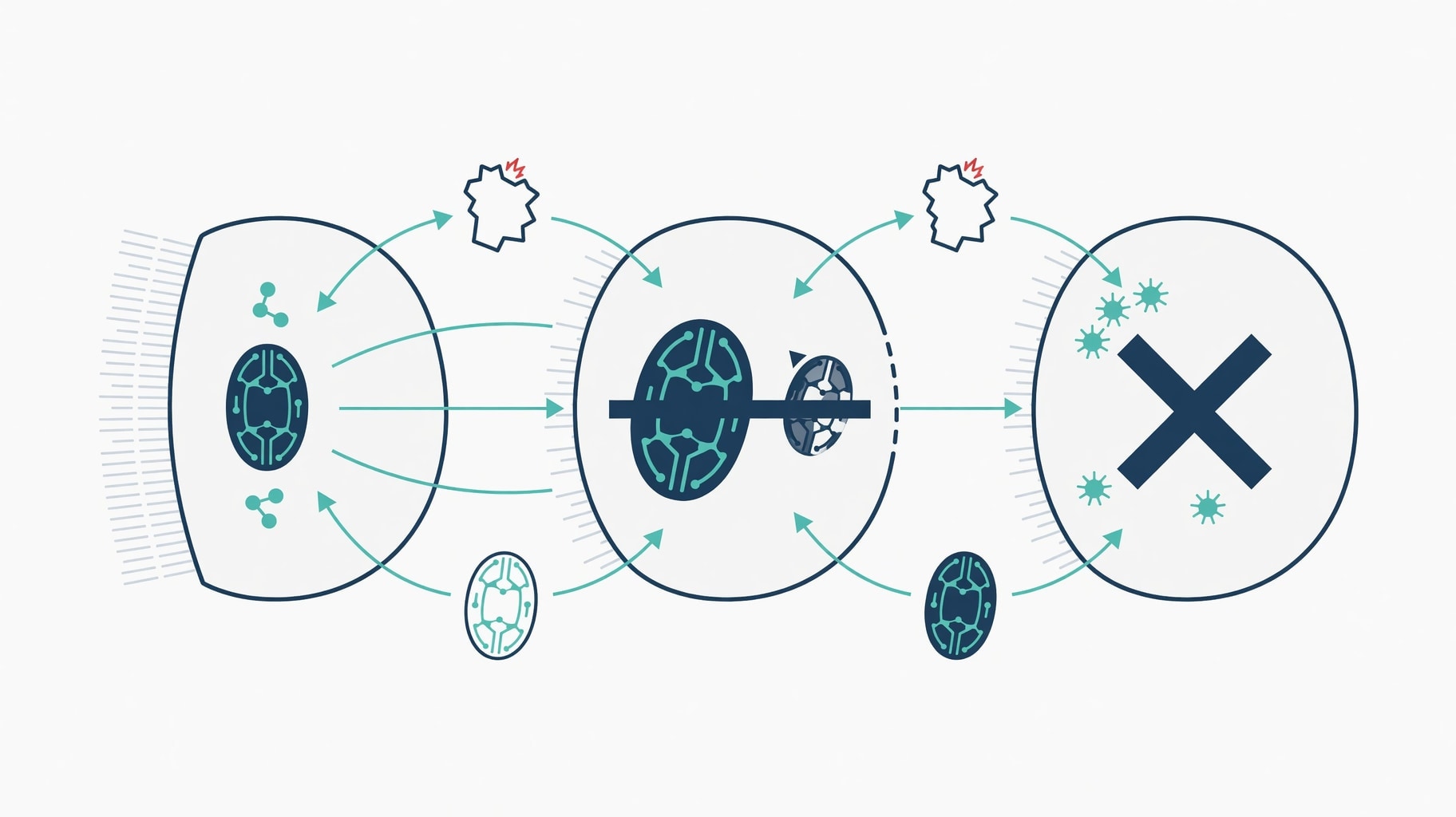
Figure 1: PepT1-dependent intracellular pathway of KPV inhibiting NF-κB in intestinal epithelial cells and DSS-colitis models.
KPV (Lys-Pro-Val) functions as an intracellular agent distinct from full-length alpha-MSH by exploiting the oligopeptide transporter PepT1 for cellular entry rather than surface receptor binding. Dalmasso et al. demonstrated in PubMed that nanomolar KPV concentrations inhibited NF-κB activation and reduced IL-8 and TNF-α secretion in Caco-2 human intestinal epithelial cells. This anti-inflammatory activity was abolished when PepT1 expression was silenced, confirming the transporter as the obligatory entry route.
Unlike larger peptides requiring endocytosis or passive diffusion, KPV uses a proton-coupled transporter normally responsible for di- and tripeptide absorption, allowing direct cytoplasmic access.
Once internalized, KPV interferes with the canonical NF-κB signaling cascade by preventing degradation of the inhibitory protein IκBα. Inflammatory stimuli typically trigger IκB kinase (IKK) to phosphorylate IκBα, releasing NF-κB p65 to translocate into the nucleus and drive gene transcription. KPV maintains NF-κB in its inactive cytoplasmic state, blocking downstream expression of COX-2, iNOS, and multiple interleukins. This stabilization mechanism differs from receptor antagonists that block extracellular ligand binding.
The concentration dependence observed in cell culture suggests high potency once intracellular access is achieved, though achieving these nanomolar concentrations in living organisms depends on transporter density and luminal peptide stability.
This intracellular mode of action separates KPV from other metabolic modulators currently under investigation. While research into mitochondrial-derived peptides and AMPK activation focuses on energy homeostasis, KPV targets cytoplasmic immune signaling directly. Similarly, comparisons of NAD precursors and mitochondrial peptides typically center on sirtuin activation rather than acute inflammatory transcription factors.
KPV’s specificity for the NF-κB pathway positions it as a targeted immunomodulator rather than a broad metabolic regulator, though this precision has only been mapped in non-human systems and cell lines.
Selectivity for the NF-κB pathway also distinguishes KPV from its parent hormone. Full-length alpha-MSH activates melanocortin-1 receptors (MC1R), producing pigmentation and appetite modulation. KPV retains anti-inflammatory potency without these endocrine effects. Preclinical validation in MC1R-deficient mice confirms that NF-κB inhibition occurs independently of melanocortin receptor binding.
This selectivity supports investigation of KPV for inflammatory indications where systemic MC1R activation would be undesirable, but it also means safety profiles derived from alpha-MSH research cannot be directly transferred to the tripeptide fragment.
Murine Colitis Outcomes and Oral Delivery Constraints
Preclinical validation rests primarily on two chemical colitis models: DSS-induced and TNBS-induced inflammation in mice. Dalmasso et al. reported in PubMed that oral administration of KPV at 0.5 mg/kg significantly reduced disease activity index scores, histological inflammation, and colonic cytokine expression in both models.
KPV treatment rescued all animals from death during DSS colitis in MC1R-deficient mice, reinforcing the PepT1/NF-κB axis as the primary therapeutic pathway independent of melanocortin signaling. These survival and histological endpoints provide the strongest evidence for oral efficacy but remain confined to acute chemical injury models.
Oral bioavailability in these models is not a passive property but a consequence of pathological upregulation. PepT1 expression increases significantly in inflamed murine intestinal tissue compared to healthy controls. This inflammation-dependent transporter upregulation creates a targeted delivery mechanism where the peptide enters cells most efficiently at sites of active disease. This dynamic presents a major translational uncertainty.
Healthy human intestines express lower PepT1 levels, and the kinetics of KPV absorption in non-inflamed human tissue remain uncharacterized.
Oral efficacy in mice may therefore depend on the very pathology the treatment aims to resolve, creating a potential ceiling for therapeutic effect as mucosal healing reduces transporter availability.
Delivery technology research attempts to address these pharmacokinetic limitations. Xiao et al. developed hyaluronic acid-functionalized nanoparticles for oral KPV delivery in ulcerative colitis models, exploiting CD44 overexpression on inflamed colonic epithelium to enhance targeted release and mucosal uptake. Their study, indexed as PubMed, reported accelerated mucosal healing compared to free peptide administration. While technically sophisticated, this formulation remains experimental and has not entered human clinical testing.
The necessity for engineered delivery systems suggests native KPV absorption may be insufficient for consistent therapeutic effect without formulation enhancement.
The distinction between gut-targeted and systemic peptides is relevant for clinical positioning. Peptides investigated for tendon and ligament repair such as BPC-157 are often evaluated for musculoskeletal indications via systemic or local injection routes. KPV’s PepT1 dependence ties its activity specifically to the gastrointestinal lumen and epithelium. Systemic administration bypasses the transporter-mediated mechanism that defines its preclinical profile.
Researchers evaluating KPV for extra-intestinal indications must therefore provide alternative mechanistic evidence, as the NF-κB inhibition data is inextricably linked to intestinal transport biology and may not generalize to non-gut tissues.
Secondary endpoints in murine studies suggest additional biological activities beyond NF-κB inhibition, including antimicrobial effects against gut pathogens and promotion of tight junction integrity. Transepithelial electrical resistance measurements and barrier function assays indicate mucosal repair effects that may be downstream of reduced inflammation or independent of it. These findings remain secondary to the primary NF-κB mechanism and lack the same depth of genetic validation.
Barrier repair endpoints are often correlative in colitis models, making it difficult to distinguish direct trophic effects from secondary recovery following inflammation resolution. Such claims in commercial literature currently lack independent human validation.
Absence of Human Efficacy Data and Regulatory Status
Despite two decades of preclinical characterization, no completed human clinical trials have established KPV efficacy for inflammatory bowel disease or any other condition. As of early 2026, all available data derives from cell culture and animal models. A search of ClinicalTrials.gov for KPV peptide returns no posted results for human IBD populations. This absence is not merely a gap in publication but a complete lack of registered, completed efficacy trials.
Dosing protocols used in compounding and research settings are extrapolations from murine mg/kg data, adjusted for human body weight without pharmacokinetic validation or safety monitoring.
Regulatory silence on both sides of the Atlantic reinforces this evidence gap. Neither the FDA nor the EMA has approved KPV as a pharmaceutical product or evaluated it as a new drug application. The FDA PCAC briefing document notes KPV is promoted for inflammatory bowel diseases, colitis, and Crohn’s disease despite lacking approved status.
In the European Union, KPV does not appear in the EMA’s centralized authorization database or in national pharmacopeias as an approved active substance.
The compound exists in a regulatory category of research chemicals and compounded preparations without standardized manufacturing or clinical oversight. Long-term human safety data does not exist, and adverse event reporting is not systematically captured.
The translational barriers extend beyond missing trials to fundamental biological differences. Human PepT1 transport kinetics may differ from murine kinetics in substrate affinity, expression density, and regulation by inflammatory cytokines. The MC1R-independent mechanism validated in MC1Re/e mice has not been confirmed in human intestinal biopsies or primary human immune cells.
The relationship between KPV and melanocortin receptors remains unsettled even in preclinical literature, with some sources attributing effects to MC1R binding while others demonstrate MC1R-independent NF-κB inhibition.
This unresolved basic science further complicates human translation and dose selection.
Ulcerative colitis is now understood as a disease driven by long-term interactions among mucosal immunity, barrier disruption, and microecological imbalance rather than a single pathological event. Single-target NF-κB inhibition may not address this multifactorial pathology in human patients. The DSS and TNBS models reproduce certain features of human colitis but fail to capture the full complexity of human immune dysregulation, genetic susceptibility, and environmental triggers.
Antimicrobial and barrier repair claims circulating in commercial literature are model-specific and may not predict human microbiome interactions or mucosal healing in chronic IBD.
Pending investigations must establish whether PepT1-mediated uptake occurs at therapeutically relevant concentrations in human intestinal tissue and whether NF-κB inhibition translates to measurable clinical endpoints in IBD populations. A registered study, ClinicalTrials.gov, lists KPV-related compounds as interventions but has not posted results or confirmed completion.
Until human efficacy data emerges from this or similar trials, the KPV peptide mechanism remains a well-characterized murine phenomenon with unproven clinical utility and no established safety profile.
Further Clinical & Regulatory Context
For deeper analysis and cross-referenced evidence, see: - Related Clinical & Pharmacological Analysis: BPC-157 in IBD: Preclinical Repair Mechanisms Versus Absent Human Efficacy Data