
In a Phase 3 randomized controlled trial of patients with critical COVID-19 respiratory failure, intravenous vasoactive intestinal peptide aviptadil did not achieve statistical significance for the primary prespecified endpoint of being alive and free from respiratory failure at day 60. When controlling for baseline ventilation status, the odds ratio was 1.6 with a 95% confidence interval of 0.86–3.11 (PubMed).
This regulatory-grade failure stands in direct tension with earlier expanded access data and persistent mechanistic evidence supporting alveolar cytoprotection.
The divergence between statistical failure and biological plausibility defines the current research status of this synthetic peptide. While the primary endpoint was not met, subsequent pooled analyses and expanded access protocols reported significant improvements in 60-day recovery and survival in specific subgroups, creating a complex evidence base where regulatory failure coexists with signals of biological activity (Encyclopedia).
This necessitates a strict distinction between verified pharmacodynamics at the VPAC1 receptor and unconfirmed clinical utility in acute respiratory distress syndrome (ARDS).
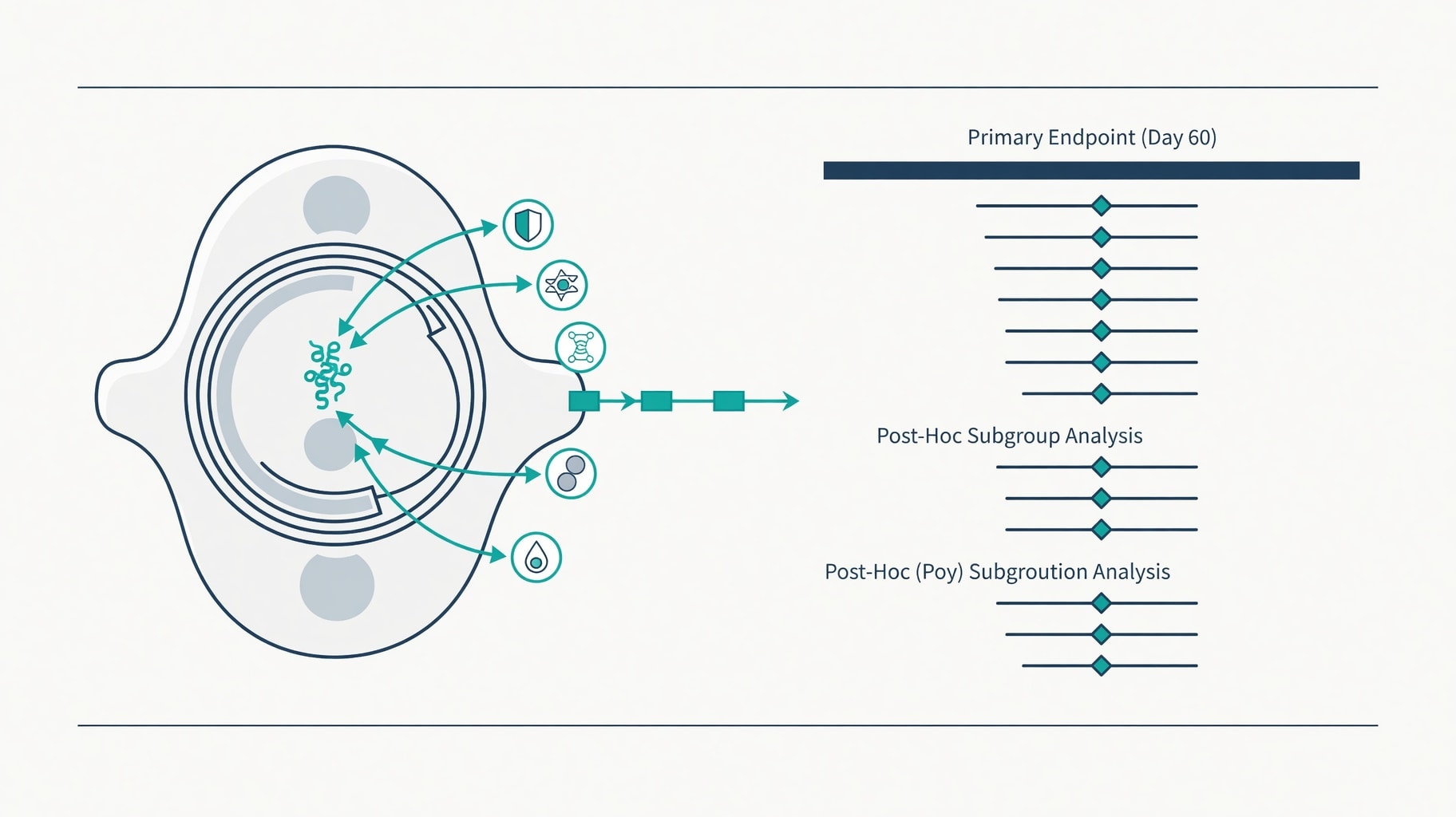
Figure 1: Divergent clinical endpoints from Phase 3 aviptadil trials versus VPAC1-mediated alveolar Type II cell signaling in ARDS.
Clinicians and researchers must now handle a gap between robust preclinical signaling models and inconsistent Phase 3 efficacy endpoints. The synthetic analog aviptadil retains FDA Orphan Drug designation for pulmonary arterial hypertension, a separate indication from acute respiratory failure. Understanding the molecule requires separating its established receptor biology from the unproven therapeutic benefit in critical care settings.
Unlike immune-modulating peptides such as selank peptide pharmacology, which targets GABAergic and immune pathways with different kinetic profiles, aviptadil’s value proposition rests entirely on pulmonary epithelial preservation.
Phase 3 Endpoints Versus Post-Hoc Recovery Signals
The definitive test of vasoactive intestinal peptide aviptadil in critical care occurred under the intense scrutiny of pandemic-era clinical research. The Phase 3 trial results published in 2022 provided a clear, albeit negative, answer regarding the primary composite endpoint. The study was powered to detect a difference in patients alive and free from respiratory failure at 60 days.
The confidence interval crossing 1.0 indicated that the observed trend toward benefit could not be distinguished from chance given the sample size and event rate. This outcome contrasts with earlier Phase 2 data that had justified the major trial design.
Regulatory bodies require prespecified endpoints to avoid the statistical pitfalls of data dredging. However, the scientific community has continued to analyze secondary and post-hoc findings to understand potential biological signals missed by the primary analysis. Pooled analyses have suggested that patients with less severe baseline hypoxemia or those treated earlier in the disease course may have derived benefit. These findings are hypothesis-generating rather than confirmatory.
They lack the statistical penalty adjustments applied to primary endpoints and cannot support labeling claims.
The TESICO trial, another randomized placebo-controlled study evaluating intravenous aviptadil and remdesivir for COVID-19-associated hypoxaemic respiratory failure, further contributed to this mixed dataset. Results indexed in PubMed regarding the TESICO trial highlight the difficulty of demonstrating efficacy in a heterogeneous ARDS population. Variability in standard of care, corticosteroid use, and ventilation strategies during the study period may have obscured treatment effects.
The inability to replicate consistent survival benefits across multiple large cohorts suggests that if a therapeutic window exists, it is narrower than initially hypothesized.
Expanded Access Protocols (EAP) provided an alternative stream of safety and efficacy data outside of randomized controls. Data from the SAMICARE protocol (NCT04453839) and other compassionate use programs often showed more favorable outcomes than RCTs. This discrepancy is common in critical care research, where EAP patients may differ systematically from trial participants or receive more intensive monitoring. Researchers must weigh these observational signals against the rigor of the negative Phase 3 primary endpoint.
The EAP data keeps the molecule in the research conversation but does not overturn the regulatory standard set by the major trial.
VPAC1-Mediated Surfactant Preservation in Alveolar Type II Cells
Despite clinical ambiguity, the pharmacological rationale for using vasoactive intestinal peptide aviptadil in lung injury remains grounded in specific cellular biology. The peptide does not act as a generic anti-inflammatory. It targets Alveolar Type II (ATII) cells, which are responsible for producing pulmonary surfactant and serving as progenitors for alveolar repair.
ATII cells express a high density of VPAC1 receptors, making them a primary target for exogenous VIP analogs, according to receptor distribution data cited by Peptide Insight.
Binding to VPAC1 on ATII cells triggers distinct downstream effects relevant to ARDS pathophysiology. Preclinical models demonstrate that this interaction upregulates surfactant production by boosting the expression of choline phosphate cytidylyl transferase. This enzyme is rate-limiting for phosphatidylcholine synthesis, the essential lipid component of pulmonary surfactant, as detailed in mechanistic reviews on ScienceDirect. Surfactant deficiency or dysfunction is a hallmark of ARDS, leading to alveolar collapse and refractory hypoxemia.
Restoring surfactant homeostasis via VPAC1 signaling offers a mechanism distinct from systemic immunosuppression.
Beyond surfactant, VPAC1 activation inhibits apoptosis and suppresses cytokine release in pulmonary epithelium. This cytoprotective effect addresses the direct epithelial injury driving respiratory failure. In vitro studies have also documented blockade of SARS-CoV-2 replication in pulmonary cells treated with VIP (Lww). While antiviral effects are mechanistically interesting, they have not translated into consistent clinical virological endpoints in human trials.
Researchers should distinguish this receptor-specific action from broader peptide mechanisms. For example, kpv peptide mechanism involves alpha-MSH fragments targeting gut barrier integrity and NF-kB inhibition, unrelated to VPAC1 surfactant pathways. Similarly, mots c peptide science focuses on mitochondrial AMPK activation rather than G-protein coupled receptor signaling in pneumocytes. Aviptadil’s specificity for VPAC1-mediated surfactant preservation remains its unique investigational angle, even if clinical validation remains incomplete.
Systemic Vasodilation and Dose-Limiting Adverse Events
The translation of VPAC1 biology into intravenous therapy faces significant pharmacokinetic barriers. Vasoactive intestinal peptide aviptadil is a potent systemic vasodilator. This property, while therapeutic for pulmonary hypertension, becomes a dose-limiting toxicity in normotensive ARDS patients. Clinical trials have consistently documented hypotension and diarrhea as the primary adverse events associated with intravenous administration.
These side effects are direct consequences of VPAC1 and VPAC2 activation in vascular smooth muscle and intestinal epithelium, as noted in dosing protocol literature.
Managing these adverse events in an ICU setting requires careful titration. Hypotension can exacerbate organ perfusion deficits in septic or critically ill patients, potentially offsetting pulmonary benefits. The therapeutic window for intravenous aviptadil in ARDS is consequently narrow. Dose escalation to achieve pulmonary surfactant effects may be limited by systemic hemodynamic tolerance. This constraint differs fundamentally from pulmonary arterial hypertension treatment, where vasodilation is the intended therapeutic outcome rather than a side effect.
Alternative delivery routes have been explored to bypass systemic toxicity. Inhalation of vasoactive intestinal peptide has been studied to maximize local lung concentrations while minimizing systemic exposure. Early studies indexed in PubMed regarding inhaled VIP suggest this route may preserve surfactant function without inducing significant hypotension. However, inhaled formulations face their own challenges regarding particle deposition, stability, and consistent dosing in ventilated patients with heterogeneous lung compliance.
Safety data from expanded access protocols indicates that adverse events were generally manageable in hospital settings. However, EAP safety monitoring often lacks the standardized adjudication of randomized trials. The incidence of clinically significant hypotension in real-world use may differ from controlled environments. Until controlled data supports a safe and effective dosing regimen for ARDS specifically, the systemic vasodilatory effects remain a primary barrier to broader clinical adoption.
The U.S. Food and Drug Administration continues to classify vasoactive intestinal peptide aviptadil as an unapproved new drug for acute respiratory indications. Its Orphan Drug designation for pulmonary arterial hypertension reflects established pharmacology in that specific vascular bed but does not extend regulatory recognition to ARDS. Future research must reconcile the confirmed VPAC1 surfactant mechanism with the unconfirmed survival benefit.
Definitive answers will likely require adaptive trial designs that enrich for populations most likely to respond to epithelial cytoprotection, rather than broad enrollment in heterogeneous respiratory failure.