Exactitude Consultancy valued the solid phase peptide synthesis equipment market at approximately $760 million in 2024. Automated synthesizers capture roughly 70 percent of that revenue, according to the firm's May 2025 segment analysis. The projection reaches $1.2 billion by 2034 at a compound annual growth rate of 5.1 percent. Exactitude Consultancy
The concentration of revenue in automated systems has direct consequences for procurement decisions at outsourcing facilities. A facility that selects manual glassware operates under a different capital structure than one that deploys automated batch reactors. That choice influences scale, throughput, and the statutory framework under which the active pharmaceutical ingredient is manufactured.
Manual Synthesis Baselines
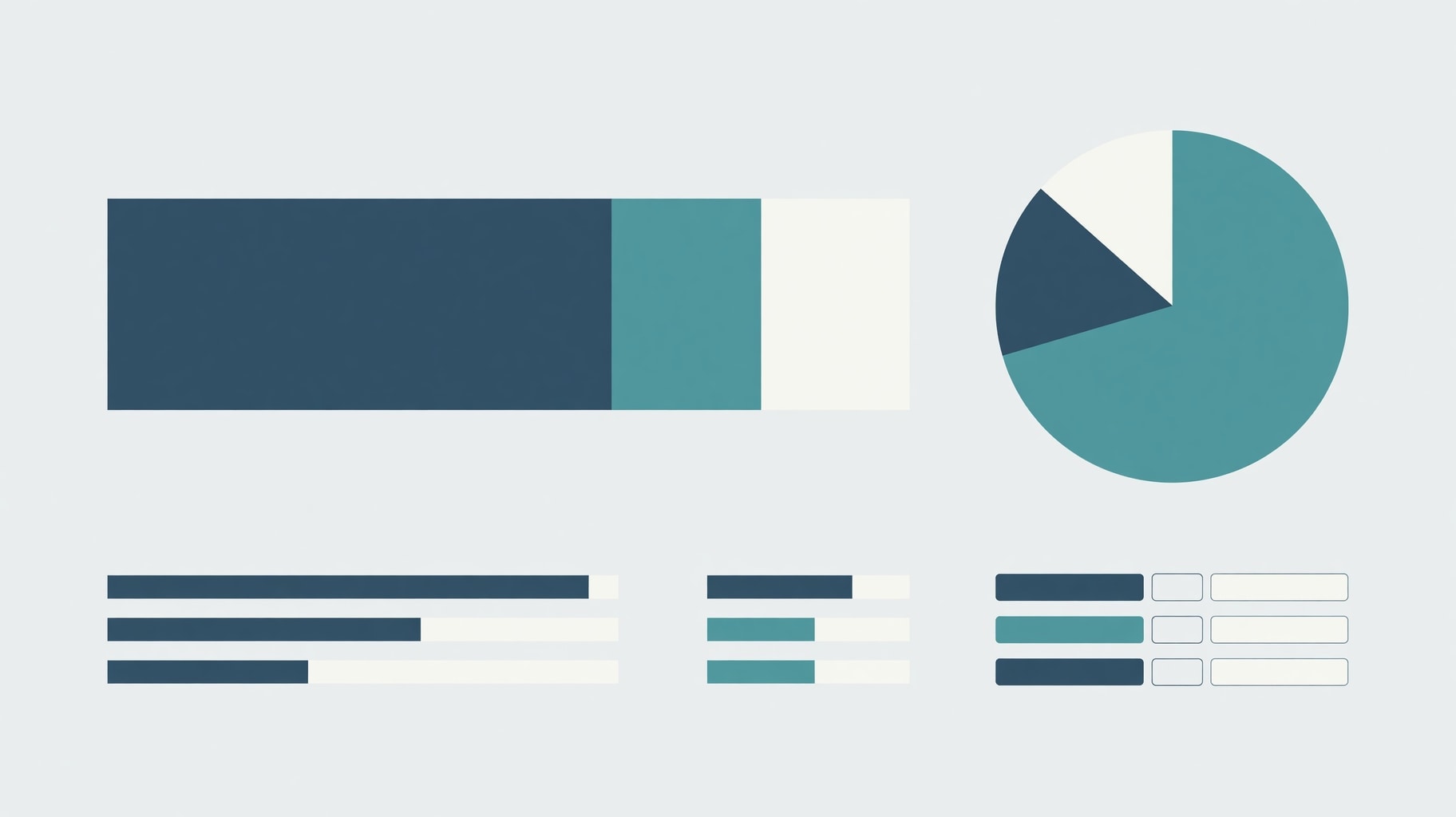
Figure 1: Market share breakdown and capital cost categories for automated versus manual solid phase peptide synthesis equipment.
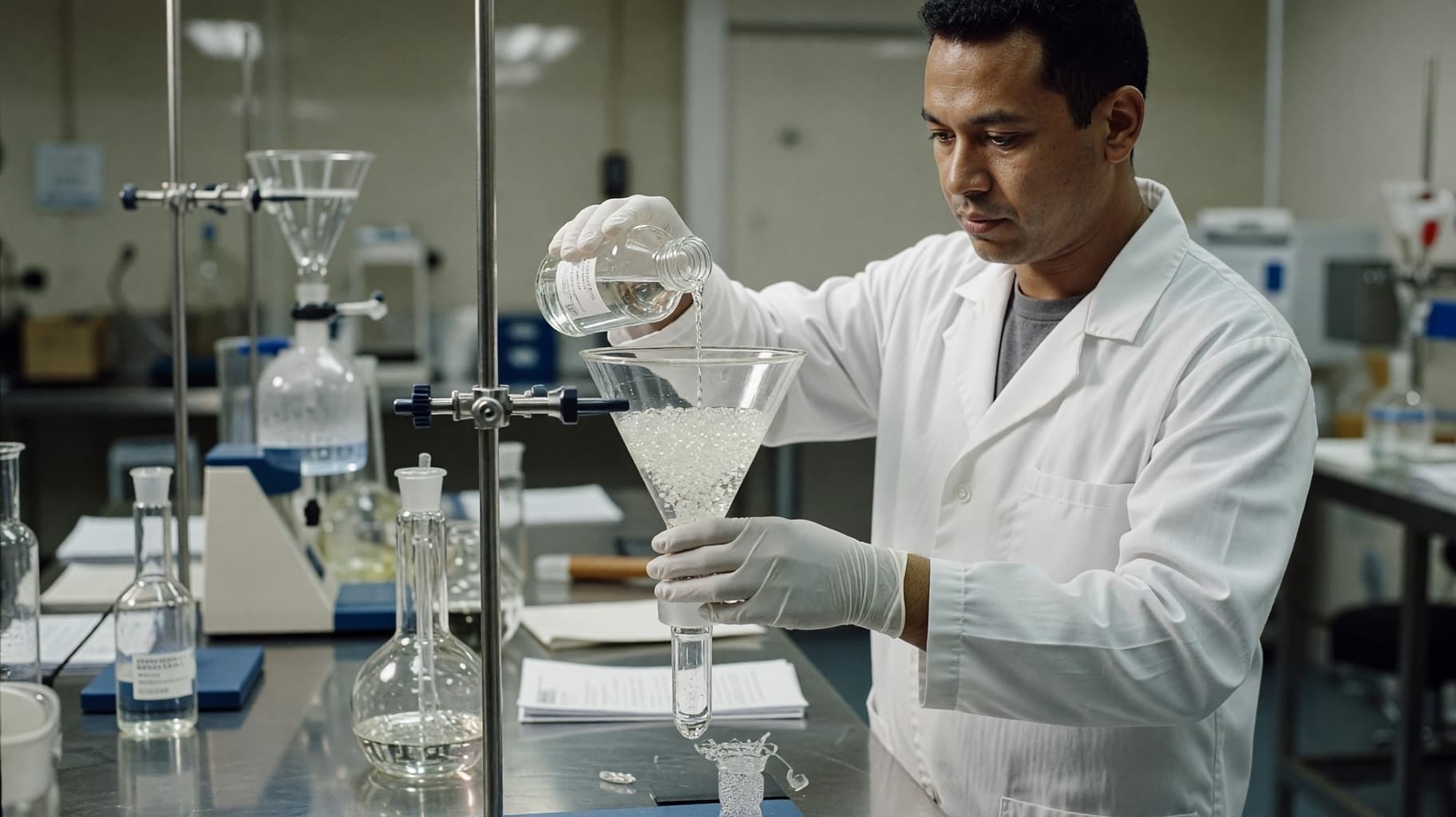
Manual solid phase peptide synthesis requires only a sintered glass funnel as the minimum hardware baseline, according to a methods paper indexed in PubMed. The three basic steps remain consistent across automated and manual approaches: attachment of the first amino acid to a resin, successive carbodiimide couplings, and cleavage with deblocking. PubMed
Earlier apparatus records describe a round-bottom flask rocked on a wrist shaker with a fritted filter disc embedded inside the vessel. Solvents are removed through the fritted disc without transferring the resin. The design eliminates vessel opening during synthesis, which reduces mechanical loss. PubMed
Standard laboratory glassware used for manual solid phase peptide synthesis must be treated with a silylating agent to prevent resin adhesion to glass surfaces. Specialized manual reactors incorporate glass frits for filtering and washing without transfer, plus ports for adding reaction solutions under inert gas. Orbital shakers, wrist-action shakers, or overhead mechanical stirrers provide agitation. Peptide.com
Automated Batch and Flow Classifications
Automated synthesizers divide into three documented categories: batch, continuous flow, and library systems. Batch synthesizers prepare fewer peptides at once but operate at larger scale, with some designs reaching kilogram capacity. Library synthesizers run parallel small-scale reactions; the AAPPTec Apex 396 prepares up to 96 individual peptides simultaneously, and the Matrix 384 prepares up to 384. Peptide.com
Continuous flow systems pack solid media into a variable bed flow reactor while reagents pass through once. Vapourtec's variable bed flow reactor adjusts volume automatically as resin swells during coupling and contracts during Fmoc deprotection. The manufacturer documents scales from 50 µmol to 30 mmol across its synthesizer range, with pilot-scale instruments claiming synthesis times under one day. Vapourtec
Flow chemistry changes the capital calculation for custom peptide synthesis. Trade forum records identify PeptiSystems' PeptiPilot as a compact automated flow-through system supporting up to 12 mmol with reduced solvent consumption. Forum participants name Biotage, AAPPTEC, and Chemglass Life Sciences as alternatives to Büchi for 10L to 20L vessels. These are discovery records from practitioner discussions, not verified manufacturer quotations. Chemistry Forum
Procurement Liability and Cost Thresholds
Chemglass Life Sciences publishes retail pricing for solid phase peptide synthesis vessels with medium or coarse porosity fritted glass resin supports. The 10 mL vessel lists at $202.00. The 500 mL vessel with a coarse frit lists at $381.15. The same catalog lists solid PTFE caps from $3.60 to $6.90 and a 2mm PTFE plug at $23.05. Chemglass Life Sciences
These catalog rates reflect retail single-unit pricing. Institutional procurement contracts, volume discounts, and custom vessel specifications alter the actual capital outlay. The catalog also lists vessels with Luer fittings starting at $254.20 and T-bore PTFE stopcock vessels starting at $256.55, which indicates that hardware configuration, not just vessel volume, drives cost. Chemglass Life Sciences
The cost gap between manual glassware and automated systems is substantial. A complete manual setup with vessels, caps, plugs, and a shaker remains under several thousand dollars. Automated synthesizers represent a different capital tier, with manufacturer-specific pricing typically requiring direct quotation. The market data do not provide retail automated system pricing in this source set, which limits direct cost comparison.
Supply Chain Implications
The equipment classification matters for cross-border manufacturing. North America held an estimated 48.59 percent share of the peptide synthesis market in 2025, according to Precedence Research figures cited in trade reporting. CordenPharma announced a three-year EUR 900 million investment in mid-2024 explicitly tied to GLP-1 active pharmaceutical ingredient demand. The Clinton Courier
Hardware selection determines whether a facility operates under research protocols or 503B outsourcing standards for active pharmaceutical ingredient production. A facility using manual sintered glass funnels operates below the throughput of one running automated batch reactors. The Food and Drug Administration evaluates manufacturing decisions against current good manufacturing practice requirements, and the equipment category is part of that record.
The market projections from Exactitude Consultancy are proprietary estimates without independent statutory validation. This page does not establish FDA enforcement discretion determinations or final agency rulings on specific hardware. Facilities evaluating equipment for active pharmaceutical ingredient manufacturing should obtain current agency guidance directly rather than relying on market segmentation data.