
The U.S. Food and Drug Administration approved daxibotulinumtoxinA in 2022 to treat moderate to severe glabellar lines associated with hyperactive contractions of the corrugator supercilii and procerus muscle. The approval marked the first therapeutic protein-based modality containing a cell-penetrating peptide as a delivery agent as reported by Doi. That administrative decision translated a documented biological mechanism into enforceable regulatory precedent.
Cell-penetrating peptides transport therapeutic cargo across cell membranes through endocytic and non-endocytic pathways. Readers unfamiliar with the underlying peptide structure can start there, while our guide to what peptides are covers the broader category. The exact mechanism of cellular uptake remains uncertain. Mechanistic reviews document both pathways without establishing a single statutory mechanism. The daxibotulinumtoxinA approval provides the administrative record that translates these biological pathways into an enforceable regulatory threshold. This page compares that administrative precedent against the documented mechanistic evidence to establish a reference baseline for the regulatory evaluation of CPP-based active pharmaceutical ingredients.
Regulatory Precedent for CPP-Based Active Pharmaceutical Ingredients
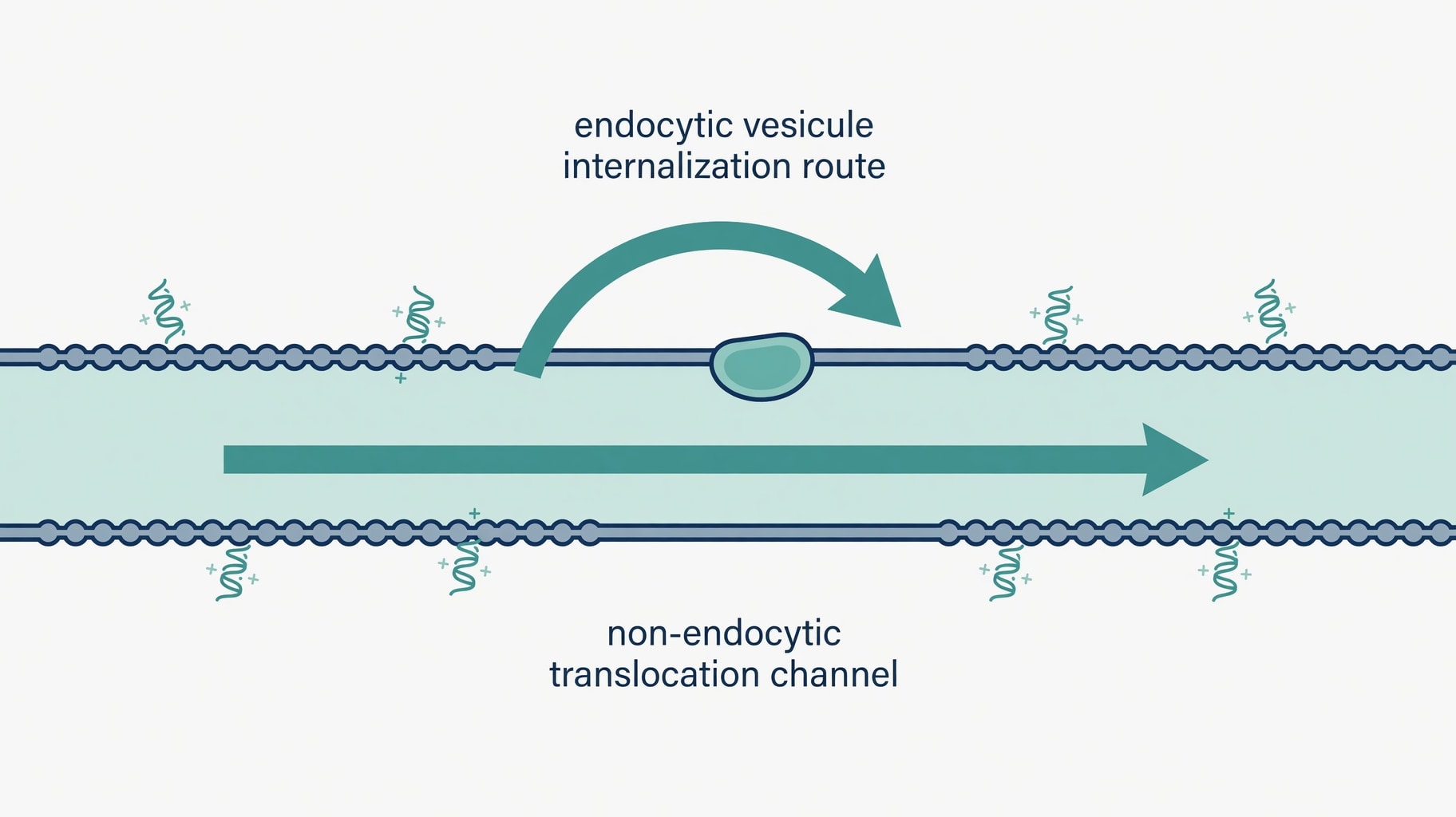
Figure 1: Schematic of endocytic and non-endocytic uptake pathways utilized by cell-penetrating peptides.
The daxibotulinumtoxinA approval establishes a specific administrative precedent. The highly positively charged peptide in the formulation adopts a polyproline type II helix conformation in solution and binds noncovalently to the anionic surfaces of the neurotoxin. This binding prevents surface adsorption and aggregation while increasing presynaptic binding and cellular uptake as reported by Doi. No other approved protein-based drug is designed to bind a cytosolic or nuclear target as its primary pharmacological mechanism as reported by Doi.
This distinction defines the current regulatory threshold. The FDA evaluated and approved a CPP functioning as a delivery agent at the extracellular surface. The approval does not establish precedent for intracellular target binding. Developers formulating an active pharmaceutical ingredient that relies on cytosolic or nuclear delivery must build a separate evidentiary record.
For regulatory affairs professionals evaluating these delivery systems against other bioactive peptides, the distinction is administrative. The daxibotulinumtoxinA record binds the mechanism of action to a defined extracellular delivery function. That definition determines the scope of the safety and efficacy review required for subsequent filings.
Documented Membrane Translocation Pathways
Cell-penetrating peptides facilitate intracellular transfer through both endocytic and non-endocytic pathways. The exact mechanism of cellular uptake and the subsequent intracellular processing of these peptides remain uncertain as reported by Frontiersin. The administrative approval of daxibotulinumtoxinA proceeded despite this unresolved mechanistic question.
The Frontiers in Pharmacology record documents the biological reality regulators evaluate. CPPs demonstrate improved endosomal escape efficiency, selective cell targeting, and improved uptake, processing, and presentation of antigen by antigen-presenting cells as reported by Frontiersin. Both endocytic and non-endocytic pathways produce these outcomes in documented in vitro and in vivo investigations as reported by Frontiersin.
The regulatory consequence of dual pathways is a broader evidentiary burden. A sponsor cannot submit a single mechanism of action to satisfy agency review if the peptide utilizes multiple uptake routes depending on the formulation context. The administrative record for daxibotulinumtoxinA resolved this burden for its specific extracellular application. It does not resolve it for other peptide configurations.
Evidentiary Limitations in Mechanism Verification
The gap between documented pathways and verified mechanisms determines the filing requirements for new CPP conjugates. Preclinical studies and clinical trials using CPPs for improved delivery reveal diagnostic and therapeutic potential, but they do not eliminate the mechanistic uncertainty required for final agency determinations as reported by Frontiersin.
This uncertainty dictates the structure of the preclinical dossier. Developers must document the specific pathway utilized by their conjugate under the conditions of intended use. The biological potential documented in clinical trials translates into regulatory liability if the mechanism of uptake alters the toxicity profile of the cargo as reported by Frontiersin.
The evidentiary boundary is precise. The Frontiers in Pharmacology reviews document what CPPs achieve. The FDA approval of daxibotulinumtoxinA documents what one specific CPP achieved under agency review. Sponsors must bridge that gap with conjugate-specific data. Computational prediction models lack regulatory standing in this context. The administrative record requires demonstrated biological pathways.
Formulation and Administrative Consequences
The daxibotulinumtoxinA precedent isolates the CPP as an excipient-like delivery agent rather than the primary pharmacological actor. This classification dictates the manufacturing and filing requirements under current FDA frameworks.
The distinction matters for downstream clinical applications. Facilities providing iv therapy peptide hormone clinic services administer compounds governed by separate compounding or approval pathways. A CPP used as a delivery vector in an approved biologic operates under a different statutory threshold than a compounded peptide preparation. The mechanism of translocation does not alter the administrative classification of the final product.
Regulatory evaluation of cell-penetrating peptides requires comparing two distinct records. The FDA approval of daxibotulinumtoxinA establishes the administrative precedent for a CPP functioning as an extracellular delivery agent. The mechanistic reviews establish the biological pathways that justify that approval while leaving the exact uptake mechanism unresolved. Sponsors filing subsequent active pharmaceutical ingredients must address both records.
They must demonstrate that their specific conjugate functions within the documented pathways and satisfies the evidentiary standard set by the 2022 approval. No broader market or regulatory exemption exists beyond that specific administrative determination.