
Samsung Biologics published its formal tender offer prospectus for Swiss peptide contract manufacturer PolyPeptide Group on August 31, 2026, valuing the target at approximately CHF 1.46 billion with a 40 percent premium to the pre-speculation share price, according to a sector intelligence report from Biotech Research.
The prospectus opened a mandatory ten-day cooling-off on the SIX Swiss Exchange, with the main acceptance window expected to run from September 15 to October 12, 2026. The all-cash bid arrives weeks after CordenPharma completed its acquisition of US-headquartered AmbioPharm on August 3, adding facilities in South Carolina and Shanghai to its global peptide network.
Together, the two transactions mark a sharp acceleration in consolidation among specialist peptide contract development and manufacturing organizations. Demand from GLP-1 peptide programs is pushing buyers to acquire manufacturing capacity instead of waiting years to build it.
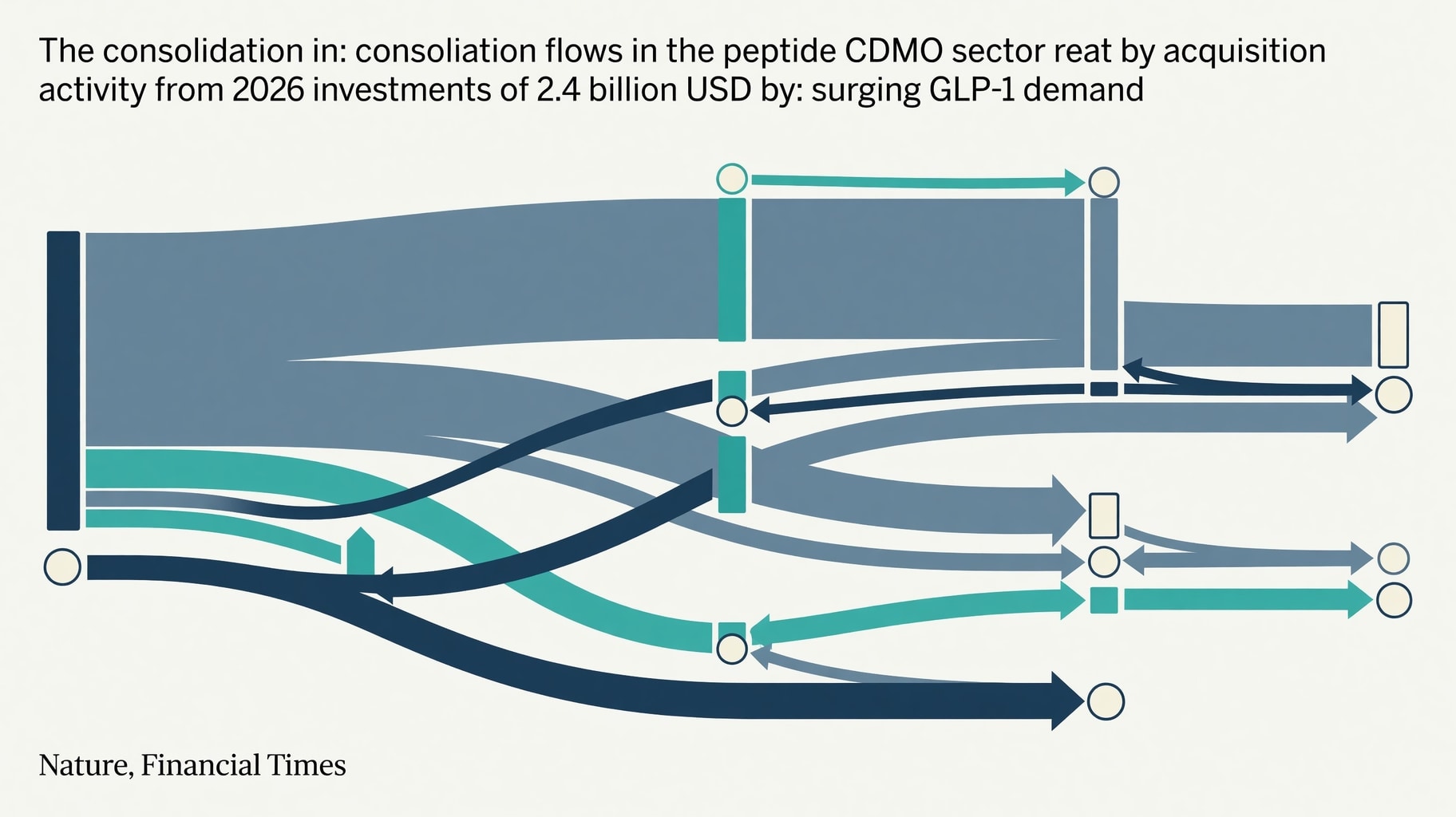
Figure 1: Sankey diagram of 2026 peptide CDMO consolidation flows driven by GLP-1 manufacturing demand.
Peptide CDMO announced investments crossed USD 2.4 billion year-to-date in 2026, driven by GLP-1 demand and a broadening pipeline of therapeutic peptides, the same Biotech Research report shows. Yet lead times for large-scale solid phase peptide synthesis capacity remain 18 to 36 months. Direct-to-consumer telehealth campaigns can promise GLP-1 access in a weekend. The manufacturing base behind those prescriptions cannot move that fast.
Financial terms of the CordenPharma and AmbioPharm deal were not disclosed publicly. But the strategic logic is documented. Excessive concentration of peptide API supply in Asia-Pacific has created supply chain risk that North American and European sponsors now treat as unacceptable, according to the Biotech Research analysis. Both transactions add capacity in multiple jurisdictions simultaneously, a geographic diversification play that reduces dependence on any single region.
What remains unresolved is whether Samsung Biologics reaches the two-thirds shareholder acceptance threshold required under Swiss takeover law. PolyPeptide's largest shareholder has committed to tendering a 55.65 percent stake, and the board has recommended the offer, per the same source. But the prospectus publication is a regulatory step, not a closed deal. The transaction is expected to close toward the end of 2026, subject to shareholder acceptance and regulatory approvals.
The consolidation wave carries implications beyond corporate balance sheets. Every peptide CDMO absorbed into a larger platform narrows the number of independent suppliers for GLP-1 active pharmaceutical ingredients and other therapeutic peptides. For telehealth operators and compounding pharmacies that built consumer uptake around flexible supply chains, that narrowing changes the negotiating position of everyone downstream. The marketing claims move fast. The manufacturing consolidates on its own clock.
Samsung Biologics has not disclosed how the PolyPeptide tender will affect existing PolyPeptide client contracts or whether current peptide production volumes will shift to Samsung's existing facilities. That disclosure gap matters for sponsors with active development programs. The prospectus publication documents the bid. The operational consequences will take longer to surface.
Developers pursuing multi-receptor incretin drugs will compete for the same specialized synthesis and purification capacity now consolidating around a smaller group of manufacturers.