
Eli Lilly is fighting two different legal battles over retatrutide. One targets companies selling an unapproved version of the medicine today. The other asks how the Food and Drug Administration should classify Lilly's product if it eventually reaches the market.
On August 12, Lilly announced six federal lawsuits against businesses it accuses of selling products labeled as retatrutide. The company also said it had referred more than 200 people and organizations to federal and state authorities, according to its lawsuit announcement.
Retatrutide is still investigational. Lilly says it is being studied in Phase 3 trials and has not been approved by any regulator. The company explicitly warns consumers that products claiming to contain retatrutide outside a Lilly-sponsored clinical trial are not its medicine, a point repeated on Lilly's retatrutide information page.
The unauthorized market has nevertheless grown around the weight-loss drug before approval. Axios reported on sales through telehealth providers and online vendors, creating an enforcement problem while the legitimate product remains in clinical development.
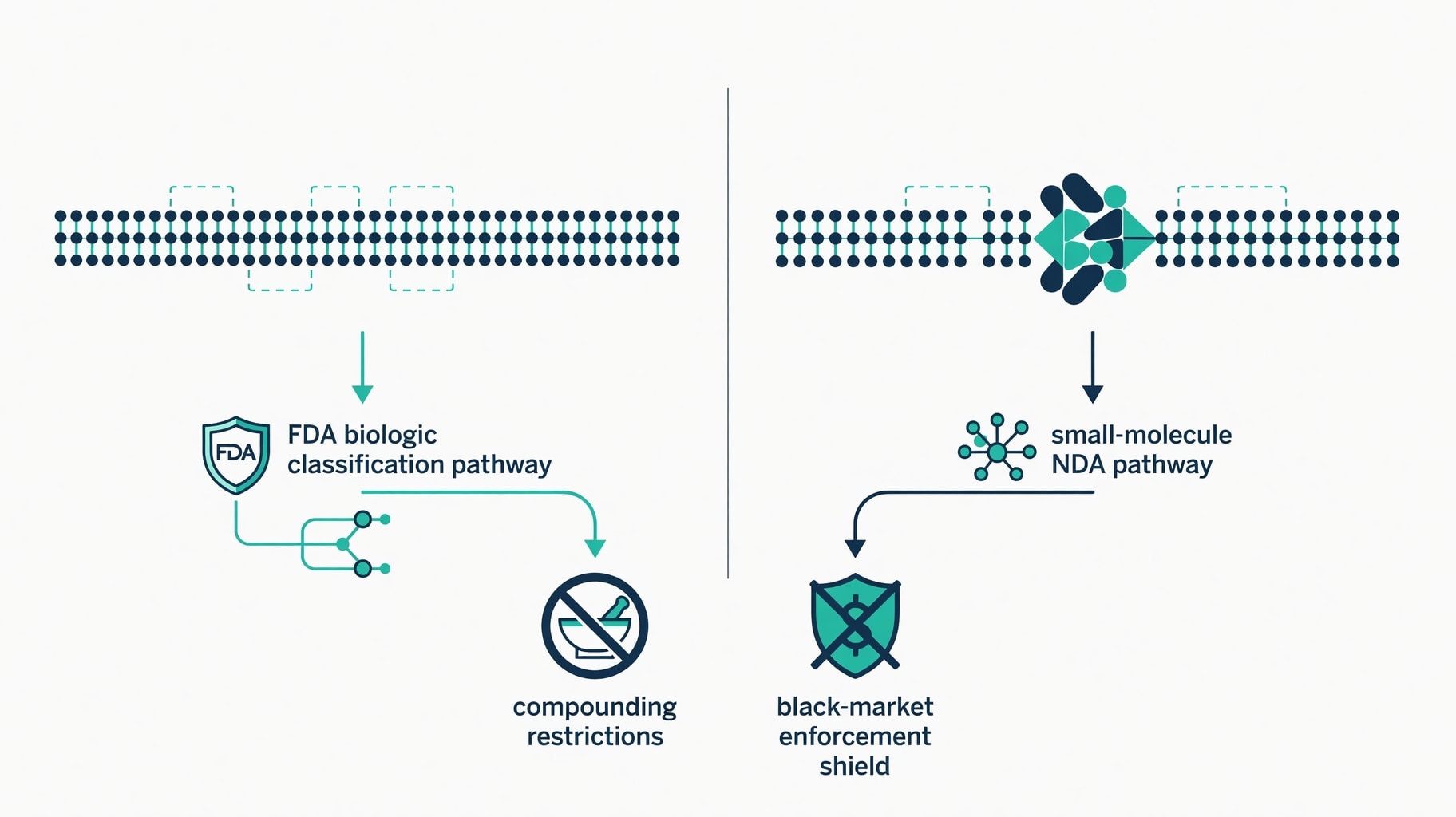
Figure 1: Current seller enforcement and the classification case address different legal questions.
Why the residue count became a court case
The classification dispute turns on the legal definition of a protein. Retatrutide has a 39-alpha-amino-acid backbone plus a gamma-glutamate linker and an amino-dioxo-octanoic acid group. Lilly counts 41 amino acids in total. FDA's March 2024 decision counted 40 alpha amino acids and one non-alpha amino acid, then classified retatrutide as a drug rather than a biological product.
Those details come from the federal court's published opinion in Eli Lilly v. Kennedy, not from marketing material or social-media commentary.
The district court upheld FDA's conclusion that retatrutide did not meet the agency's protein definition. It separately rejected part of the agency's reasoning about whether the molecule was “analogous” to a protein and sent that issue back to FDA. Lilly appealed the protein-definition portion in February 2026, according to an analysis by the Food and Drug Law Institute.
That means no appellate court has ordered FDA to treat retatrutide as a biologic. It also means the case is not a ruling on whether retatrutide is safe, effective or ready for approval.
What the lawsuits do, and do not, decide
The six seller cases address alleged conduct in the existing market. Lilly says the defendants marketed unapproved products and used “research use only” language while selling to consumers. The classification appeal concerns the statutory pathway for Lilly's own product.
Keeping those tracks separate avoids a tempting but unsupported conclusion. The appeal may affect future regulatory and competition questions, but the available court record does not establish that its outcome will permanently bar every form of compounding or guarantee Lilly a particular period of exclusivity. Those consequences depend on more than the amino-acid count.
For readers, the immediate point is simpler. A product advertised online as retatrutide is not an approved substitute for Lilly's investigational drug. Our multi-receptor incretin comparison explains how retatrutide differs from approved GLP-1 medicines, while our report on FDA warning letters to retatrutide sellers tracks the separate federal enforcement response.
Lilly's litigation campaign can disrupt current sellers. Its FDA appeal can clarify how the agency applies an unusually technical definition. Neither action, by itself, puts retatrutide on pharmacy shelves.