
Hospital pharmacists quarantining inventory on Sept. 3, 2026, confronted a supply shortage in emergency injectable drugs after American Regent initiated a voluntary nationwide recall of three lots of Epinephrine Injection, USP 30 mg/30 mL (1 mg/mL) due to cracked vials and identified foreign material American Regent.
The recall followed customer complaints of leaking and cracked multi-dose vials that compromised sterility assurance and introduced nylon, cellulosic, acrylic, polyethylene, and glass particulates into the solution American Regent. The affected lots, numbered 25128L1C0, 25280L1C0, and 26108L1C0, were distributed nationwide between Dec. 16, 2025, and April 17, 2026 American Regent.
This action removes hospital-grade multi-dose vials from clinical access rather than consumer auto-injectors. Staff in emergency departments and inpatient wards draw repeated doses from these 30 mL containers to treat anaphylaxis or raise arterial blood pressure in adults with septic shock. A single defective multi-dose vial exposes multiple patients to foreign material before the defect registers during preparation.
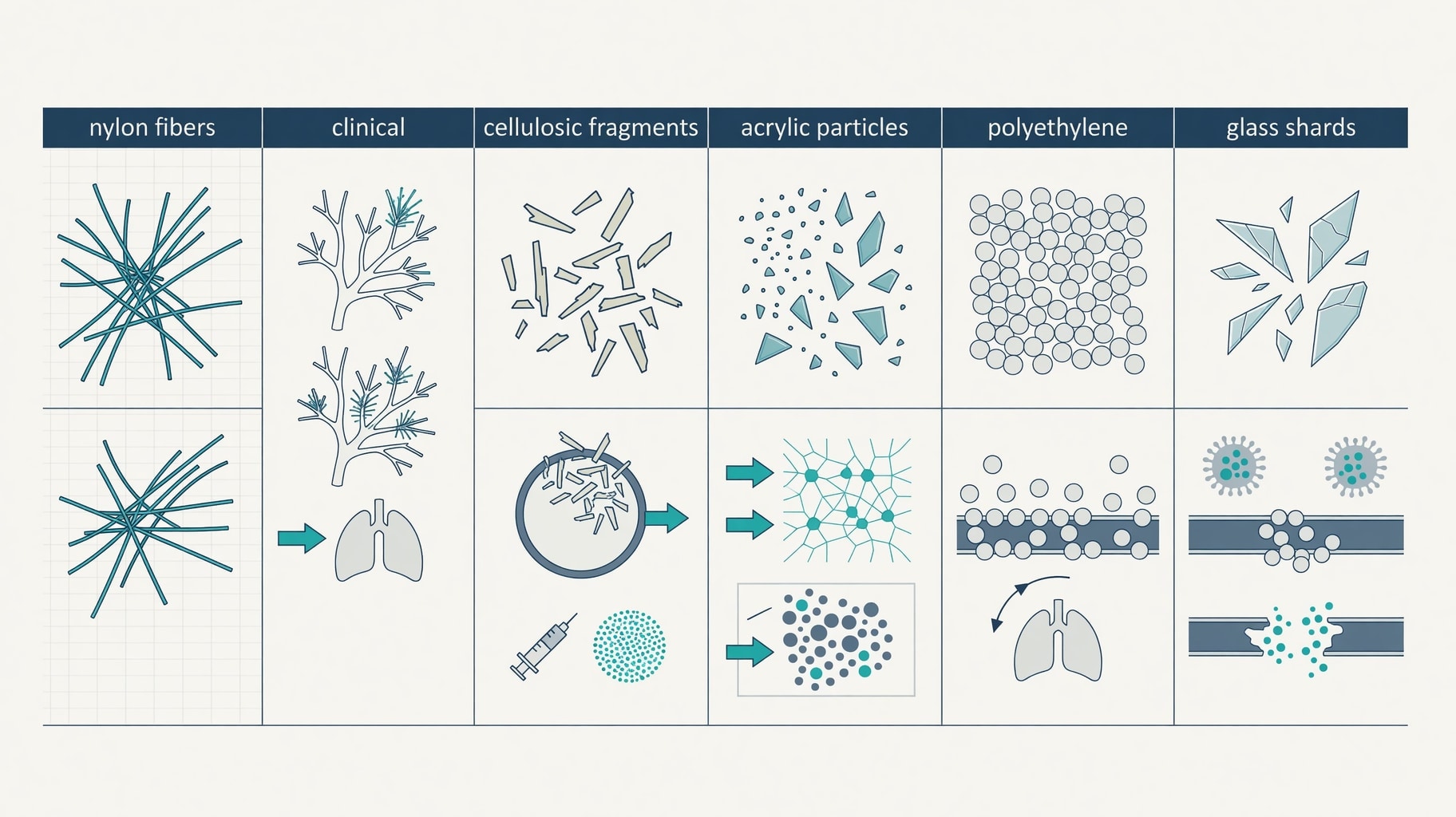
Figure 1: Distinct particulate matter types identified in the American Regent epinephrine recall and their specific clinical risks in emergency injectables.
That exposure dynamic separates this manufacturing failure from the risks associated with single-use devices or unregulated compounding alternative preparations.
Particulate Composition and Vascular Risk
The manufacturer investigation identified five distinct materials inside the solution: nylon, cellulosic, acrylic, polyethylene, and glass American Regent. These materials present distinct physical hazards during intravenous administration. Glass fragments are rigid. Nylon and polyethylene are polymer-based materials. Cellulosic and acrylic particles introduce further foreign material into the vascular system.
The recall notice states that particulate matter can cause blockage and clotting in blood vessels Gizmodo. The documented clinical consequences of intravenous particulate exposure include the potential to cut off blood flow to vital organs, trigger a pulmonary embolism, or cause organ damage Gizmodo. Particles may also cause local vein irritation, inflammatory reactions, aggravation of preexisting infections, and allergic responses Gizmodo.
The cracked containers create a parallel clinical hazard. A compromised seal removes any assurance of sterility, introducing a pathway for microbial contamination that is absent in an intact vial American Regent.
Adverse Event Reporting and Inventory Response
American Regent reported no adverse events related to the recall as of the Sept. 3 announcement date American Regent. The absence of documented harm reflects the reporting window rather than a confirmed safety profile for the recalled lots.
The company is notifying distributors and customers by letter to arrange return or replacement of the vials Gizmodo. Clinical safety officers should isolate stock carrying NDC 0517-3030-01 and the three specific lot numbers. Two of the three recalled lots have passed or approached their expiration dates, which limits the volume of active stock remaining in hospital inventory Medical Daily.
The physical container failure documented here occurred within a regulated manufacturing environment. That origin differs from the hazards traced to unregulated peptide supply chains. Recent reporting documented how seven Victorians were hospitalized as doctors link counterfeit peptide batch to liver damage following exposure to materials lacking clinical sterility controls.
Regulatory agencies have also moved to restrict unapproved access, as seen when australia's tga cracks down on influencer-driven peptide sales after finding deadly contam in unregulated products.
American Regent has not identified a root cause for the vial cracking or the introduction of the specific particulate materials. The recalled lots remain subject to return procedures while the manufacturer investigates the origin of the nylon, glass, and polymer fragments found in the solution.
Related reporting explores pet owners inject dogs with 'wolverine stack' as fda panel vote fuels uncertainty.