
Kris Jenner is not simply a celebrity customer of Omi Hair Growth Peptides. She owns a financial stake in the company whose gummies she promotes.
Jenner disclosed the relationship while describing her daily use of the supplement, according to reports from the Daily Mail, Hola and Yahoo Entertainment. She said she began taking two gummies a day and later became a stakeholder because she believed the product improved the strength and appearance of her hair.
That financial disclosure matters. It changes how readers should weigh what might otherwise look like a personal recommendation. Jenner has a commercial interest in the brand's success.
The announcement followed renewed attention around Jenner's facelift, reportedly performed by New York plastic surgeon Dr. Steven M. Levine. The surgery and the supplement are separate stories. Omi is marketed for hair growth, not surgical recovery, and neither the company nor Jenner has presented the gummies as part of a facelift procedure.
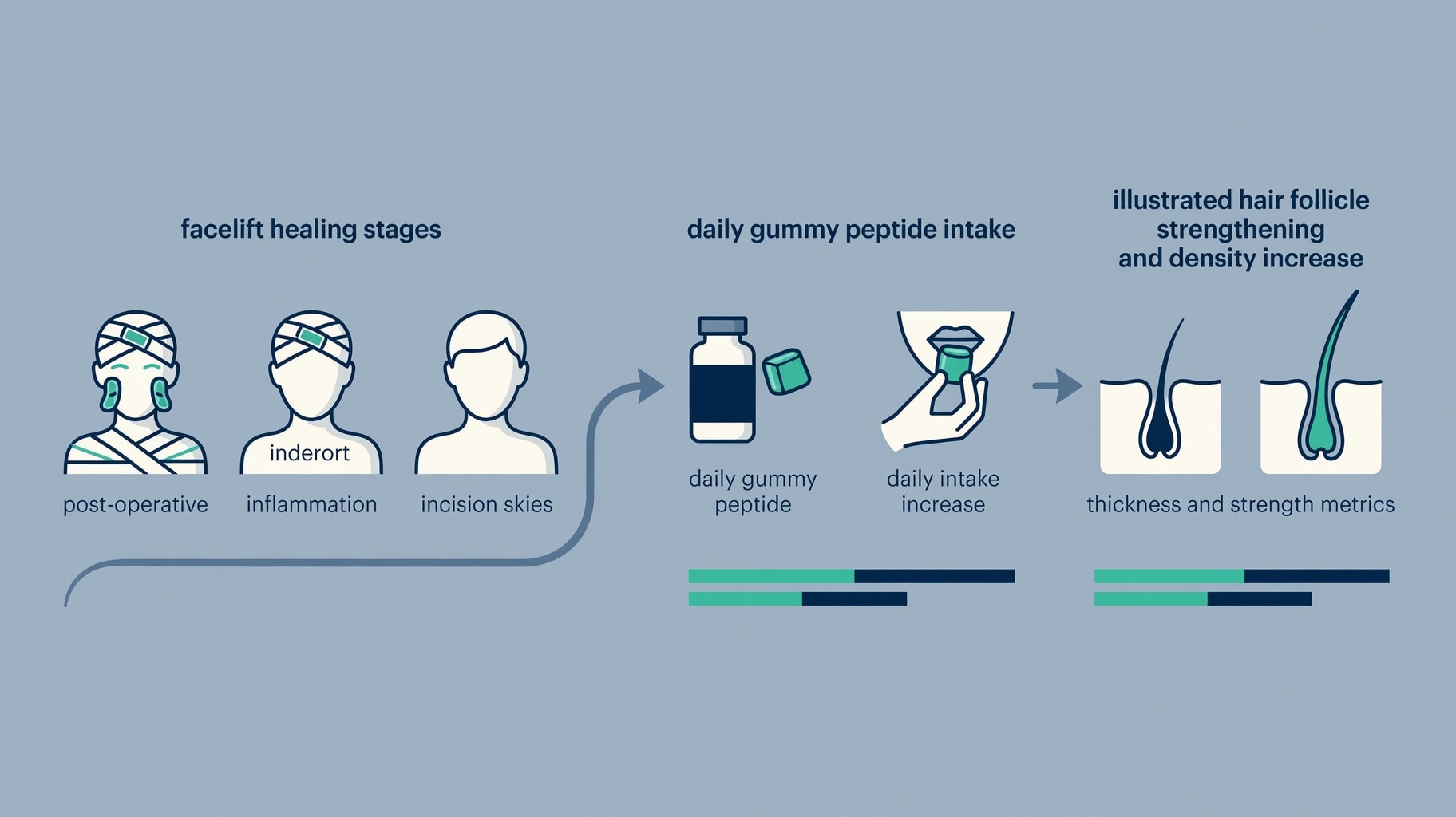
Figure 1: The cosmetic procedure and the hair-supplement endorsement involve different claims.
What Omi actually claims
Omi's own Kris Jenner product page presents before-and-after scalp measurements and promotes a reduction in hair shedding. Those figures come from the company selling the product. The page does not link readers to a peer-reviewed clinical paper that independently tests the finished gummy in a large, controlled trial.
The same page carries the standard supplement disclaimer: its statements have not been evaluated by the Food and Drug Administration, and the product is not intended to diagnose, treat, cure or prevent disease. That does not prove the gummies are ineffective. It does define the evidence boundary around the marketing.
The word “peptide” can also blur several very different product categories. A swallowed supplement is not interchangeable with an injectable prescription peptide or an experimental compound sold for research use. Digestion, dose, formulation and the target tissue all affect what a product can plausibly do. Our guide to what peptides are explains those distinctions.
A testimonial with a business interest
Jenner's role fits a wider shift in celebrity wellness marketing. Public figures increasingly promote products while also holding equity, turning an endorsement into both advertising and investment. The audience may hear an account of personal results, but the recommendation is not financially neutral.
That is also why this story differs from coverage of Dana White's peptide regimen or the broader celebrity peptide boom. The news is not merely that Jenner says she takes a peptide-branded supplement. It is that she confirmed ownership while making the claim.
Several useful details remain undisclosed. Public reporting does not state the size or value of Jenner's stake. It does not establish whether she invested cash, received equity as part of an endorsement agreement or holds another form of commercial interest. Nor does it provide an independently published trial that lets readers verify the brand's headline performance figures.
Consumers deciding whether to buy the product therefore have two different things to assess: Jenner's reported experience and Omi's substantiation for its claims. The first is a testimonial. The second requires evidence that can be examined independently.