
Pegmolesatide appears by name in U.S. Anti-Doping Agency guidance for the 2026 World Anti-Doping Agency Prohibited List. The precise wording matters: USADA describes it as a new example of an EPO-mimetic agent, not as a substance that was permitted in 2025 and newly banned in 2026.
USADA's official 2026 list advisory places pegmolesatide under S2, Peptide Hormones, Growth Factors, Related Substances and Mimetics. That class is prohibited at all times. The list is also non-exhaustive, so a substance does not need to appear by name before the broader class can cover it.
This corrects a common shorthand circulating in sports and peptide coverage. Calling pegmolesatide “the only new banned peptide” suggests WADA changed its status from allowed to prohibited. USADA says the sole item that actually moved from permitted to prohibited for 2026 was the withdrawal of blood or blood components under the M1 blood-manipulation rules. Pegmolesatide was newly identified as an example within an existing banned category.
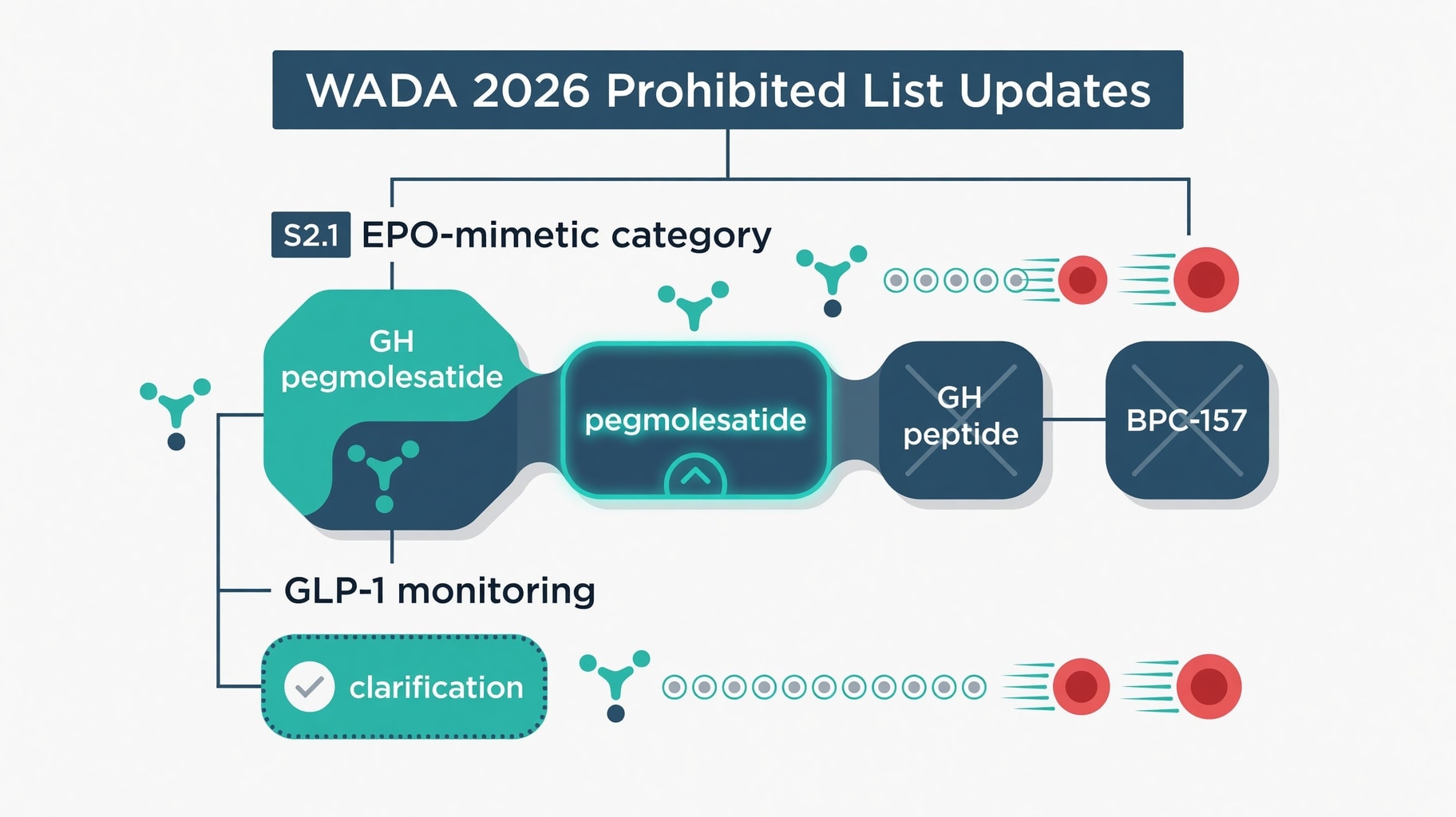
Figure 1: Naming a substance inside an existing class is not the same as creating a new prohibition.
Why pegmolesatide sits in S2
EPO and agents that mimic its effects can stimulate red-blood-cell production, which may increase oxygen-carrying capacity. Anti-doping rules therefore cover erythropoietin-receptor agonists and other erythropoiesis-stimulating agents under S2.1.
The practical lesson for athletes is not to treat the named list as a complete shopping checklist. USADA's advisory emphasizes strict liability: athletes are responsible for prohibited substances found in their samples, regardless of how a clinic, supplement seller or online vendor described the product.
That risk extends beyond pegmolesatide. Growth-hormone-releasing factors and secretagogues are covered elsewhere in S2, while BPC-157 falls under the S0 non-approved-substances category. Our anti-doping peptide guide organizes those categories and explains why checking a brand name alone is not enough.
GLP-1 monitoring is not a ban
The 2026 WADA Monitoring Program creates a separate source of confusion. Its official monitoring document includes markers of semaglutide and tirzepatide use both in and out of competition.
WADA uses the monitoring program to observe patterns involving substances that are not on the Prohibited List. Monitoring therefore does not make semaglutide or tirzepatide banned. It allows anti-doping authorities to collect prevalence data and assess possible misuse before deciding whether a future rule change is warranted.
That distinction is central to our separate report on WADA's GLP-1 monitoring. Pegmolesatide is named inside a prohibited EPO-mimetic class. The two GLP-1 medicines are being watched through a program for substances that are not prohibited.
What competitors should verify
An athlete should check the current list, the exact active ingredient and the rules of the governing body before using any peptide-related product. A “research use only” label offers no anti-doping protection. Nor does a prescription automatically establish that a Therapeutic Use Exemption applies.
The 2026 update is narrower than some headlines imply, but it is not trivial. Naming pegmolesatide gives athletes and support personnel a concrete example of what the EPO-mimetic category covers. The broader rule, however, was already there.