
Online promotional material advertised peptide tasting, music, and networking for tech workers in Bengaluru, India. Upsurge Labs LLP scheduled the invite-only gathering for August 29, 2026, in the Koramangala neighborhood. The marketing pitch promised a social environment built around muscle building, weight loss, and anti-aging. State regulators stopped the event before attendees arrived.
The Karnataka Food Safety and Drug Administration intervened after reviewing the promotional posts. Officials demanded that Upsurge Labs LLP produce manufacturer records, dosing protocols, composition data, and regulatory approval for every peptide preparation planned for the gathering. The organizers canceled the party after the inquiry began The Hindu.
The cancellation shows what happens when an online wellness pitch moves into a physical venue. Organizers framed the gathering as education and networking. Doctors questioned the promotion of compounds with limited human evidence and warned against unsupervised peptide stacking India Today.
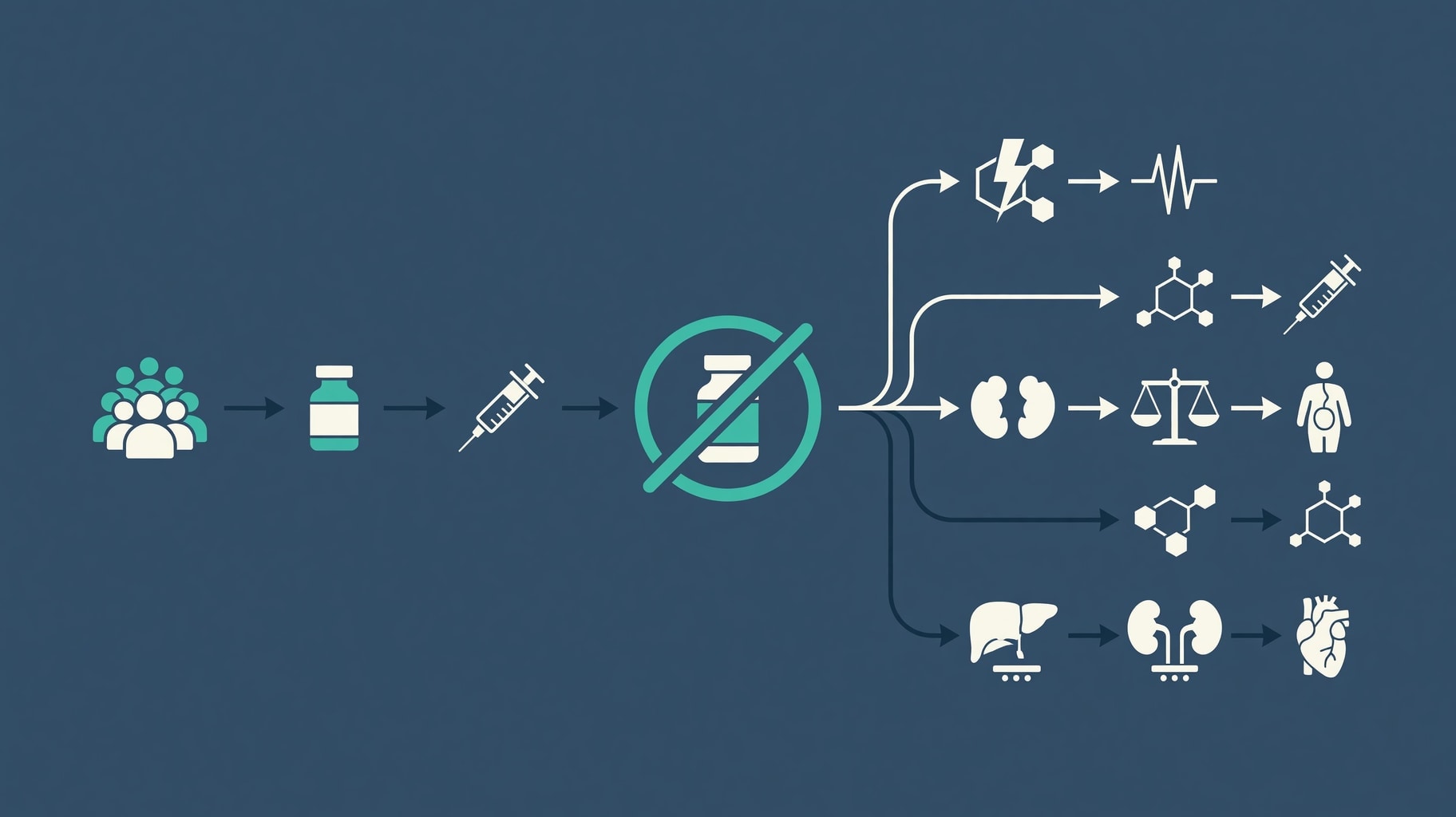
Figure 1: Regulatory shutdown of Bengaluru peptide tasting event and associated unsupervised administration risks.
Consumer uptake of peptides in tech hubs follows a familiar pattern. A telehealth pipeline or a sponsored disclosure introduces a compound. The marketing claim promises longevity. The pharmacological reality involves short chains of amino acids that lack approved clinical protocols for the advertised recreational use. The Bengaluru intervention demonstrates what happens when digital promotion generates physical demand without a corresponding safety infrastructure.
A Deccan Herald segment examined this specific consumer behavior among information technology workers in the city, where individuals gather to administer peptides for purposes like muscle building, weight loss, and anti-aging, raising serious safety concerns surrounding the recreational use of these substances Deccan Herald.
India Today reported that the invitation drew more than 200 registrations before the scheduled date. The organizers had not identified which preparations a “peptide tasting” would include. That missing detail left doctors and regulators unable to assess the proposed products, route of administration, or safety controls before the gathering.
Combining compounds or following influencer dosing advice adds another layer of uncertainty. Human studies have not established the safety of popular stacks such as BPC-157 with TB-500. A group setting can also blur responsibility for screening, storage, administration, and emergency care.
Global pharmaceutical executives are tracking the divergence between clinical peptide applications and consumer biohacking. Novo Nordisk leadership has publicly expressed skepticism about the broader wellness peptide craze as unapproved compounds circulate outside clinical trials. Regulatory agencies worldwide face the challenge of policing aesthetic medicine claims that migrate into social settings.
The United States faces a related debate over which experimental compounds pharmacies may prepare. Readers comparing those categories can start with the guide to FDA-approved and experimental peptide therapies.
The Karnataka action concerned one gathering, and public reporting has not identified the preparations planned for the Koramangala event. That narrow record supports a narrow conclusion: regulators stopped organizers from turning peptide promotion into an in-person tasting before they supplied the requested product and safety information.