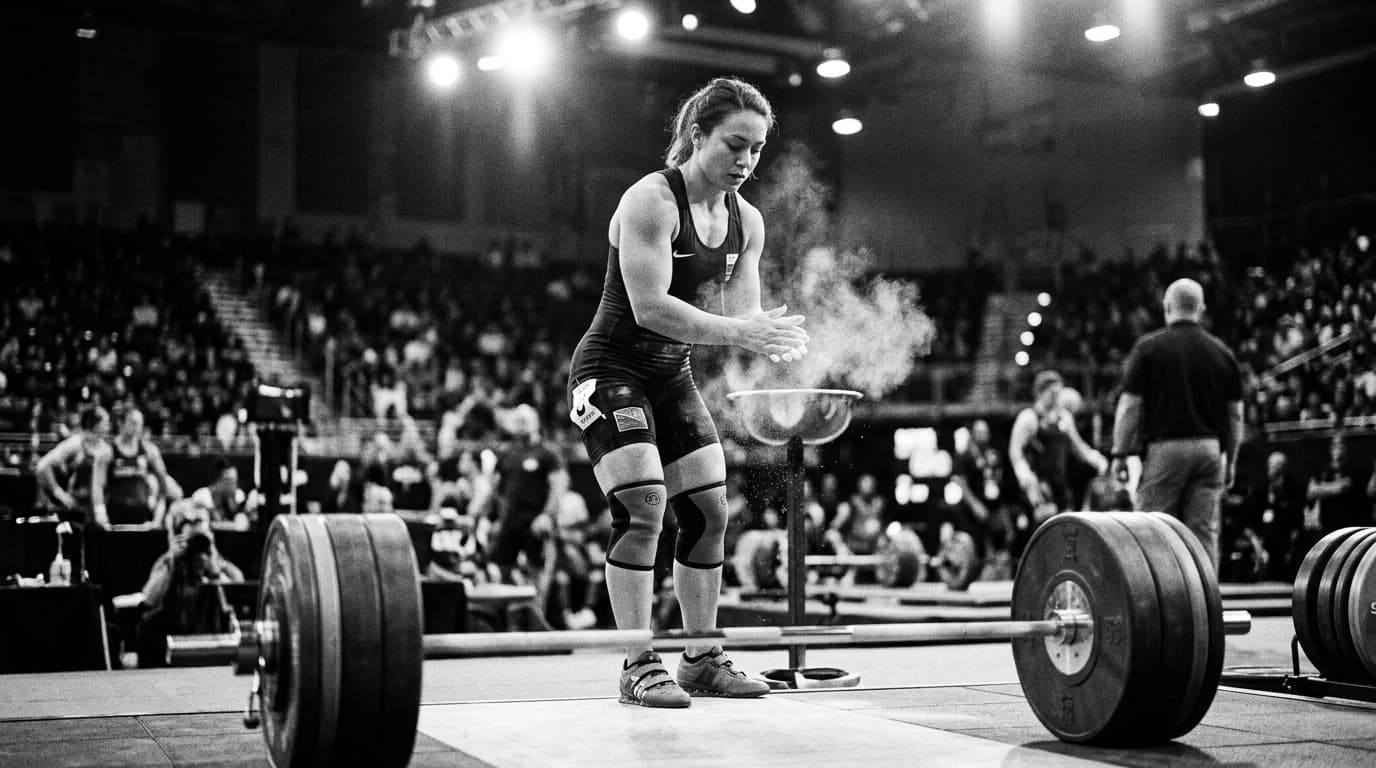
Masters weightlifter Jara MacDermott accepted a two-year period of ineligibility on August 20, 2026, after testing positive for canrenone, amphetamine, and testosterone metabolites at the United Masters Weightlifting Federation World Championships. USADA investigators determined she used the prohibited substances at a physician’s direction but lacked a valid Therapeutic Use Exemption, as documented in earlier reporting. This finding reduced her default four-year sanction to two years while maintaining strict liability for the anti-doping rule violation.
The case exposes the regulatory friction between wellness medicine and competitive sport. Medical supervision without a TUE provides mitigation rather than exoneration under current anti-doping codes. MacDermott’s provisional suspension began December 23, 2025, and her eligibility will not resume until December 22, 2027. USADA simultaneously disqualified all her competitive results dating to June 1, 2018, when investigators determined her testosterone use began, as reported by EssentiallySports.
Retroactive Disqualification and Lost Titles
The retroactive invalidation erases MacDermott’s peak competitive achievements. She finished 2025 as the W50/59 Masters National Champion with a 138 kg total at the same UMWF World Championships where her sample tested positive. That year she also earned recognition as one of 17 USA Weightlifting Masters Triple Crown winners by placing first in her category at required national events.
These forfeited titles demonstrate how anti-doping enforcement in masters sport targets personal milestones achieved later in life rather than professional careers.
MacDermott must forfeit all medals, points, and prizes associated with results obtained after June 1, 2018. The seven-year disqualification period exceeds her two-year forward-looking ban, extending consequences far beyond her return-to-competition date. This disparity reflects USADA’s application of continuous violation timelines when substance use is documented over multiple years.
Enforcement Context Beyond Individual Cases
MacDermott’s sanction landed eight days after USADA published a targeted warning about BPC-157 entering wellness and anti-aging treatments. That advisory reinforced the peptide’s S0 prohibited status under the WADA banned substances framework, regardless of whether compounds arrive through compounding pharmacies, research chemical vendors, or clinical prescriptions. The timing signals regulators tracking experimental substances migrating from digital forums to medical aesthetics.
Recent FDA advisory committee recommendations for six peptides to receive potential compounding eligibility address pharmacy regulations, not athletic compliance. BPC-157 and similar compounds remain unapproved drugs under federal law and S0 prohibited substances under WADA rules. USADA guidance states these peptides lack approval for human clinical use and may lead to negative health effects.
The agency has not indicated whether MacDermott’s prescribing physician faces disciplinary review. The sanction record identifies only the athlete as the responsible party under strict liability principles. Her ineligibility period runs through December 22, 2027, barring participation in any capacity with USADA-signatory organizations.
Related reporting explores usada suspends weightlifter for peptide use, igniting 'peptide ban' debate in elite sports, and ultrarunner mike mcknight's bpc-157 admission forces anti-doping reckoning in endurance ra.