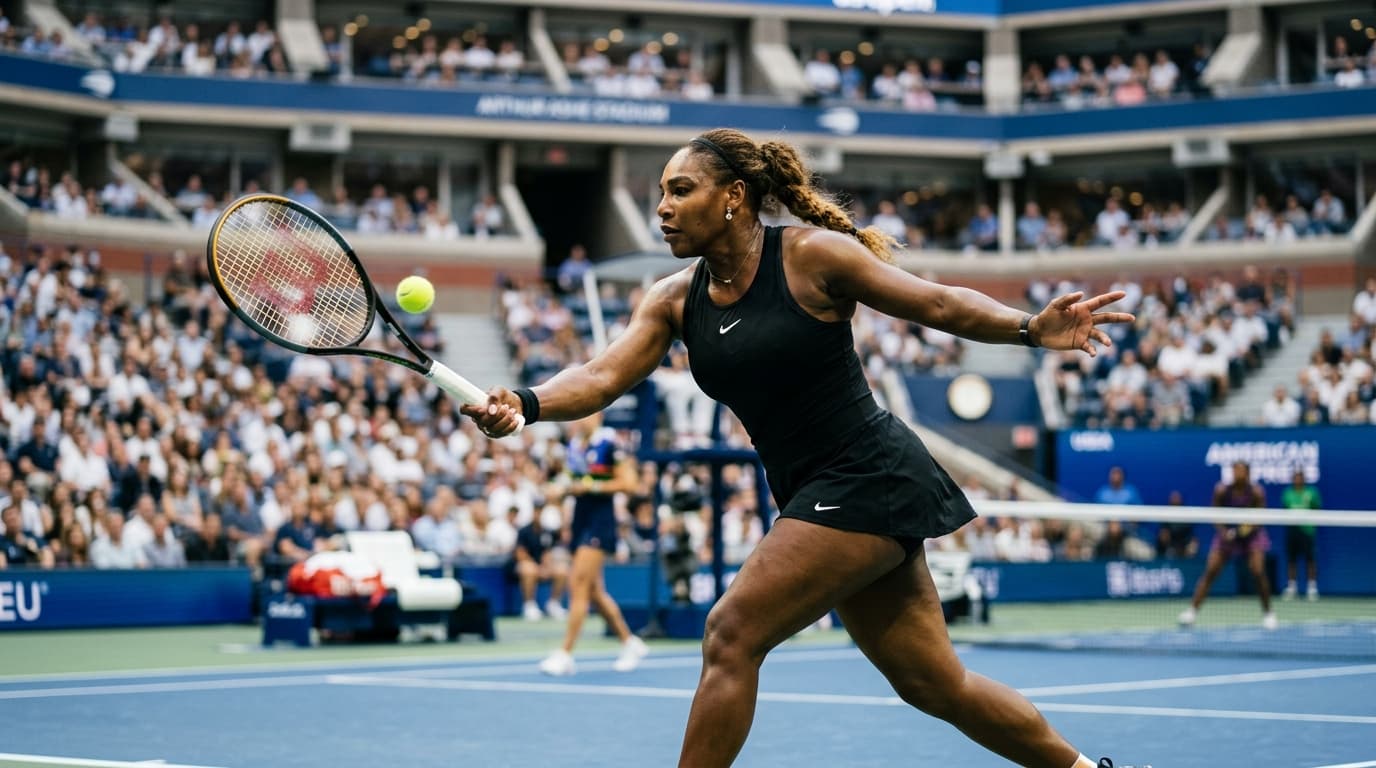
On August 22, 2026, Serena Williams and Carlos Alcaraz accepted a wild card entry into the U.S. Open mixed doubles tournament, confirming a competitive return that brings a combined 46 Grand Slam titles to Flushing Meadows as reported by The Athletic. The partnership marks Williams’ first appearance at the event since 2022 and follows Alcaraz’s four-month absence due to a wrist injury.
While online performance communities frequently attribute such late-career returns to advanced recovery stacks, the verified record establishes only the administrative entry and historical credentials, maintaining a strict evidentiary boundary between confirmed competition data and unverified wellness speculation.
Verified Entry Details and Tournament Context
The U.S. Open restructured its mixed doubles format to feature high-profile singles stars, transforming an event previously played before sparse crowds into a marquee attraction. Williams and Alcaraz represent the second megastar duo announced for this revamped draw, joining other top-ranked players in a field designed to maximize viewership as reported by The Athletic.
Tournament organizers had held three wild cards for the mixed doubles field, with officials awaiting confirmation of the pair's fitness levels before finalizing the administrative acceptance. Venus Williams accepted one spot earlier in the week, while the final singles wild card ultimately went to Sofia Kenin, confirming Serena Williams' competitive focus remains restricted to the doubles court following a knee injury sustained during her Wimbledon comeback in June.
Alcaraz announced his return from a right wrist injury that had sidelined him since April. He wore a compression sleeve during warmups and double-faulted on the opening point of their first match, acknowledging visible nervousness about partnering a six-time U.S. Open champion. Despite the rust, the pair won their opening match before losing in the quarterfinals to Belinda Bencic and Flavio Cobolli on August 26.
Williams and her sister Venus also competed in women’s doubles, receiving a separate wild card entry confirmed later in the week.
Evidence Boundaries Around Recovery Claims
Digital performance communities frequently attribute elite athletic longevity to specific peptide stacks or experimental recovery protocols. These discussions often reference compounds like BPC-157 or TB-500 as potential enablers of tendon healing and accelerated rehabilitation. However, no such substances appear in The Athletic’s reporting on this wild card acceptance. The source record provides zero medical documentation, training logs, or physician statements regarding either athlete’s recovery regimen.
This evidentiary gap mirrors broader enforcement tensions in elite sport where community-adopted substances often outpace regulatory frameworks. Ultrarunner Mike McKnight's BPC-157 admission forces anti-doping reckoning in endurance ra after he publicly acknowledged using the compound, highlighting the divergence between forum consensus and prohibited lists. Similarly, USADA suspends weightlifter for peptide use, igniting 'peptide ban' debate in elite sports when a positive test triggered sanctions despite claims of therapeutic intent.
These cases demonstrate that anti-doping bodies evaluate substances based on codified rules rather than anecdotal recovery claims or online prevalence.
Social media signals, including videos from wellness practitioners discussing tennis recovery, do not constitute verified evidence of athlete protocols. Such content reflects community interest rather than documented medical practice. this matters because conflating speculation with verified fact can mislead readers about both athletic performance and substance safety. Williams’ return at 44 is documented; the mechanisms enabling it are not.
The verified record now closes with match results and entry confirmations, and any claims about specific recovery stacks or medical interventions enabling this return remain absent from the approved source set.
Related reporting explores peptides for tendon ligament healing, and bpc 157 stable arginate vs acetate.
Additional source documentation and reporting referenced from Primary source documentation and Brave Answer source 5.