
A correct molecular mass observed via mass spectrometry does not prove that a peptide sample is sufficiently pure or quantitatively reliable. This distinction establishes that identity and purity are separate analytical requirements, and treating them as interchangeable leads to experimental error. In peptide testing, relying on a single metric for quality assurance is analytically insufficient; robust validation requires independent methods for sequence confirmation and impurity profiling. The Creative Peptides analytical framework explicitly categorizes these metrics, noting that while mass-based methods verify the main component matches the intended construct, they do not address hidden or co-eluting impurities. Conversely, high-performance liquid chromatography (HPLC) purity reflects the relative proportion of the main peak but does not equal the net peptide amount by weight. For laboratory managers and research scientists, this means that a Certificate of Analysis (COA) must contain both identity and purity data to be considered complete.
Peptide testing serves as the primary mechanism for verifying the chemical integrity of synthetic sequences before they enter a research workflow. By integrating high-resolution mass spectrometry for sequence confirmation with reversed-phase HPLC for impurity profiling, laboratories can distinguish between a correctly synthesized peptide and a sample containing deleterious byproducts. However, these standard assays have specific boundaries: they confirm the presence and relative abundance of the target molecule but do not inherently quantify the absolute mass fraction of the peptide once counterions and residual moisture are accounted for. Understanding these limitations is essential for interpreting batch-specific data and maintaining reproducibility in sensitive biochemical studies.
Identity and Purity: Distinct Analytical Objectives
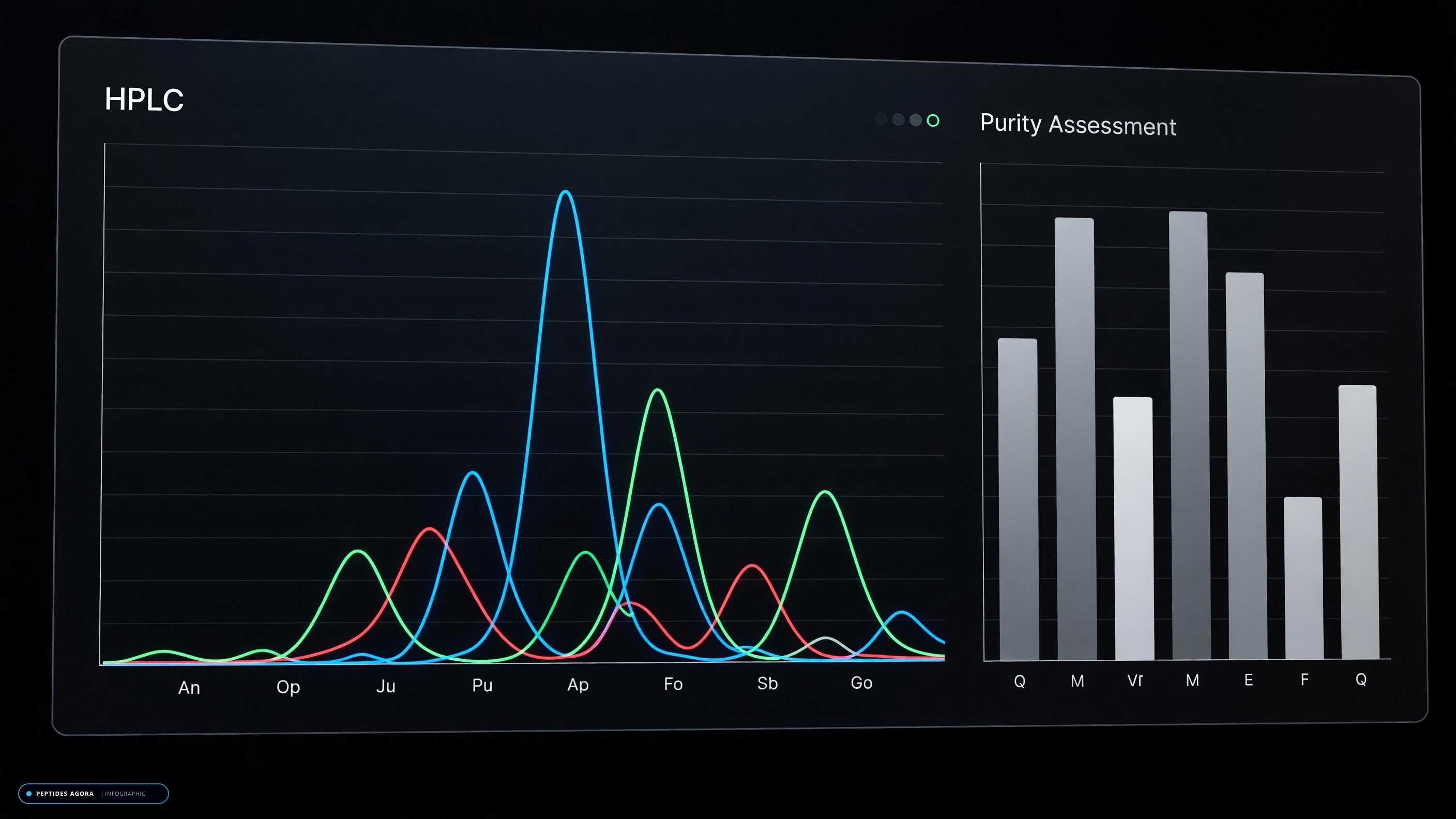
Figure 1: Biomedical laboratory assay and analytical documentation.
Identity verification determines whether the target component matches the expected peptide mass and sequence. Mass spectrometry is the standard method for this purpose, utilizing either liquid chromatography-mass spectrometry (LC-MS) or matrix-assisted laser desorption/ionization time-of-flight (MALDI-TOF) spectrometry. According to Creative Peptides, these methods provide the observed molecular weight, major ion pattern, and retention behavior to verify that the main sample component aligns with the intended synthetic construct. The USP reference standards report further outlines that identity testing often includes nuclear magnetic resonance (NMR) to confirm structural features and amino acid analysis to distinguish between structurally similar amino acids like isoleucine and leucine.
Purity profiling addresses a different risk: the presence of hidden or co-eluting related impurities. Reversed-phase HPLC (RP-HPLC) or ultra-performance liquid chromatography (UPLC) separates the target peptide from byproducts based on hydrophobicity. The readout is typically the main peak area relative to the total area of all UV-absorbing components. Biosynth notes that RP-HPLC and electro spray ionization mass spectrometry (ESI-MS) are the most common methods to determine purity and confirm identity. Peptide purity is defined as the relative percentage of the target sequence compared to the sum of all UV-absorbing components, explicitly excluding non-absorbing substances like water and residual salts.
A critical error in interpretation is assuming that high HPLC purity guarantees the absence of all contaminants. The PS Peptides guide warns that if a COA contains only HPLC data, the certificate provides quantitative purity but no identity verification. If only mass spectrometry data is present, identity is confirmed, but the purity percentage is not documented. Both are required for full quality assurance. This dual-verification process is particularly important when evaluating custom peptide synthesis products, where sequence errors are a primary manufacturing risk.
The Content Gap: Chromatographic Purity vs. Absolute Mass
The most significant gap in standard peptide testing is the distinction between purity and net peptide content. HPLC purity measures the relative abundance of the target peptide among UV-absorbing species, but it does not measure the actual mass of the peptide in the vial. A sample can have high HPLC purity but contain a lower percentage of actual peptide mass due to the presence of water, acetic acid, trifluoroacetic acid (TFA), or other non-peptide counterions.
To bridge this gap, laboratories use quantitative amino acid analysis (AAA) or elemental analysis to determine net peptide content (NPC). Biosynth explains that NPC is measured using these methods to account for water, counterions, and residual solvents. The Creative Peptides table highlights that quantifying peptide load is necessary to improve dosing accuracy and cross-lot interpretability, as concentration errors caused by moisture or counterions are a major project risk.
Weighing a lyophilized cake on a general-purpose scale is not a valid way to confirm peptide content. The PeakForm guide states that small masses, static, moisture uptake, counterions, and container tare uncertainty can all overwhelm the measurement. Proper content claims require controlled filling records and analytical support. For researchers working with high purity research peptides, ignoring the difference between purity and content can lead to significant dosing errors in experiments where concentration must be precise.
This distinction is also relevant when investigating grey market peptides, where documentation is often sparse or nonexistent. In such cases, the absence of net peptide content data means that the researcher cannot verify the actual amount of active material in the vial, relying instead on the purity percentage, which overstates the peptide mass.
Traceability and the Certificate of Analysis
The Certificate of Analysis is the primary document linking a physical sample to verifiable analytical testing. A batch-specific COA ties the label to the analytical run, allowing researchers to connect the physical product with its corresponding analytical information. The Peptide Researches guide emphasizes that COAs support informed decision-making by providing documented evidence about the materials entering a study. They allow researchers to compare purity, peptide content, or identity confirmation across multiple lots before selecting one for a study.
A complete COA should identify the compound, its sequence, the lot or batch number, the manufacturing or analysis date, each test method, the specification limit, the measured result, and the identity of the testing laboratory. Your Health Magazine notes that if any of these elements are missing, the document cannot be verified. The Peptides Lab UK states that the most credible COAs are issued by independent accredited analytical laboratories, as third-party testing removes the conflict of interest inherent in a supplier testing their own product.
Third-party validation provides independent evidence for defined attributes such as purity or observed mass. The Verified Peptides discussion highlights that top-tier labs often report peptide purity well above 95%, frequently reaching the 98% to 99% range, using state-of-the-art HPLC and MS analyses. However, even independent testing does not remove all uncertainty. The PeakForm guide advises that the goal is to build a practical evidence picture around identity, purity, content, stability, and supplier transparency, rather than to find one perfect number.
Analytical data describes a material at the moment it was tested, not at the moment it arrives. Stability testing, including matched HPLC with LC-MS and targeted follow-up tests, can detect degradation during storage or stress. The Creative Peptides workflow includes solubility and stability testing to check for poor dissolution, precipitation, or low recovery. For long-term projects, batch consistency is essential; when a team reorders the same peptide months later, they need comparable purity, identity, and concentration to maintain data integrity.
The analytical limits of peptide testing do not stop at chemical characterization. These assays do not guarantee biological efficacy or long-term stability in solution. They confirm the chemical identity and relative purity of the synthetic sequence, but the biological activity of the peptide depends on factors such as folding, aggregation, and receptor binding, which are not captured by HPLC or MS. Researchers must interpret COAs within the context of their specific experimental needs, recognizing that a clean chromatogram and correct mass are necessary but not sufficient conditions for successful biological application. The next step for any laboratory is to define which analytical attributes are non-negotiable for their specific workflow and to request batch-specific data that addresses those exact criteria.